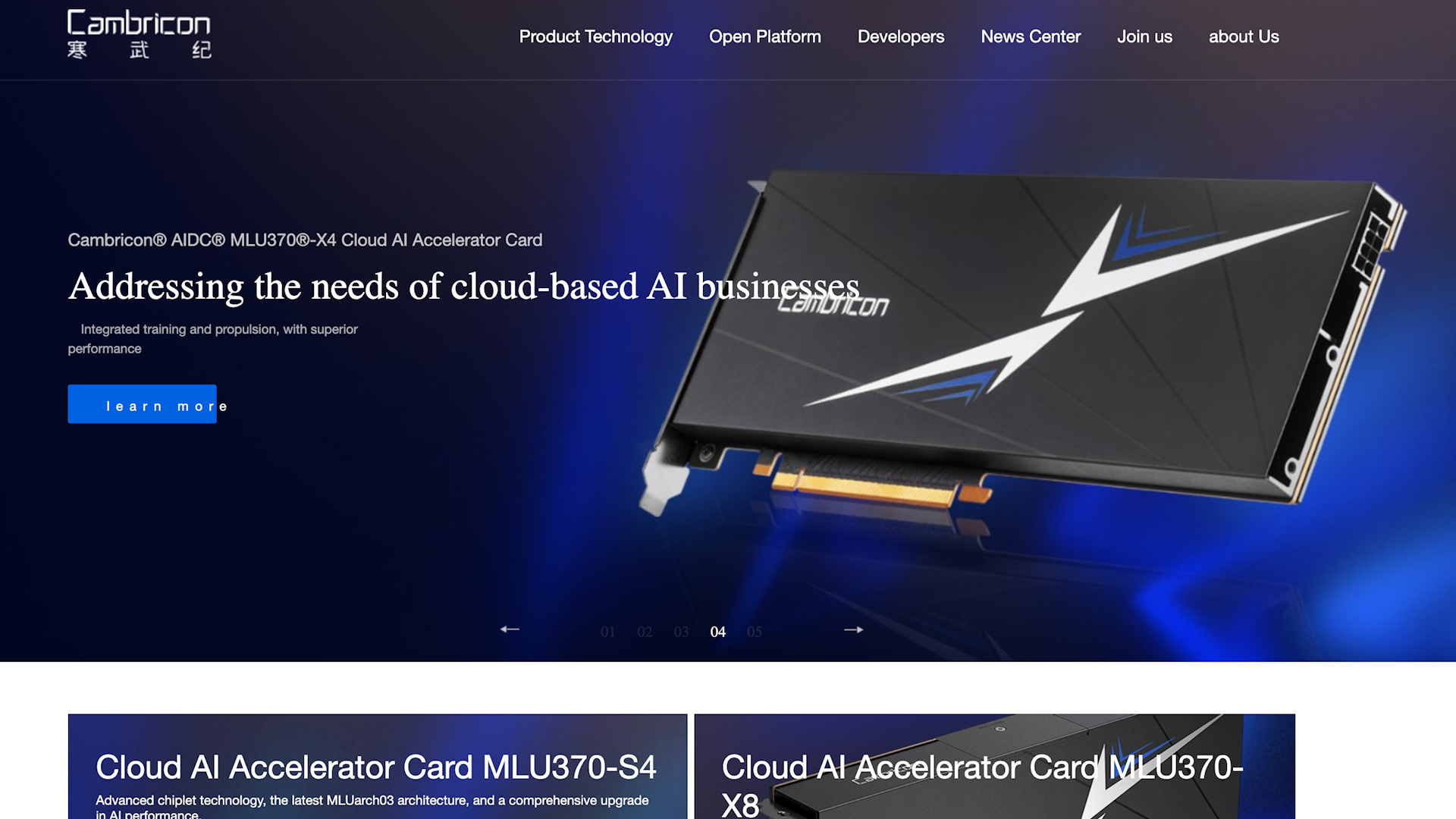
China's push to build a domestic AI‑chip ecosystem has accelerated after U.S. export controls, with domestic players like Cabochon relying on SMIC for production and planning to triple AI chip output next year. However, SMIC remains technologically behind leading foundries—producing at 7nm versus TSMC's 3nm—and current yields are very poor (about 20% usable chips versus 80–90% at TSMC), implying unit production costs reportedly up to four times higher. Beijing's strategic imperative and subsidies are driving rapid investment, but the combination of outdated nodes and low yields suggests sustained competitive and economic disadvantages in the near term.
Market structure: Export controls and Beijing-driven procurement favor domestic Chinese fabs (SMIC and local designers) as political winners, while high-end process leaders (TSM/TSM) retain pricing power for advanced nodes. SMIC’s 7nm with ~20% usable yields vs TSMC’s 80–90% implies raw tripling of wafer starts raises usable chips ~+200% from today but still leaves effective output ~3–4x less efficient, preserving a premium for TSMC/NVIDIA-grade AI silicon.
Risk assessment: Tail risks include accelerated U.S./EU export escalations that remove China from NVIDIA/NVDA supply (days–weeks) and a subsidized Chinese overbuild that commoditizes low-end inference chips (12–36 months). Hidden dependencies: SMIC’s node progress depends on foreign equipment/IP and sustained state subsidies; a breakthrough in yield (to >50% within 12 months) would be a binary re‑rating event.
Trade implications: Bias to long TSM and semicap vendors (ASML/LRCX) and tactical short/hedge NVDA exposure to China-revenue risk. Use concentrated option structures: buy 3‑month NVDA puts 10–15% OTM as tail insurance, buy 9–12 month TSM calls to capture durable node premium. Size trades small (2–4% portfolio) and reprice on quarterly earnings or export-policy updates.
Contrarian angles: Consensus underweights the multi-year cost gap — China can ramp volumes but likely at >3–4x unit cost, making large-scale displacement of premium AI silicon unlikely within 24 months. Historical parallel: 1980s Japan semiconductor push took a decade to displace incumbents; an early conclusion that NVDA is structurally impaired is overdone and creates a relative-value opportunity.
AI-powered research, real-time alerts, and portfolio analytics for institutional investors.
Request DemoOverall Sentiment
moderately negative
Sentiment Score
-0.40
Ticker Sentiment
