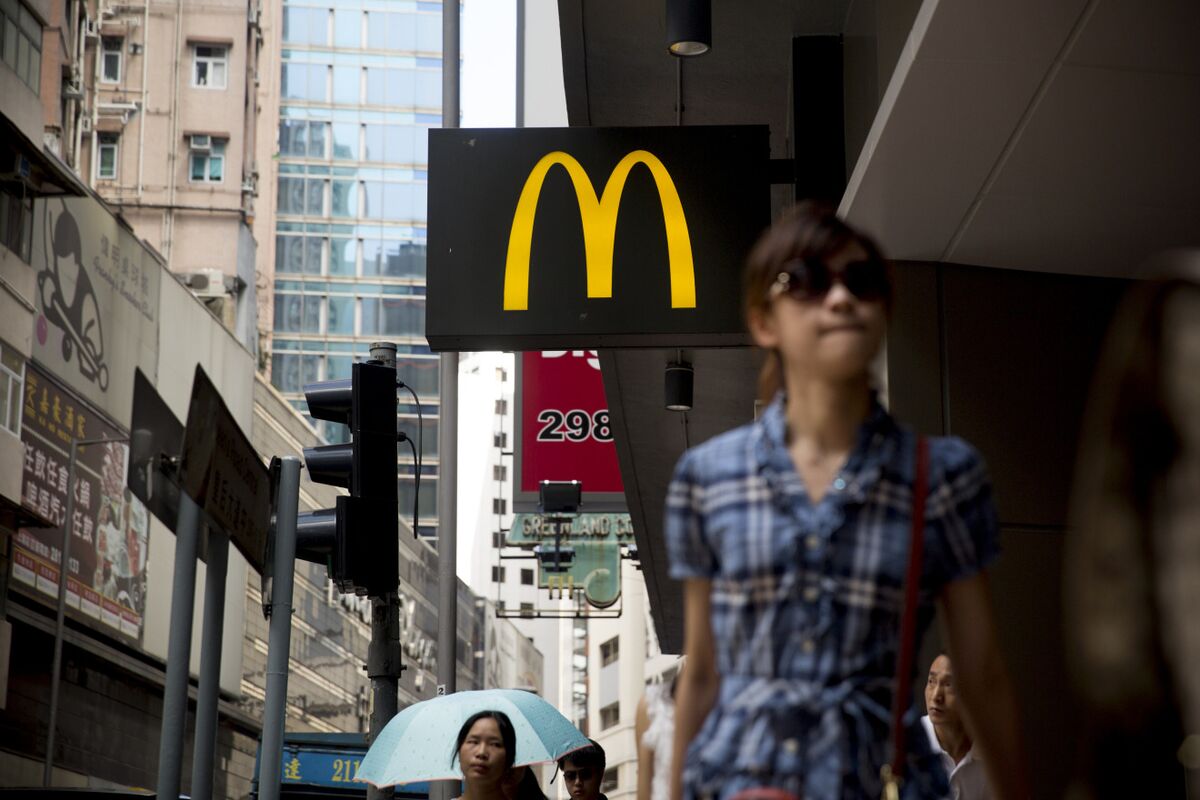
McDonald's is divesting eight retail properties in Hong Kong, valued at HK$1.2 billion ($153 million), through a sale-and-leaseback arrangement. This strategic move, occurring amidst a weak Hong Kong real estate market, allows the fast-food giant to monetize significant real estate assets while maintaining its operational footprint in key shopping districts, potentially freeing up capital for other corporate priorities.
McDonald's Corporation is executing a strategic real estate transaction in Hong Kong, marketing eight properties for a total of HK$1.2 billion ($153 million). The deal is structured as a sale-and-leaseback, allowing the company to monetize its physical assets while maintaining its operational presence in prime retail locations such as Tsim Sha Tsui and Causeway Bay. This move is particularly notable given its timing amidst a described "weak" real estate market in the city, suggesting a tactical decision to unlock capital and de-risk from direct property ownership. While the $153 million sum is not material to McDonald's overall financial position, as indicated by the low market impact score of 0.3, it reflects a disciplined approach to balance sheet management. By converting property equity into liquid capital, McDonald's can redeploy these funds into core business operations, shareholder returns, or other strategic initiatives.
AI-powered research, real-time alerts, and portfolio analytics for institutional investors.
Request DemoOverall Sentiment
neutral
Sentiment Score
0.00
Ticker Sentiment
