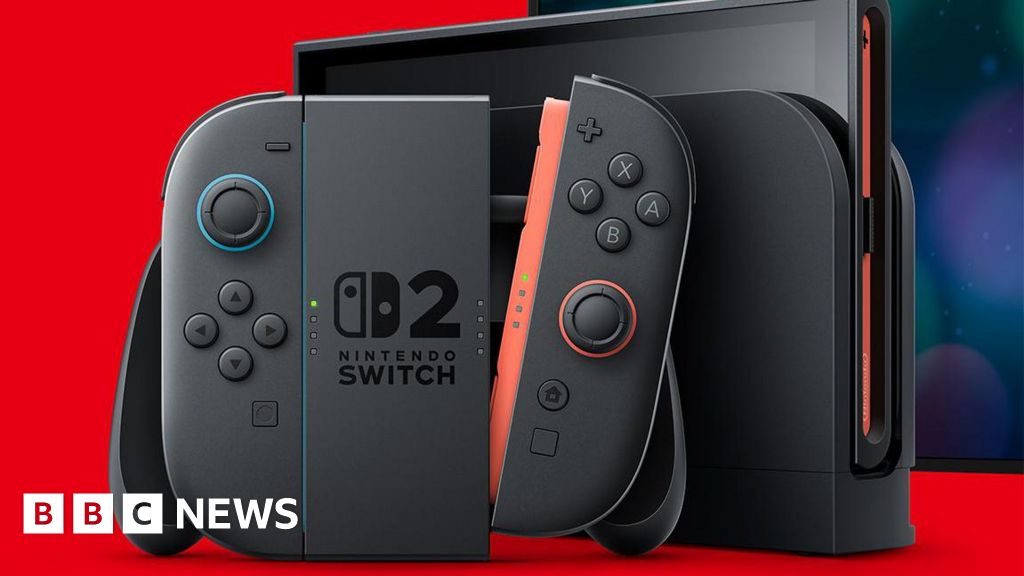
Nintendo will raise Switch 2 prices from September, increasing the US price to $499.99 from $449.99 and the euro price in most European countries to €499.99 from €469.99, while UK pricing remains pending. The company cited changed market conditions, with higher RAM and storage costs, AI data-center demand, and tariff uncertainty pressuring supply chains. Nintendo also disclosed almost 20 million Switch 2 units sold since last June and 424.0 billion yen in profit, up 52% year over year.
This is a subtle demand test, not just a pricing update. For Sony, the read-through is that hardware makers are discovering they have pricing power only when the install base is still enthusiastic; once the cycle matures, price increases tend to shift unit demand rather than expand margin. That creates a second-order winner set in software and services rather than consoles themselves: higher hardware friction can lift attach rates for existing users, but it also slows new-user conversion, which is the bigger medium-term issue for recurring revenue models.
The supply-chain angle matters more than the headline suggests. If RAM and storage remain constrained by AI datacenter demand, console BOM inflation is likely to persist for 2-4 quarters, which means the next incremental price move in the sector is more likely to be on accessories, subscriptions, and bundles than on base hardware. For Sony specifically, that sets up a tradeoff: near-term gross margin protection versus risk of lower console sell-through that eventually hits game software sales and network engagement.
The market may be underestimating how quickly “necessary” consumer electronics can become discretionary when prices move up twice in a cycle. A second hike after the last one tends to be more damaging to demand elasticity than the first, especially in Europe and Japan where consumer budgets are tighter and alternative entertainment spending is abundant. The contrarian view is that Sony’s hardware margin optics can improve for a quarter or two, but the value capture likely leaks to first-party software publishers and digital content ecosystems rather than to the console OEM itself.
The cleanest catalyst window is the next 1-2 earnings prints, when management commentary on sell-through, promo intensity, and attach rates will reveal whether the price increase is being absorbed or deferred. If unit guidance holds but channel inventory rises, that’s the tell that price elasticity is already biting and the market is overpricing margin durability.
AI-powered research, real-time alerts, and portfolio analytics for institutional investors.
Request DemoOverall Sentiment
mildly negative
Sentiment Score
-0.20
Ticker Sentiment
