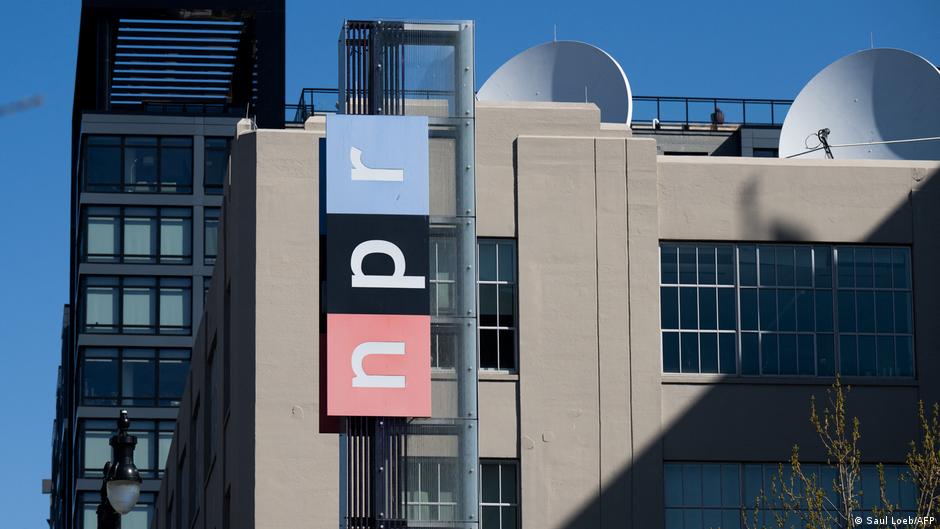
A federal judge (US District Judge Randolph Moss) blocked the Trump administration from halting funding to NPR and PBS, ruling the 2025 executive order unlawful as viewpoint discrimination under the First Amendment. The administration had also canceled about $1.1 billion earmarked for public broadcasting in July; Moss' decision is likely to be appealed, so near-term operational and funding impacts remain uncertain. Separately, an appeals court paused a separate order requiring hundreds of Voice of America employees to be returned from paid leave.
The judicial rebuke of viewpoint-based funding actions constrains an executive playbook but does not eliminate the underlying budgetary weaponry available to administrations — appropriations and rider language remain as effective (and harder-to-challenge) levers. Expect a two-tier timing profile: an immediate relief/uncertainty phase (days–weeks as appeals are filed and temporary stays may be sought) and a multi-quarter structural phase (6–24 months) where appropriations, donor responses, and consolidation drive real revenue outcomes for small public broadcasters.
Operationally, the more important second-order outcome is balance-sheet damage already inflicted by canceled appropriations: stations and producers with thin margins will either shrink programming or be acquired. A modest reallocation of local audience and underwriting — even 2–4% of listener/viewer-hours — would translate into low- to mid-single-digit ad revenue gains for commercial local broadcasters; that magnitude is sufficient to move sub-capitalized regional broadcasters’ EPS by double digits over 6–12 months.
On the regulatory front, the ruling raises precedent risk around any federal program that conditions funds on editorial posture, narrowing the administration’s immediate toolkit but likely shifting future effort into Congress (budget riders) and state-level actions. That shift increases multi-year political and litigation exposure for content distributors and creates recurring demand for litigation finance and specialized legal services, a compensating opportunity for firms in that niche.
AI-powered research, real-time alerts, and portfolio analytics for institutional investors.
Overall Sentiment
neutral
Sentiment Score
0.00
