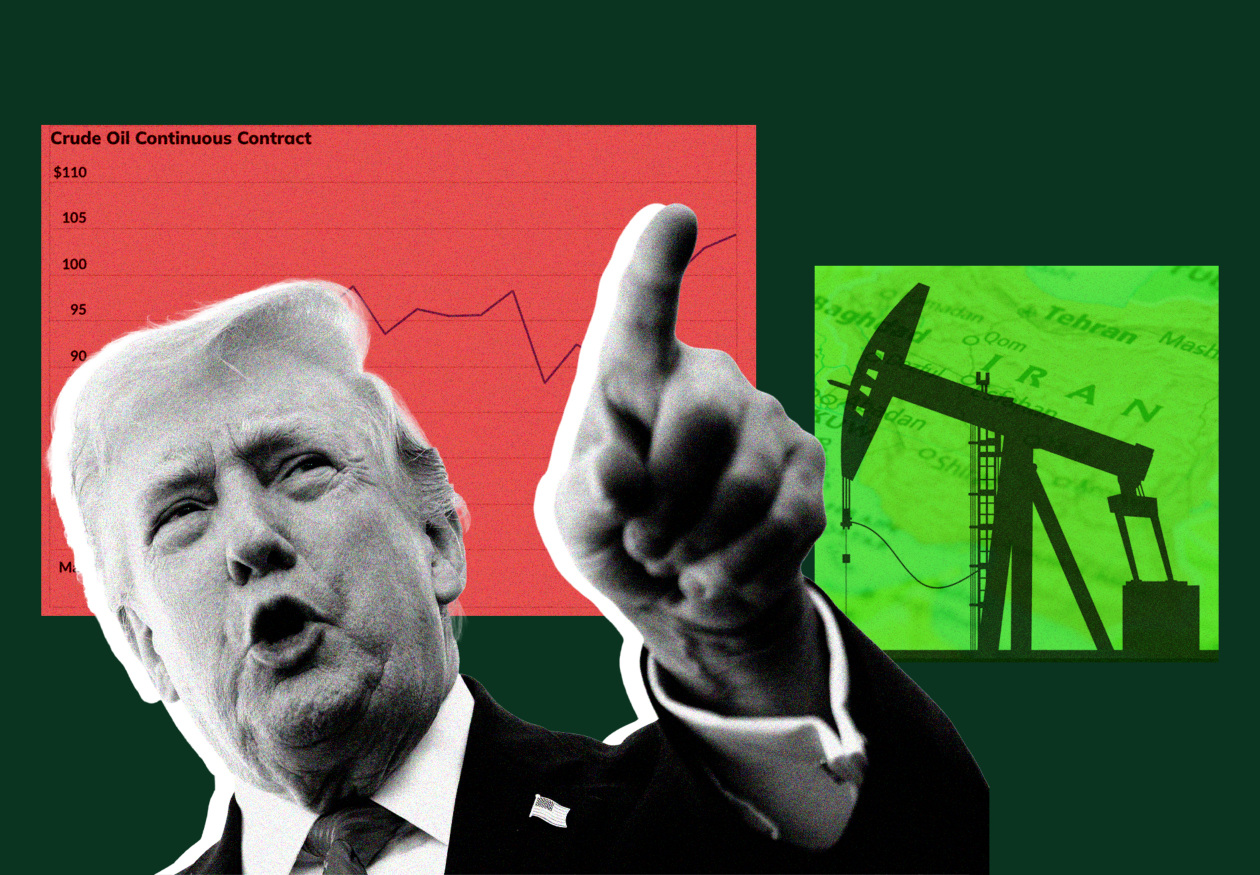
Global oil prices posted their largest monthly gain on record in March and reached their highest levels since 2022 after U.S. and Israeli attacks on Iran and ensuing disruptions to Middle East energy producers and shipping through the Strait of Hormuz. The developments have produced a historic supply shock that will likely add near-term inflationary pressure and elevated volatility in energy markets. Continued geopolitical escalation or disruptions to shipping lanes would materially widen market impacts.
The immediate economic lever isn’t crude barrels but the logistics premium — route disruptions amplify freight rates, war‑risk insurance and bunker consumption, transferring value from refiners and consumers to tanker owners and short‑cycle producers. Expect tanker TCEs and timecharter rates to reprice upward for as long as persistent route risk remains priced into insurance; this can lift owner EBITDA by 30–60% in a 1–3 month shock even if physical crude flows only modestly tighten.
U.S. shale is the swing supplier with a 2–6 month response window: capex discipline and takeaway constraints mean the market will not be flooded quickly, keeping a premium on shorter‑dated spreads and product cracks. Conversely refiners with high heavy‑sour capacity will underperform refining configurations tilted to light sweet grades, and midstream throughput incentives will skew toward shorter, higher‑margin barrels — expect term differentials and storage economics to reprice regionally.
Policy and military options are asymmetric catalysts: limited, rapid naval escort operations or targeted diplomatic de‑escalation can compress risk premia in days–weeks, while reciprocal attacks or expanded sanctions could entrench higher structural transport costs for months. Meanwhile a meaningful macro slowdown or aggressive SPR releases would erode the premium over 2–6 quarters — the fastest path to reversal is coordinated strategic oil releases plus guarantee of chokepoint security.
Consensus overlooks that much of today’s price signal is a convex logistics tax, not fundamental supply loss: if insurers and charterers accept mitigants (escorts, re‑routing contracts, higher freight amortized by shippers) the persistent winners (tanker owners, short‑cycle producers) lose a large portion of forward excess profit even without changes in aggregate production.
AI-powered research, real-time alerts, and portfolio analytics for institutional investors.
Request DemoOverall Sentiment
mildly negative
Sentiment Score
-0.35
