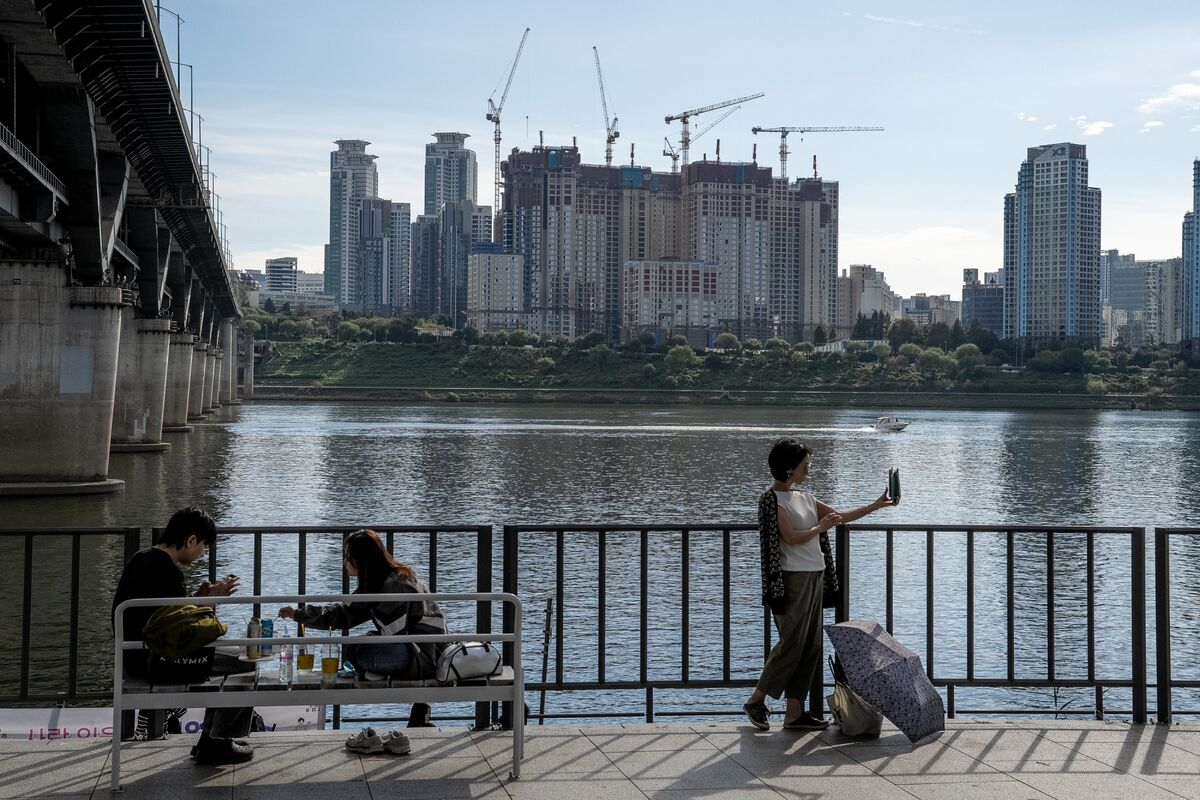
South Korea has implemented new restrictions on foreign property acquisition in the greater Seoul area, effective August 26, requiring prior government approval and mandating buyers occupy the residence for at least two years. This one-year policy aims to curb escalating housing prices, signaling the government's intensified efforts to stabilize the real estate market and potentially impacting foreign capital flows into the sector.
The South Korean government is introducing significant new restrictions on foreign property purchases in the greater Seoul area, effective August 26. These measures include a mandatory prior approval process and a strict two-year residency requirement for foreign buyers, who must occupy the property within four months of purchase. This policy, initially set for a one-year period, represents a direct government intervention aimed at curbing escalating housing prices and stabilizing the local market. The regulations fundamentally alter the investment landscape by shifting the eligible foreign buyer pool from pure capital investors to owner-occupiers, thereby introducing a substantial non-financial barrier. This action signals heightened regulatory risk in one of Asia's key real estate markets and will likely dampen speculative foreign demand, potentially impacting transaction volumes and price momentum in developments that previously targeted overseas capital.
AI-powered research, real-time alerts, and portfolio analytics for institutional investors.
Request DemoOverall Sentiment
neutral
Sentiment Score
-0.10
