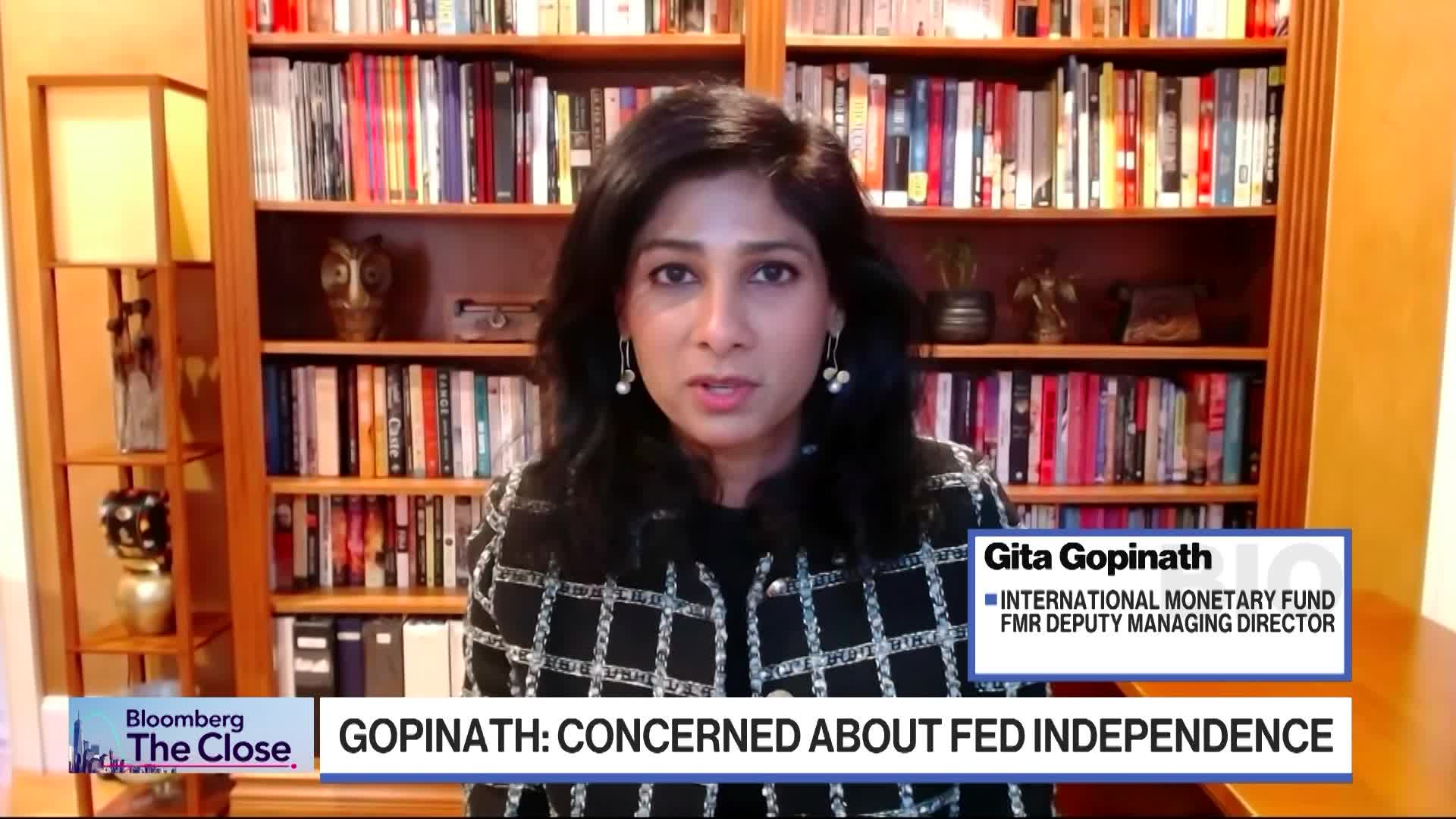
Outlook for 2026 is a mix of strength — driven by elevated corporate capex and a large fiscal stimulus — and meaningful downside risks centered on inflation and Fed policy. Headline inflation is cited at 2.8%, with tariffs contributing roughly 0.7 percentage points and an additional ~0.5pp impulse expected next year, while markets show the unusual signal of 10-year yields higher even as the Fed cuts rates. Key near-term market risks include uncertainty over the next Fed chair and the Fed’s reaction function, low current volatility readings (VIX), rising spreads, and the potential for increased global fragmentation via trade controls, sanctions and export restrictions. Managers should watch rates/yield curves, inflation pass-through from tariffs and fiscal impulse, and signs of market repricing of Fed independence and policy direction.
Market structure: Fiscal expansion + sustained capex points to cyclicals and commodity beneficiaries (industrial machinery, semiconductors equipment, base metals). Tariff pass-through (current estimate +0.7pp, +0.5pp expected next year) shifts pricing power to domestic producers and firms with pricing power; long-duration growth (QQQ, high-multiple software) is vulnerable if real yields reprice upward. Cross-asset: expect term premium to rise (10y +25–75bps potential) -> bond sell-off, curve steepening, commodity upside, and spikes in realized and implied volatility.
Risk assessment: Tail risks include a breakdown of Fed independence (policy uncertainty spike ahead of May 2026 nomination) causing a rapid rise in risk premia, and a geopolitical decoupling shock disrupting supply chains. Near-term (days–months): watch VIX, 10y yield, CPI prints; medium-term (3–12 months): Fed chair process and nomination hearings; long-term (>12 months): structurally higher term premia if fiscal deficits remain elevated. Hidden dependencies: tariff inflation has 6–12 month lag; fiscal multipliers vary by country and amplify commodity demand.
Trade implications: Tactical overweight cyclicals (XLI, XLB), commodities (DBC) and capex beneficiaries (ASML) while trimming long-duration tech (QQQ). Fixed income: favor short-duration or steepener trades (short TLT or 2s/10s steepener) and buy volatility (VIX call spreads) into calendar events. Use options to size convex exposure: 3–6 month put spreads on TLT and 3-month VIX call spreads around CPI/Fed milestones.
Contrarian angles: Consensus underestimates tariff-fed inflation and political risk to Fed credibility; term premium could reprice faster than models expect, creating 25–75bps upside in 10y yield and a 10–20% drawdown in long-duration bonds. Historical analogy: 1970s fiscal/monetary tension but with slower wage pass-through today — expect prolonged elevated term premium rather than an immediate runaway inflation cycle. Unintended consequence: stronger nominal growth from fiscal stimulus could lift cyclicals and bank earnings even as sovereign bonds weaken.
AI-powered research, real-time alerts, and portfolio analytics for institutional investors.
Request DemoOverall Sentiment
mixed
Sentiment Score
-0.05
