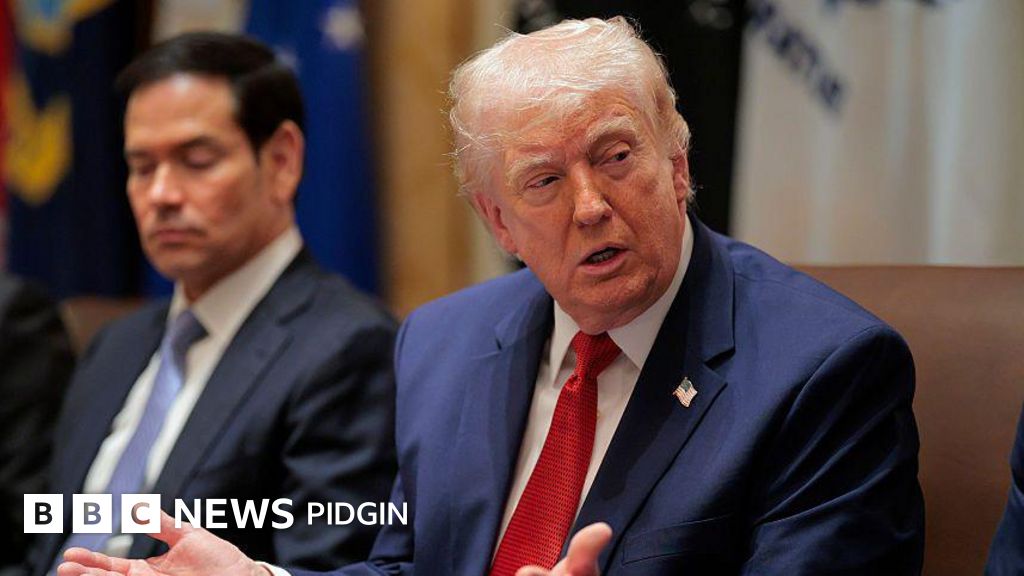
Trump extended a pause on strikes against Iranian energy plants by 10 days to Monday, April 6, 2026, which coincided with immediate market moves: Nasdaq -2.4%, S&P 500 -1.7%, Dow -1.0% and Brent crude near $108/bbl, about $1 lower after the post. Ongoing Israeli strikes in Iran and Lebanon and reported rising casualties (Lebanon toll >1,100) keep energy-supply risk elevated and maintain a risk-off environment that pushed the Nasdaq into correction territory (~11% off its October high).
The market reaction to the latest political maneuvering highlights a classic event-risk bifurcation: investors are pricing a temporary de-risking while leaving premiums for a re-escalation intact. That disconnect creates asymmetric opportunities — short-term debtor-style trades that monetize the lull (volatility sells, short-dated mean-reversion) versus tail hedges that protect against a regime shift (commodity spikes, insurance and shipping dislocations).
Second-order winners are those that capture frictional costs of intermittent conflict: marine insurers, war-risk underwriters, regional logistics contractors, and selective defense OEMs whose orderbooks are sticky and budget-backed. Losers include ad-dependent digital platforms whose revenues compress as ad budgets reallocate into defense and real-assets, and cross-border supply chains (refining catalysts, specialty chemicals) that see jumpy margins due to rerouting and insurance premiums.
The April 6 calendar point functions as a clear binary — it compresses realized volatility into a short horizon and amplifies time decay on options. That makes short-dated event structures cheap to sell but expensive to hedge through; conversely, buying protection that spans beyond the binary (60–180 days) efficiently covers regime drift. Consensus is treating the latest reprieve as de-escalation; we think tail risk is under-allocated against a multi-month episode of higher energy volatility and persistent tech revenue risk from legal and sentiment shocks.
AI-powered research, real-time alerts, and portfolio analytics for institutional investors.
Overall Sentiment
mildly negative
Sentiment Score
-0.35
Ticker Sentiment
