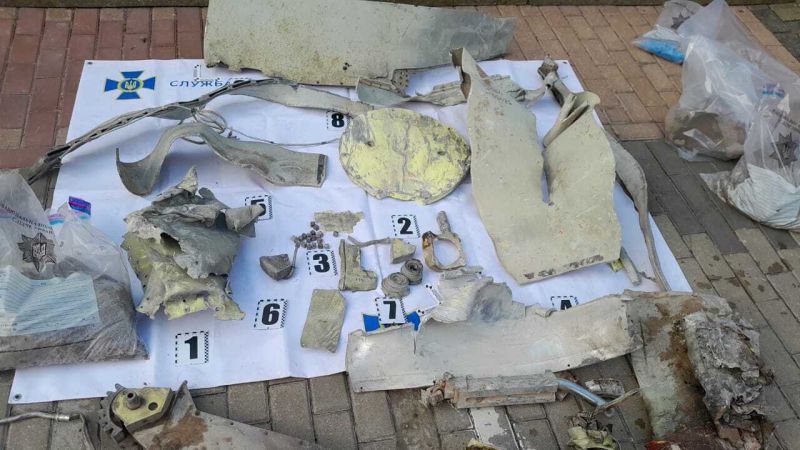
Ukrainian officials reported that a Russian Iskander missile that struck Kyiv contained dozens of foreign-made components, including chips from US, Japanese, British, and Swiss companies, with some manufactured after Russia's 2022 invasion. This highlights Russia's continued success in evading Western sanctions and export controls, often through illicit channels involving third countries, despite efforts by companies like Infineon and Texas Instruments to prevent their products from reaching Russia. The findings underscore persistent challenges in global supply chain enforcement and potential reputational and compliance risks for Western technology manufacturers.
The discovery of recently manufactured Western electronic components, including chips from Texas Instruments (TXN) and Analog Devices (ADI), in a Russian Iskander missile highlights the persistent circumvention of sanctions and export controls. Despite stated policies by these firms to halt all shipments to Russia since February 2022, the incident demonstrates the effectiveness of illicit procurement channels, likely involving third-party countries, in supplying Russia's war effort. Notably, these are dual-use components, originally designed for civilian applications, which complicates enforcement. While the companies face reputational and compliance risks, Ukrainian officials observed that this missile contained fewer Western parts compared to earlier examples, suggesting that sanctions may be having a gradual, albeit incomplete, effect by forcing Russia to increasingly rely on domestic or Belarusian components. This event underscores a structural challenge for the semiconductor industry in policing complex global supply chains amid geopolitical conflict, creating a low-level but persistent negative overhang for the implicated firms.
AI-powered research, real-time alerts, and portfolio analytics for institutional investors.
Overall Sentiment
moderately negative
Sentiment Score
-0.40
Ticker Sentiment
