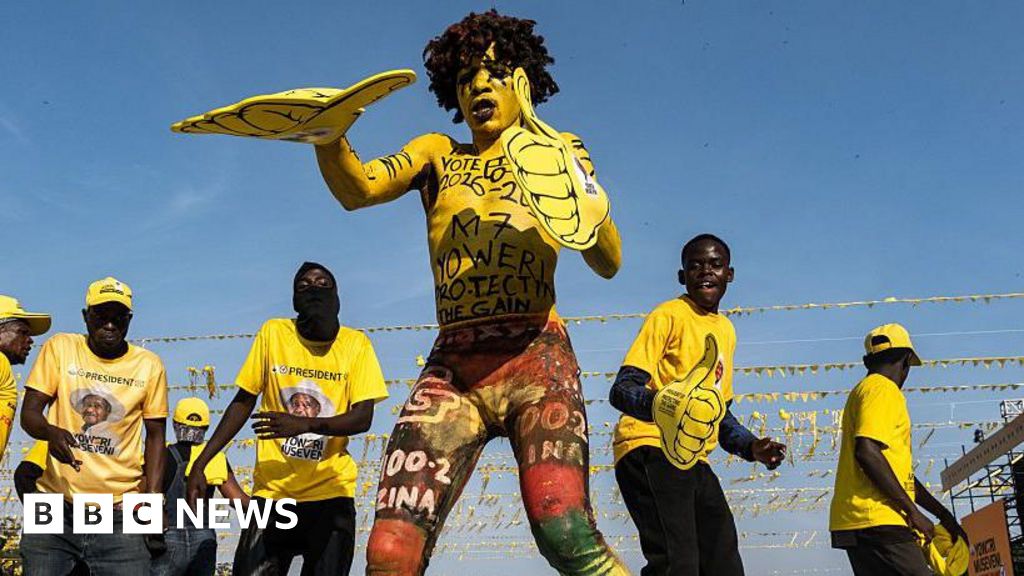
President Yoweri Museveni secured a seventh term with 72% of the vote amid opposition claims of fraud and repression, reinforcing political continuity but raising succession risks as authority shifts toward his son, Gen Muhoozi Kainerugaba. Museveni is pinning his economic legacy on Uganda's nascent oil sector, targeting first crude exports in October via a 1,443 km pipeline to Tanga and projecting double-digit growth once exports commence; investors should weigh potential rental income and export upside against heightened political centralization, governance uncertainty and reputational/legal risks tied to contested elections and security crackdowns.
Market structure: Museveni’s re-election and stronger centralisation around Gen. Muhoozi favours state-linked sectors — oilfield services, pipeline/port construction, and security contractors — while hurting consumer-facing domestic companies, frontier sovereign credit and UGX liquidity. Uganda’s first crude exports (target Oct) are unlikely to move global Brent materially (<0.3% of global supply in early years) but will re-route regional FX flows and government revenue, boosting contractors with secured state contracts. Cross-asset: expect UGX depreciation, +150–400bp widening vs. peer sovereign USD spreads (6–12 months), modestly higher regional bond yields, and intermittent commodity-driven volatility around Oct.
Risk assessment: Tail risks include pipeline sabotage, large-scale unrest, or targeted sanctions that could delay exports by 6–24 months and spike local risk premia; a coup or major security incident would widen spreads >500bp and force repricing. Immediate (days): FX and equity volatility; short-term (weeks–months): sovereign spread widening and capex repricing; long-term (years): entrenched state capture that concentrates rents in a few contractors and raises governance risk. Hidden dependencies: Tanzania’s political cooperation, contractor counterparties, and bank exposure to state-linked receivables.
Trade implications: Favor equity exposure to global oilfield services with African project pipelines (SLB, BKR, FTI) sized 1–2% positions each over 12–36 months; hedge with short EEM (1–1.5%) to isolate Africa-specific risk. Establish a 0.5–1% notional long USD/UGX forward (6–12m) or buy UGX puts if available; if fundable, short Uganda USD sovereign bonds or CDS sized to generate 200–400bp payoff if spreads move as expected. Use Brent options to hedge Oct tail risk: buy Nov Brent $85/$100 call spread (small size, 3–6 month tenor).
Contrarian angles: The market may over-discount Uganda’s oil upside and permanently punish sovereign bonds — if exports start and revenues flow, sovereign spreads could tighten 100–250bp within 12 months, reversing short positions. Look for early signs: (1) verified cargo loading dates, (2) EPC contract flow-downs to listed contractors, (3) Tanzania regulatory approvals — any two within 60 days warrant trimming short-bond/FX exposures by 25–50%. Historical parallels (Angola/Algeria) show initial political risk premium can be traded around project milestones rather than permanent write-downs.
AI-powered research, real-time alerts, and portfolio analytics for institutional investors.
Request DemoOverall Sentiment
mildly negative
Sentiment Score
-0.25
