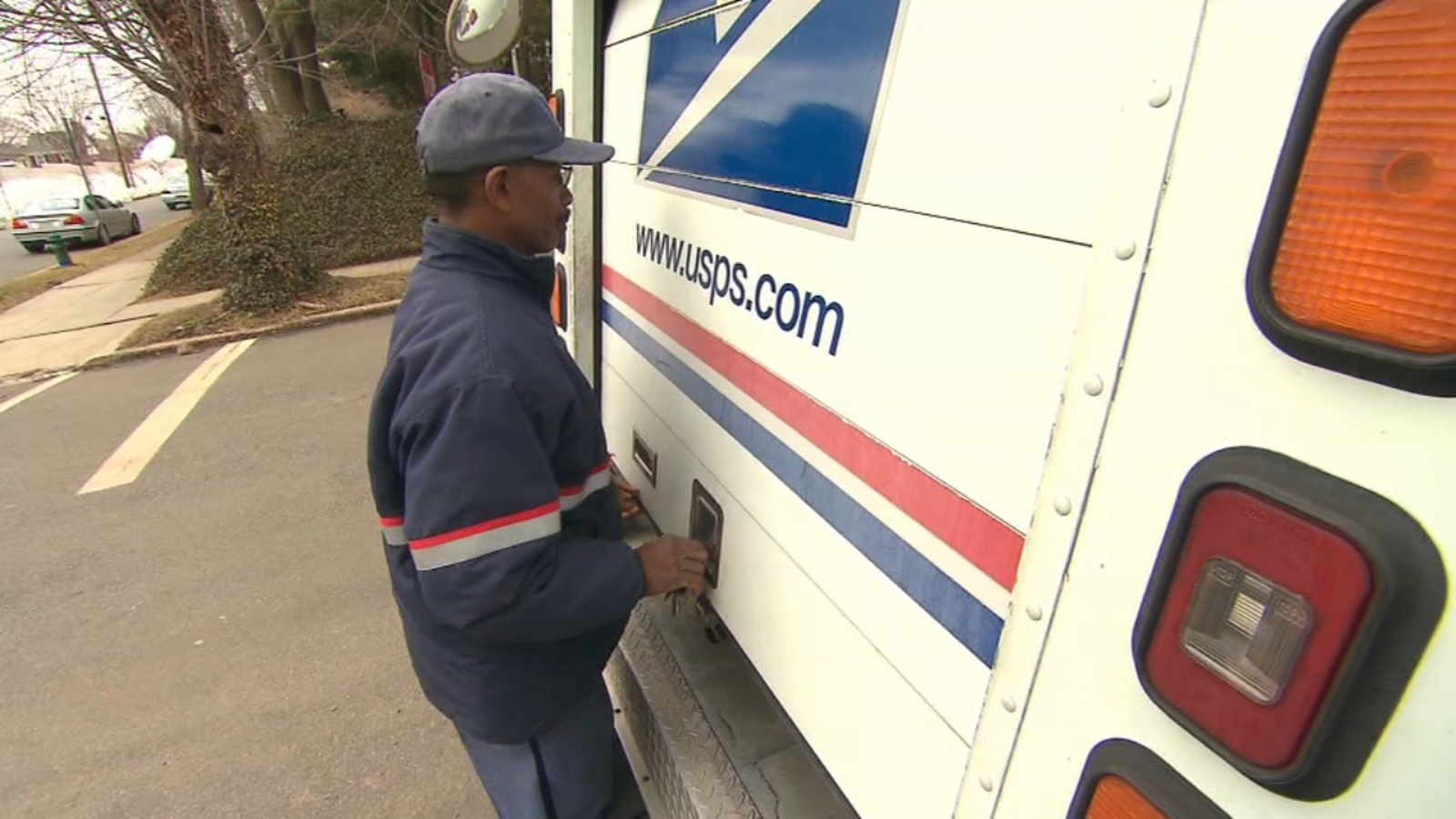
USPS filed to impose a temporary 8% surcharge on Priority Mail Express, Priority Mail, USPS Ground Advantage and Parcel Select effective Apr 26 through Jan 17, 2027 (pending approval). The agency says the charge offsets rising transportation/fuel costs and is under one-third of competitors' fuel surcharges; First-Class stamps and other products are excluded. Postmaster General David Steiner warned USPS could run out of cash within a year unless Congress lifts a borrowing cap and permits reforms, including higher postage authority.
A pricing shift by a low-cost national parcel provider materially changes marginal routing economics for shippers that already test multiple carriers. We estimate that 5–10% of current parcel volume — concentrated in e-commerce parcels 1–10 lb — can be reallocated to private carriers within 6–12 months, which implies roughly a 2–3% incremental revenue lift for the large surface carriers given current mix and yield differentials. That uplift is amplified by density effects: gaining those incremental volumes improves utilization on core lanes and can expand EBITDA margins by 150–300bps before fixed-cost step-ups.
Retailers and marketplaces will be the active negotiators: the largest platform shippers can lock improved blended rates and absorb or re-bill modest increases, while smaller merchants face an immediate margin squeeze and are likelier to consolidate through platform/logistics partners. Expect an acceleration of hybrid routing (platform + regional + private carrier) trials, and a measurable bump to shipping-related line items in retailers’ SG&A over the next 2–4 quarters, creating dispersion across retail and marketplace equities. Market inflation-readers should note this is a supply-chain cost shock with persistence measured in quarters, not weeks — it’s additive to services inflation while lasting until network adjustments or regulatory reversals occur.
From a policy and credit perspective, near-term liquidity relief for the incumbent reduces likelihood of emergency fiscal intervention over the next 6–12 months, lowering an acute political tail-risk for carriers and counterparties. However, the structural decline in legacy letter volumes remains intact; a full reversion is possible if fuel or broader carrier surcharges retreat 20–30% within 3–9 months or if Congress enacts broader pricing/borrowing reforms. Watch contract-renegotiation windows (most enterprise shipping agreements reprice annually) — those are the primary catalysts where the competitive gains crystallize or unwind.
AI-powered research, real-time alerts, and portfolio analytics for institutional investors.
Request DemoOverall Sentiment
mildly negative
Sentiment Score
-0.25
