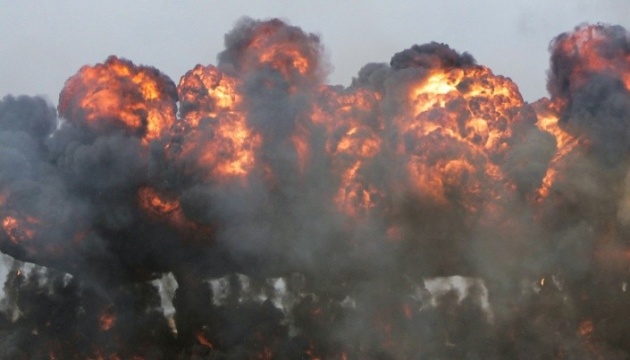
In January 2026 Ukrainian forces struck a complex of hangar-type buildings at Russia’s Kapustin Yar missile range in Astrakhan region, reportedly using domestically produced long-range strike assets including the FP-5 Flamingo; multiple buildings were damaged, one hangar significantly, and some personnel were evacuated. The strikes — following prior attacks on logistics hubs, UAV control points and electronic warfare assets — could degrade pre-launch preparations for medium-range/ICBM systems and raise regional risk premia, with potential implications for defense-related logistics and short-term risk sentiment but limited immediate direct market fallout.
Market structure: The Kapustin Yar strike raises the probability of a sustained Western and Ukrainian emphasis on long-range strike and air-defense systems, favoring US/EU prime defense contractors (Lockheed LMT, Raytheon RTX, Northrop NOC) and component suppliers for 6–18 months. Russian military logistics and Moz‑export energy flows face acute disruption risk; expect near-term (days–weeks) risk premia in Brent/WTI of +1–3% and increased volatility in Russian FX/bonds (RUB down >3% would be a trigger).
Risk assessment: Tail risks include rapid escalation leading to NATO logistical exposure or broader sanctions (low prob, high impact) and Russian asymmetric strikes on energy infrastructure causing oil spikes >10% in 1–4 weeks. Immediate effects: market repricing and safe‑haven flows; short-term (1–3 months): stronger defense capex headlines; long-term (6–24 months): re‑shoring and inventory buildups that benefit primes and electronic warfare suppliers.
Trade implications: Favor selective, size-controlled exposure to US defense primes and aerospace suppliers for a 6–12 month horizon, hedge political/commodity tail risk with VIX or oil options, and cut direct Russia/EM energy line exposure now. Use 3–6 month call spreads to control capital, take profits on a 15–25% rally, and stop-loss at 10–12% to limit downside if de‑escalation occurs.
Contrarian angles: Consensus may overpay for headline‑defense plays; smaller Tier‑2 suppliers (LHX, HRS) that provide electronics and autonomy could re-rate 30–50% as procurement shifts from platform buys to munitions/sensors. Beware a de‑escalation pivot—if major diplomatic ceasefire occurs within 30–90 days, defense primes can give back 10–25%, making staggered entries and option hedges essential.
AI-powered research, real-time alerts, and portfolio analytics for institutional investors.
Request DemoOverall Sentiment
moderately negative
Sentiment Score
-0.30
