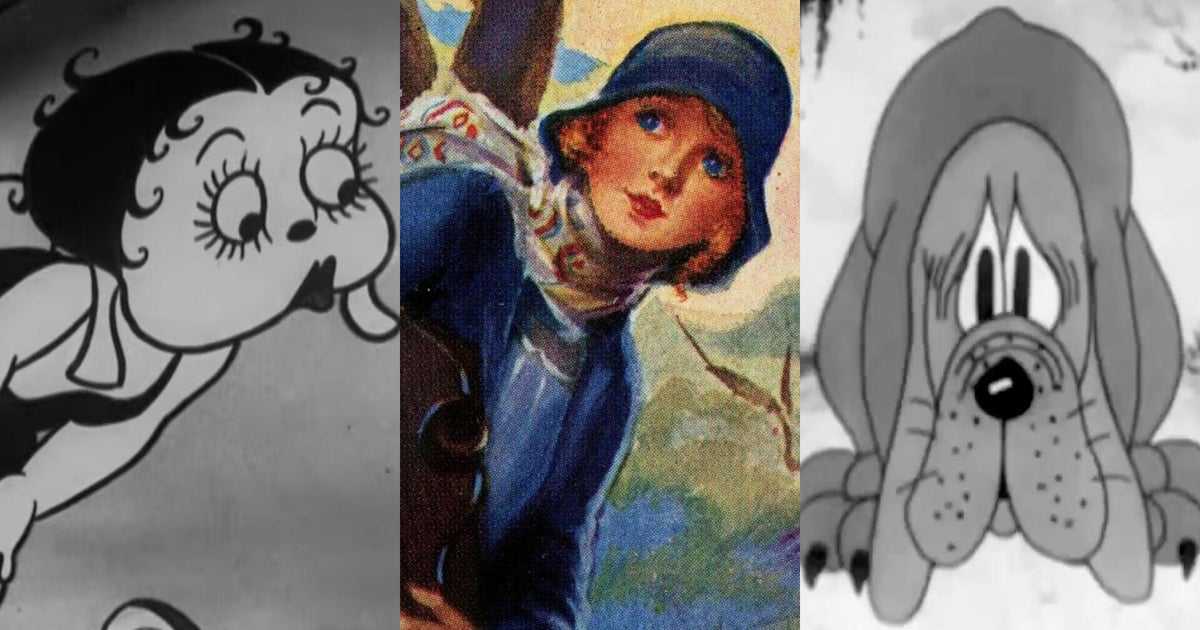
As of Jan. 1, 2026, U.S. copyright protections lapsed for works published in 1930 (and sound recordings from 1925), placing thousands of works into the public domain including Betty Boop's first appearance, Nancy Drew's debut, Agatha Christie’s "The Murder at the Vicarage," films like "All Quiet on the Western Front," and songs such as "Georgia on My Mind." The development permits unrestricted reuse of these original works, although trademarks, modern character revisions and other rights may still limit commercial exploitation—an important caveat for media companies, rights managers and licensors evaluating revenue or licensing strategies.
Market structure: Entry of 1930-era works into the public domain marginally expands the low-cost supply of recognizable IP that streaming platforms, FAST channels and indie studios can exploit. Winners: distribution/aggregation platforms (ROKU, NFLX, AMZN) and boutique merch/derivative producers that can monetize low-production-cost remixes; losers: legacy rights-holders like DIS see modest erosion of exclusive licensing leverage. Expect the revenue impact to be concentrated in niche catalogs (children’s books, early cartoons) rather than blockbuster franchises, implying a gradual rebalancing of licensing spreads rather than seismic price shifts.
Risk assessment: Tail risks include aggressive trademark litigation, estate-led enforcement actions, or a rare legislative reversal of terms (low probability but high impact). Timing: immediate impact is negligible (days), productization begins in 3–12 months as studios plan adaptations, and revenue effects materialize over 1–5 years; monitor trademark filings and producer announcements over the next 90–180 days. Hidden dependency: public domain status does not erase trademarks or modern character designs — confusion risk, not absolute substitution, so second-order brand dilution is the main channel of harm.
Trade implications: Direct plays favor platforms that can cheaply populate catalogs: prioritize streaming/FAST exposure (ROKU, NFLX, AMZN) and music/record platforms that can exploit 1925 recordings (SPOT watchlist) while trimming concentrated exposure to big legacy IP owners (DIS). Option strategies: use 3–6 month call spreads on ROKU/NFLX to play upside from low-cost remakes and sell covered calls on trimmed DIS positions or buy 6-month 5–7% OTM puts as downside insurance. Catalyst triggers to act: announcements of free-to-stream adaptations or merchandising deals within 6 months; if none, re-evaluate.
Contrarian angles: The market underestimates upside from one-hit viral remixes — a single successful adaptation can drive 10–30% incremental user engagement for a fast-mover platform, so small-cap content aggregators may be mispriced long. Conversely, the reaction that legacy IP is now “open season” is overdone; trademarks and modern iterations will constrain derivative monetization, muting Disney downside to likely <1–3% of revenue over 1–3 years. Historical parallel: Sherlock Holmes public-domain surge created both new revenues and litigation; expect similar mixed outcomes here rather than binary winners/losers.
AI-powered research, real-time alerts, and portfolio analytics for institutional investors.
Request DemoOverall Sentiment
neutral
Sentiment Score
0.00
Ticker Sentiment
