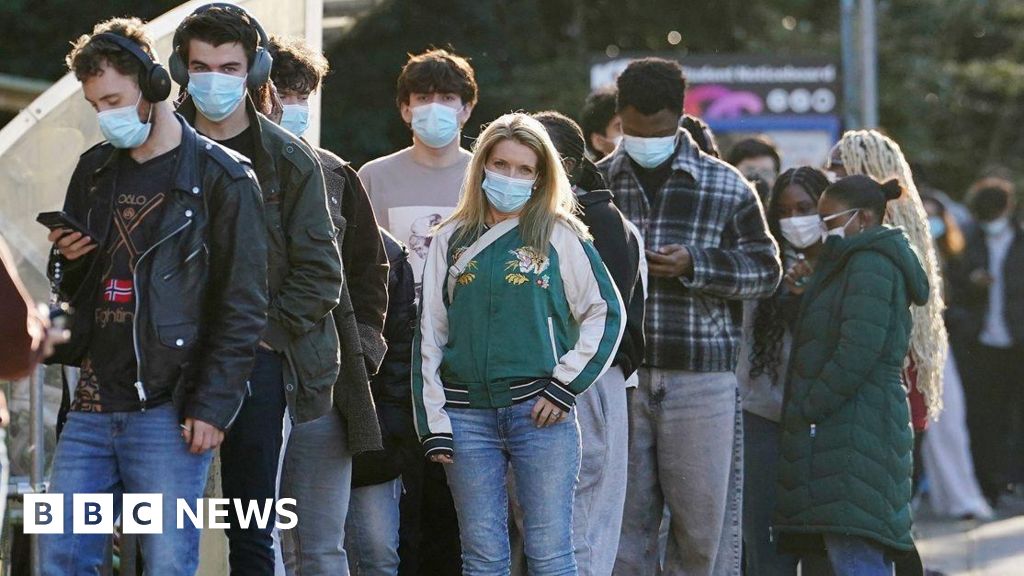
20 confirmed/suspected meningitis cases in Kent with 2 deaths have prompted an urgent UKHSA alert and a targeted vaccination programme for ~5,000 University of Kent students; about 600 jabs were offered on the first day. Approximately 2,500 antibiotic doses have been administered and GPs are instructed to prescribe antibiotics to nightclub attendees (5-7 March) and university students; Boots and Superdrug report increased demand and queuing/waitlists. Impact is localized but may temporarily boost demand for vaccines, antibiotics and pharmacy services; authorities describe the outbreak's pace as unprecedented but say it is not national.
This outbreak creates an acute, localized spike in demand for point-of-care vaccination, rapid antibiotic dispensing and diagnostic triage that will meaningfully reallocate near-term retail pharmacy footfall and laboratory throughput. Expect a two- to six-week window of elevated pharmacy revenue per site (vaccine administration fees, OTC sales, follow-up scripts) followed by uneven tail demand as universities and local authorities coordinate second-dose campaigns. Supply-side frictions are the real alpha opportunity: central government procurement and NHS prioritization will absorb headline vaccine lots, leaving pharmacies to monetize incremental capacity (waiting lists, concierge administration, private-pay visitors) or suffer inventory shortages that compress margins. Cold-chain logistics providers and regional wholesalers will bottle-neck within 7–21 days if demand clusters across multiple student towns, raising spot procurement costs and creating arbitrage for better-capitalized chains. Second-order losers include balance-sheet-levered leisure/hospitality operators concentrated in student/young-adult markets and UK student-housing landlords facing occupancy volatility and refund risk for short-term stays. Conversely, diagnostics vendors and telehealth triage platforms could lock recurring referral flows if they execute urgent-testing partnerships with universities; that transition from one-off surge to sustained contracts is the key three-month catalyst to watch.
AI-powered research, real-time alerts, and portfolio analytics for institutional investors.
Request DemoOverall Sentiment
strongly negative
Sentiment Score
-0.60
