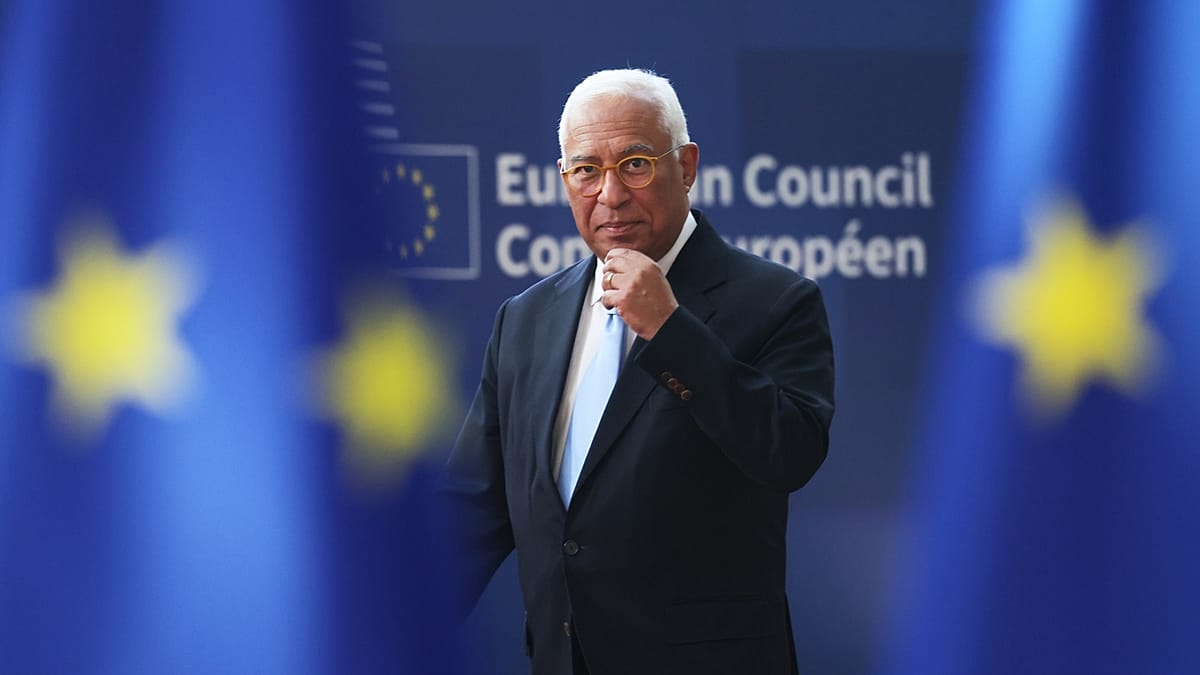
€90 billion EU loan to Ukraine was vetoed by Hungary's PM Viktor Orbán, a move that directly challenges European Council President António Costa and undermines the December consensus. Orbán conditions the loan on full resumption of Russian oil via the Druzhba pipeline (Ukraine estimates repairs could take ~1.5 months) and is leveraging the veto amid a 12 April Hungarian election campaign. Brussels offered to fund an external inspection and pay for reconstruction, but Orbán rejected it, leaving EU leaders scrambling to salvage both Ukraine aid and institutional credibility, with potential sectoral impacts on European energy flows and political cohesion.
This episode is less about a €90bn flow and more about an institutional shock: a single member using an unrelated leverage point to extract political rent raises the expected cost of consensus for the next 12–36 months. Expect a higher “political cohesion premium” priced into euro-area assets — a plausible 10–30bp permanent widening of peripheral spreads if the precedent leads to repeated single-state holdouts over fiscal or security matters.
Energy mechanics magnify that hit: if Druzhba remains offline beyond the 6–8 week repair window Kyiv cited, Central and Eastern European refiners and fuel markets face acute regional tightness (diesel/gasoil spreads vs NW Europe could widen 5–15% within 4–8 weeks). Hungary’s optics-driven exemption plus the election timebox (12 April) make a short-term stalemate likely, with resolution probability spiking only after the vote or via bilateral deals that bypass Brussels.
Market reversals are conceivable: a post-election bargain (either Orbán wins and secures flows, or loses and the veto is relinquished) could compress volatility and reverse sovereign spread moves inside 1–3 months. The larger, lower-probability tail is institutional erosion — if two or three more members adopt similar tactics over the next 18 months, pricing of euro risk premia and demand for safe-haven FX and rates will structurally shift.
Tactically, position sizing should reflect binary timing risk around the April vote. Use short-dated instruments (1–3 month options/futures) to capture the immediate election-decay and longer-dated hedges (6–12 months) to protect against a durable rise in Euro-area political risk premia.
AI-powered research, real-time alerts, and portfolio analytics for institutional investors.
Request DemoOverall Sentiment
strongly negative
Sentiment Score
-0.60
