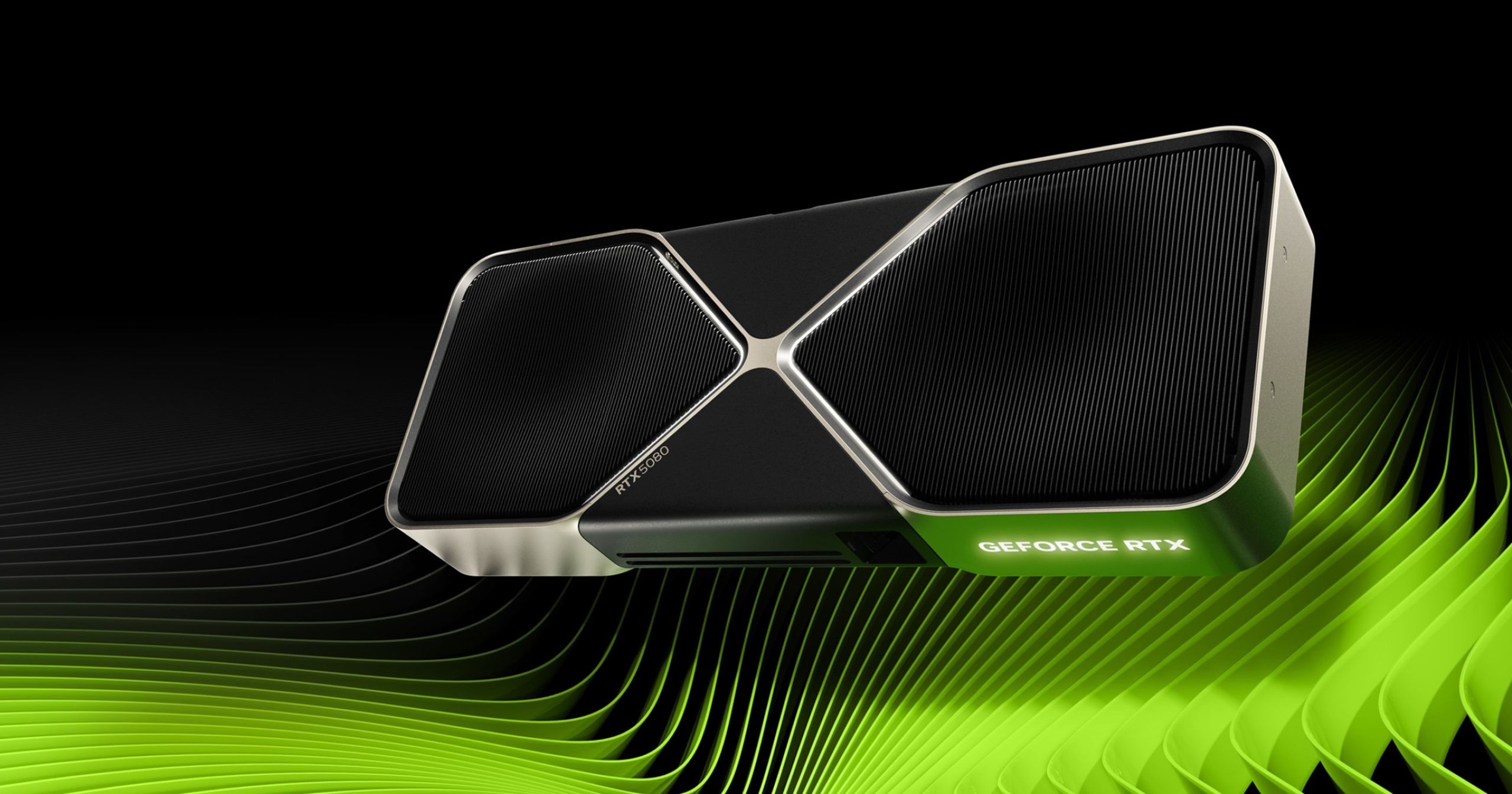
Modders have reportedly upgraded Nvidia RTX 5080 cards from 16GB to 32GB of GDDR7—likely by adding additional memory chips—enabling these consumer GPUs to run AI workloads comparable to 32GB RTX 5090 cards (albeit slower) and allowing systems to hold up to 128GB of VRAM with four cards. The practice could shift RTX 5080 inventory toward AI-focused buyers, exacerbating supply tightness amid a DRAM shortage that drove memory prices ~246% higher in 2025 and limiting GDDR7 availability, which may pressure GPU and memory pricing and product availability until official refreshed SKUs arrive.
Market structure: Memory vendors (Micron MU, Samsung) and specialist GPU refurbishers are the immediate beneficiaries — scarce GDDR7 (DRAM +246% in 2025) gives suppliers pricing power and supports spot memory prices into 2026. Winners also include retailers able to capture arbitrage on 16GB→32GB mods; losers are marginal workstation OEM SKUs and some gamers facing retail 5080 shortages and 10–40% short-term price uplifts on 16GB+ cards.
Risk assessment: Tail risks include regulatory/IP enforcement or Nvidia firmware locks that disable mods, or a component supply shock (GDDR7 embargo or factory outage) that spikes costs — low probability but could move prices >30% in weeks. Near term (days–months) expect volatile secondary-market pricing; medium-term (quarters) the key dependency is memory IC availability and official NVidia product roadmap (Super refresh timing) which can reverse the arbitrage.
Trade implications: Tactical plays should favor DRAM suppliers and hedged Nvidia exposure: memory equities/call options to capture margin expansion; capped NVDA upside via 6–9 month call spreads to limit cost while retaining AI upside; selectively short small-cap server integrators (e.g., SMCI) where modular DIY GPU rigs could shave SMB demand over 3–12 months. Use option hedges (short-dated puts) to protect against firmware/regulatory shocks.
Contrarian view: The market underestimates scale constraints — modding is unlikely to replace certified datacenter purchases, so broad enterprise NVIDIA demand remains intact; historical parallel is the 2017–18 crypto GPU squeeze: secondary spikes then normalization. Unintended consequences include Nvidia accelerating product segmentation (more expensive certified cards), which would boost NVDA ASPs and memory supplier margins over 2–4 quarters.
AI-powered research, real-time alerts, and portfolio analytics for institutional investors.
Request DemoOverall Sentiment
mildly negative
Sentiment Score
-0.25
Ticker Sentiment
