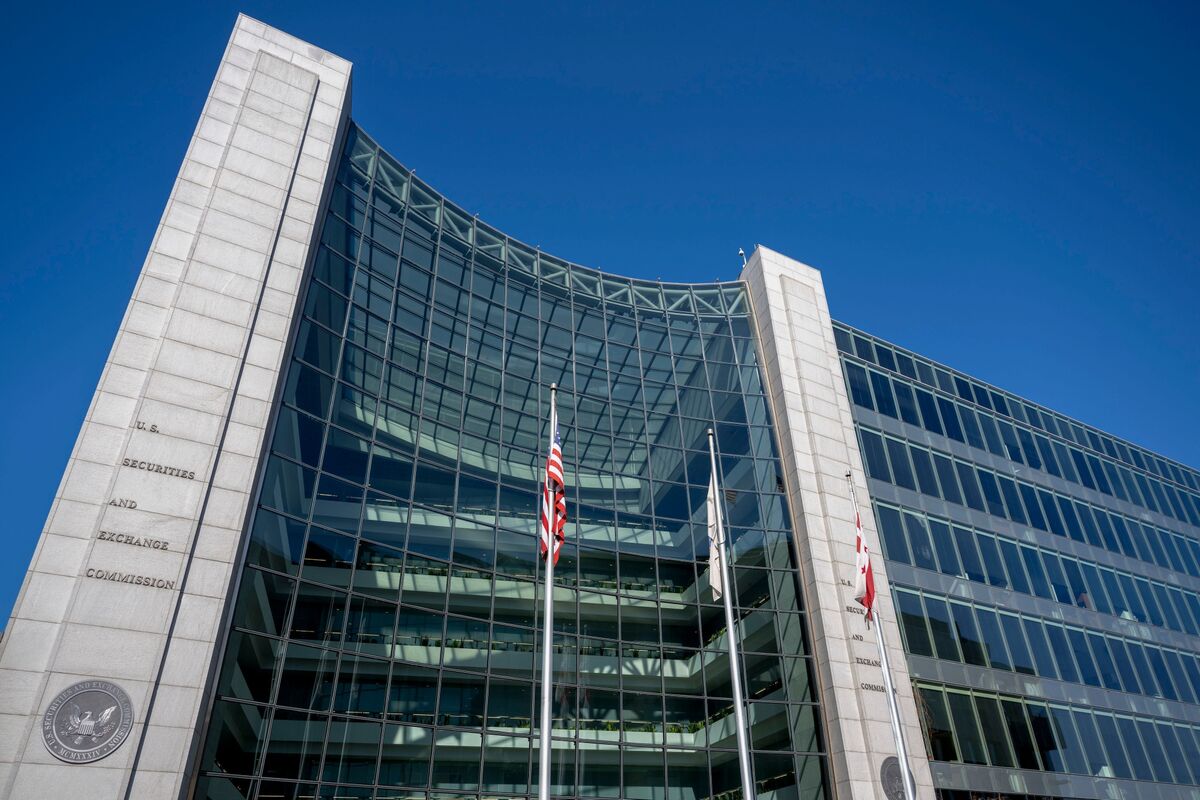
The article highlights the SEC’s move to oppose shareholder proposals and situates that development amid broader market themes—Fannie/Freddie positioning, meme-stock behavior and niche asset signals—while drawing on the author’s experience handling 14a-8 no-action requests. The author argues the 14a-8 process is bureaucratic and that shareholder voting is largely symbolic rather than a reliable driver of material corporate change. For institutional investors, the piece implies regulatory pushback will likely limit the practical teeth of proxy activism, though symbolic and reputational effects could still influence governance outcomes and market narratives.
The article reports the SEC has moved to oppose shareholder proposals, contextualizing that development alongside market anecdotes such as the Fannie/Freddie trade, meme-stock flows and niche signals like Birkin warehouse receipts, while the author draws on direct experience handling 14a-8 no-action letter requests. The writer characterizes the 14a-8 process as bureaucratic and argues shareholder voting is largely symbolic rather than a reliable mechanism for driving material corporate change. Market-sentiment signals included with the piece show a negative tone (sentiment score -0.35) but a limited headline market-impact score (0.12), implying regulatory shifts are noteworthy for governance strategy even if they may not immediately move markets. The practical consequence for investors is that regulatory pushback is likely to reduce the effectiveness of proxy proposals as a primary activism tool, elevating the importance of reputational effects, public campaigns and legal routes as alternative levers against companies, and suggesting governance developments should be monitored as catalysts rather than guaranteed value drivers.
AI-powered research, real-time alerts, and portfolio analytics for institutional investors.
Overall Sentiment
Negative
Sentiment Score
-0.35
