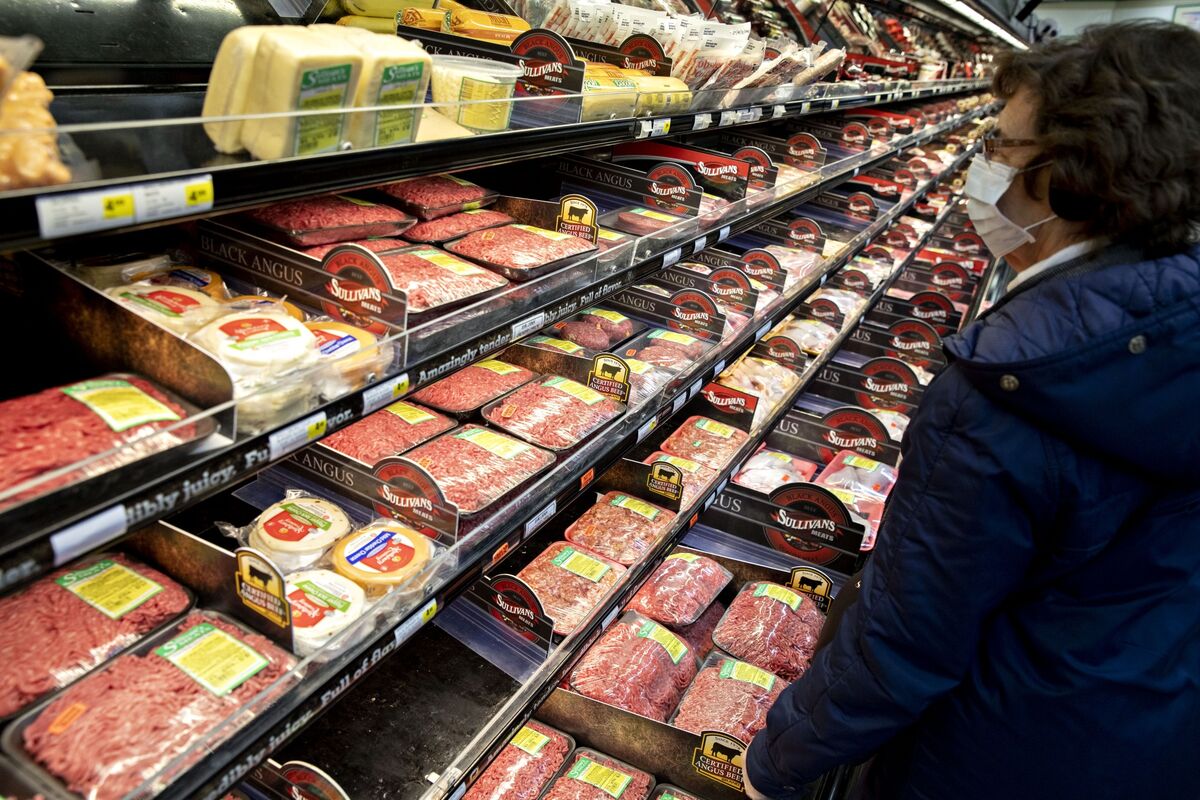
US inflation rose to 3%, marking its highest level since President Trump took office, a development attributed to the ongoing trade war. The trade conflict further escalated with the abrupt cancellation of talks with Ottawa, indicating potential for continued upward pressure on consumer prices.
US inflation has risen to 3%, marking its highest point since President Trump took office, a development directly linked to the ongoing trade war. This increase in consumer prices suggests a tangible impact on purchasing power and corporate input costs. The 3% figure represents a critical macroeconomic indicator requiring close attention.
The trade conflict escalated further with the abrupt cancellation of talks with Ottawa, signaling a deepening of international trade tensions. This political friction, driven by tariff disputes, implies continued upward pressure on consumer prices and potential supply chain disruptions. Such developments introduce significant uncertainty into the economic outlook.
The overall sentiment is moderately negative with a pessimistic tone, and a market impact score of 0.65, indicating substantial investor concern. This inflation, rooted in trade policy, affects themes like supply chains and economic data, suggesting broad economic ramifications. Investors should recognize the interplay between geopolitical actions and domestic economic stability.
AI-powered research, real-time alerts, and portfolio analytics for institutional investors.
Request DemoOverall Sentiment
moderately negative
Sentiment Score
-0.50
