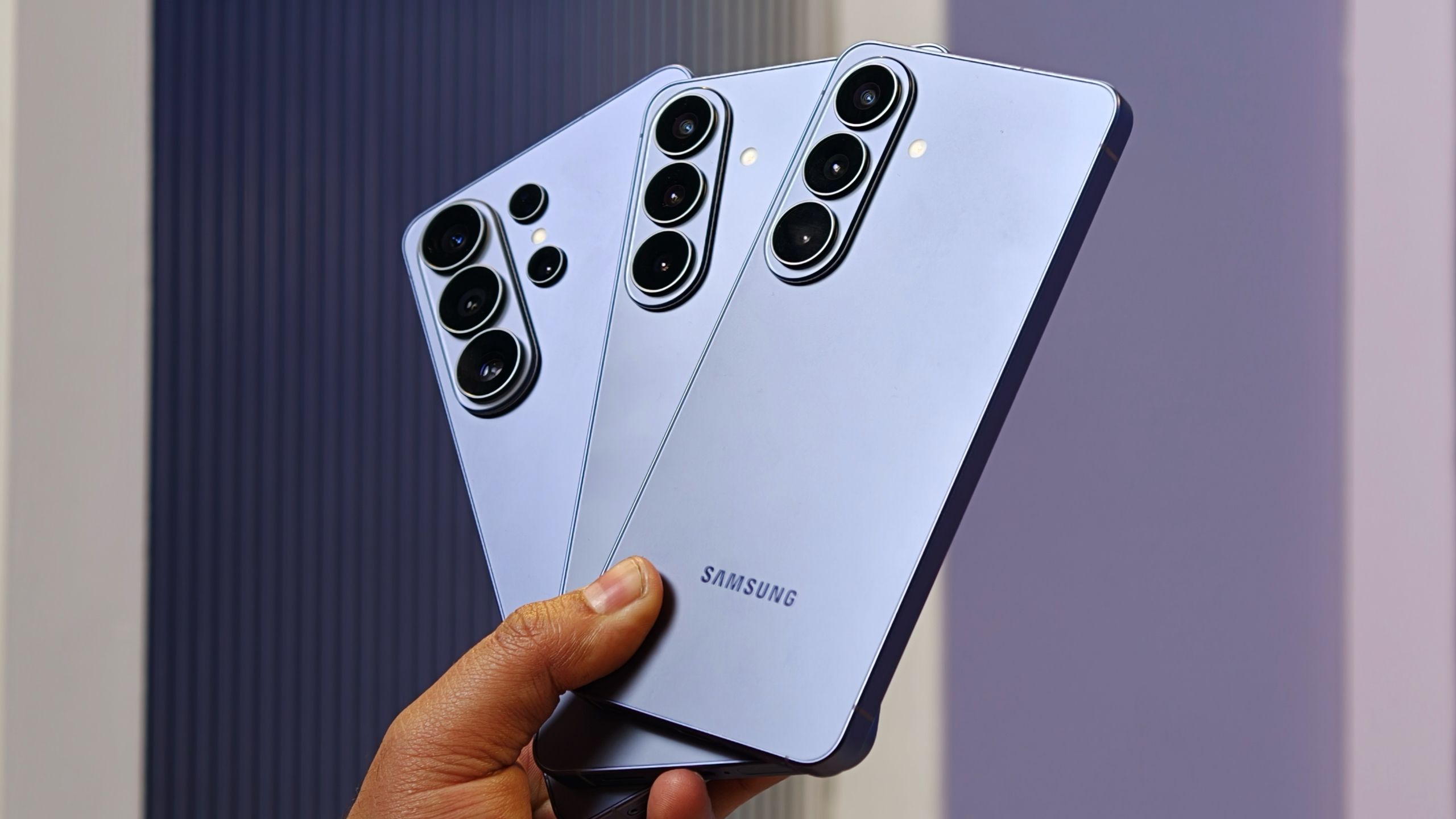
Samsung is reportedly planning to expand the Galaxy S27 lineup to four models by adding a new 'Pro' variant next year. The S27 Pro is said to pack Ultra-level features in a smaller form factor but without the S Pen, and may inherit the S26 Ultra's Privacy Display; this positions Samsung to compete with smaller Pro-sized iPhones. The move could be a pricing strategy amid rising memory and component costs, giving Samsung room to further premiumize the Ultra model. News is preliminary and based on leaks, so short-term market impact on Samsung shares is likely limited.
An OEM adding a distinct mid-premium flagship SKU materially changes margin mix without needing unit growth: moving 10-15% of flagship buyers into a higher‑content but smaller form factor can raise portfolio ASPs by ~5-8% and push incremental gross margin by 200–400bps within 12–18 months. That dynamic favors suppliers of high-value components (advanced image sensors, high-PPI OLED backplanes, optical films and cover glass) more than commodity BOM providers — content per unit rises even if volumes stay flat.
Supply-chain timing creates actionable lead indicators: panel and sensor manufacturers must book capacity 6–9 months ahead of SKU launches, while memory and flash procurement often moves in 3–6 month windows — so early bookings or BOM shift announcements are high‑conviction catalysts. Conversely, a rapid drop in spot DRAM/NAND prices or a macro demand shock can reverse the mix benefit within a single quarter, compressing the thesis quickly.
Strategically, the move amplifies competitive pressure on incumbents that monetize via accessory ecosystems or software lock‑in: smaller premium phones with flagship hardware reduce upgrade friction for consumers who previously stayed with a flagship ecosystem for size reasons, opening modest share opportunities for any OEM that executes ergonomics and camera experience better than peers. Regulatory and production risk are second-order but meaningful: new optical/privacy layers and denser camera stacks increase supplier concentration and single‑source risk, which can magnify profit swings if yields slip.
Net: position for a 6–18 month cycle favoring high-content hardware suppliers and memory vendors, watch supplier booking flows and spot memory prices as primary trade triggers, and size positions to account for a ~25–40% probability of launch delays or demand softness that would negate short-term upside.
AI-powered research, real-time alerts, and portfolio analytics for institutional investors.
Request DemoOverall Sentiment
mildly positive
Sentiment Score
0.20
