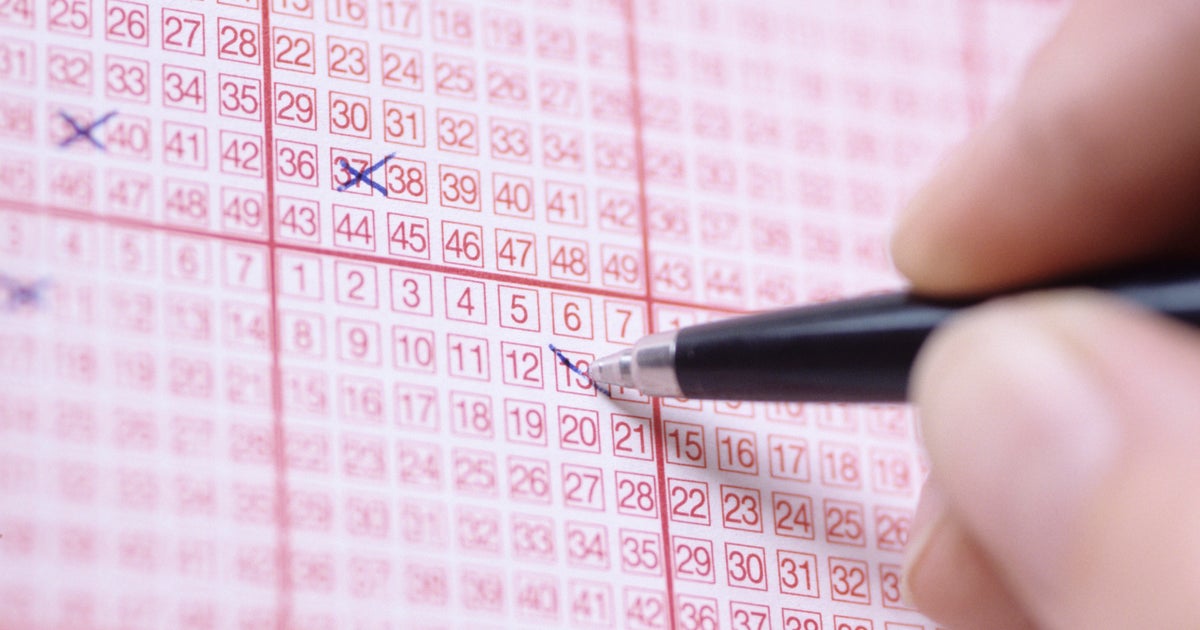
U.S. lottery jackpots have surged in recent years — Powerball’s record $2.04 billion (Nov. 7, 2022) and Mega Millions’ $1.602 billion (Aug. 8, 2023) are emblematic, with 12 of the 20 largest jackpots occurring since 2023 — as game redesigns and price hikes have increased prize pools and changed odds. Structural changes (Powerball’s 2015 mix change increased jackpot odds from 1 in 175.2 million to 1 in 292.2 million while improving overall odds to 1 in 24.9; Mega Millions’ 2025 tweaks raised the starting jackpot to $50 million, reduced Mega Balls from 25 to 24 improving jackpot odds to 1 in 290.5 million and overall odds to 1 in 23) and higher ticket prices (Powerball $1→$2 in 2012; Mega Millions $1→$2 in 2017 and $2→$5 in April) have concurrently boosted non-jackpot payouts (roughly $531 million paid in 70 drawings versus an $119.8 million old-game equivalent, a 343% increase) and state/operator revenue potential. Although the probability of winning a top prize remains extremely low, these changes have concentrated bigger jackpots and altered the revenue and prize-distribution dynamics important to investors assessing lottery-driven cash flows.
U.S. lottery jackpots have materially grown over the last decade, with Powerball's record $2.04 billion prize on Nov. 7, 2022 and Mega Millions' $1.602 billion prize on Aug. 8, 2023; 12 of the 20 largest jackpots have occurred since 2023. Ticket-price increases (Powerball $1-> $2 in 2012; Mega Millions $1-> $2 in 2017 and $2-> $5 in April 2025) have increased the amount of money in play per drawing.
Game redesigns have altered the risk/reward profile: Powerball's 2015 change (white balls 59->69, red 35->26) worsened jackpot odds from 1 in 175.2 million to 1 in 292.2 million while improving overall odds from 1 in 31.85 to 1 in 24.9. Mega Millions' 2025 changes (starting jackpot $50M vs $20M; Mega Balls 25->24) improved jackpot odds from 1 in 302.6 million to 1 in 290.5 million and overall odds from 1 in 24 to 1 in 23.
The new Mega Millions multiplier has materially increased non-jackpot payouts (players won $531 million in 70 drawings vs an estimated $119.8 million under the old rules, a 343% uplift), which should raise player utility and near-term sales but also concentrates larger jackpots and revenue volatility for operators; odds of top prizes remain extremely low, preserving asymmetric ticket-purchase behavior but exposing state revenues to episodic swings and potential regulatory scrutiny.
AI-powered research, real-time alerts, and portfolio analytics for institutional investors.
Request DemoOverall Sentiment
mixed
Sentiment Score
0.00
