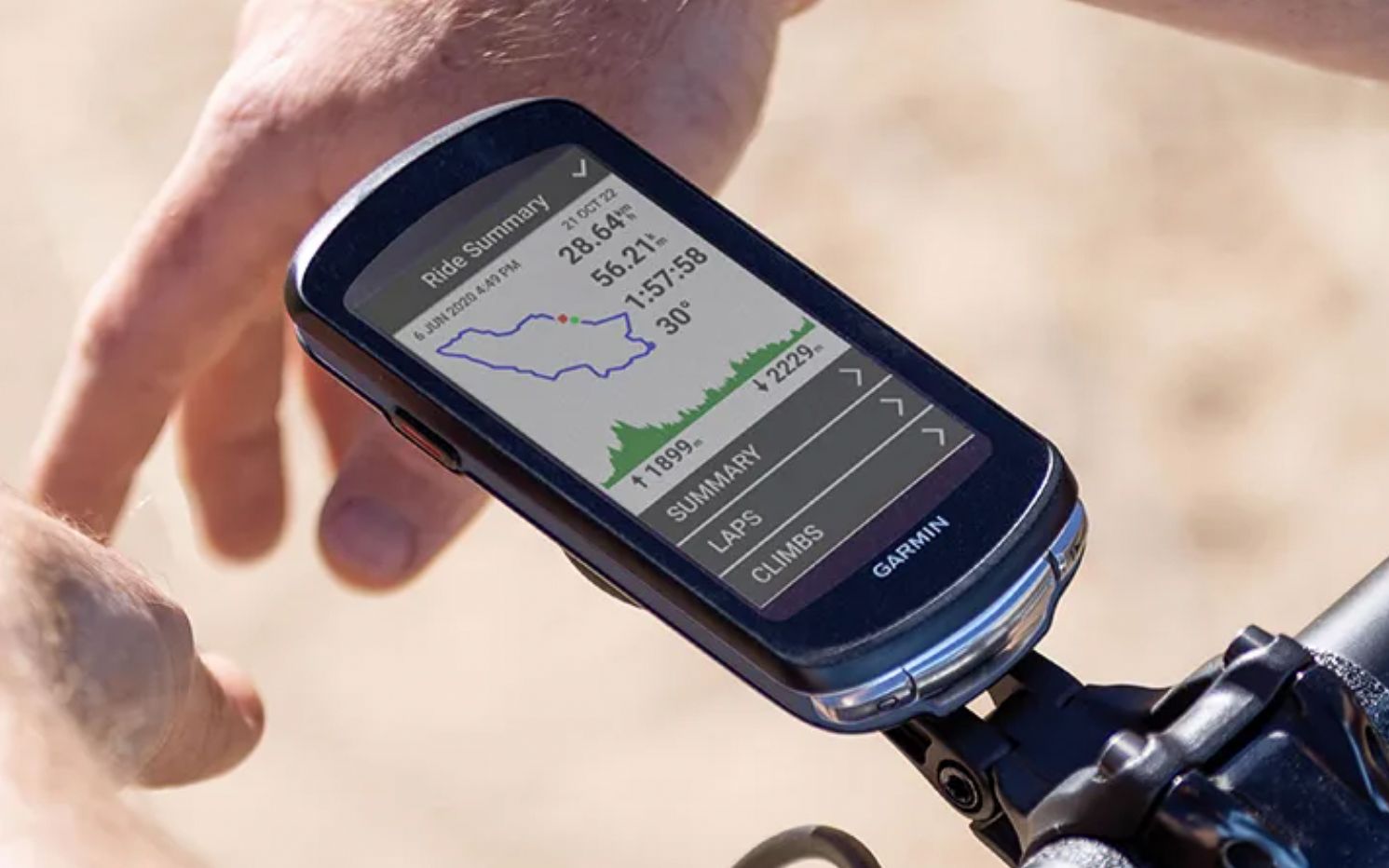
Amazon Spring Sale running through March 31 is featuring Garmin GPS device discounts—examples include the Edge Explore 2 at $229 (save $70), the solar-powered Edge 1040 Solar at $599.99 (20% off, save $150), and the new Edge MTB at $299.99 (save $100, lowest-ever price). These are consumer-facing promotional price cuts across Garmin’s cycling tech range and may boost short-term retail demand but are unlikely to affect Garmin’s or Amazon’s broader market fundamentals.
A wave of retail promotions on a dominant marketplace is acting like a high-velocity customer acquisition channel for niche sporting-tech brands, accelerating device activations and accessory attach rates in the near term. For a vertically integrated device maker, that inflow should lift recurring-service conversion and accessories revenue over 2-4 quarters, but only if channel inventory turns and post-promo full-price sell-through reaccelerate. There is a non-obvious inventory timing risk: heavy promotion can clear last-cycle inventory and depress used-device pricing, shortening replacement cycles and creating a transient boost that may not sustainably lift ASPs beyond 6–12 months.
At the platform level, the marketplace benefits from increased traffic but captures most of the promotional economics; its margin profile is only marginally helped unless higher-margin services convert materially. Competitors who rely less on the dominant marketplace or who control direct channels could see a second-order benefit as consumers evaluate software ecosystems and subscriptions, not just hardware price. Supply-chain read-throughs are subtle — a quick inventory drawdown reduces near-term working capital but may prompt conservative reorders, creating a 2–3 quarter window where OEM production guidance could surprise to the upside if demand proves sticky.
The consensus under-weights the services attach-rate as the real lever: a +200–400bp improvement in device-to-service conversion sustained over 12 months can move operating margins materially for a mid-cap consumer-tech name. The main reversal risks are promotional cadence becoming the expectation (permanent ASP compression) and a failed new-product cycle, which would expose inventory markdowns and higher returns. Time horizons matter: expect most visible P&L effects in the next 2–12 months, with durable margin impact only visible after 12 months if subscription cohorts stick.
AI-powered research, real-time alerts, and portfolio analytics for institutional investors.
Request DemoOverall Sentiment
mildly positive
Sentiment Score
0.20
Ticker Sentiment
