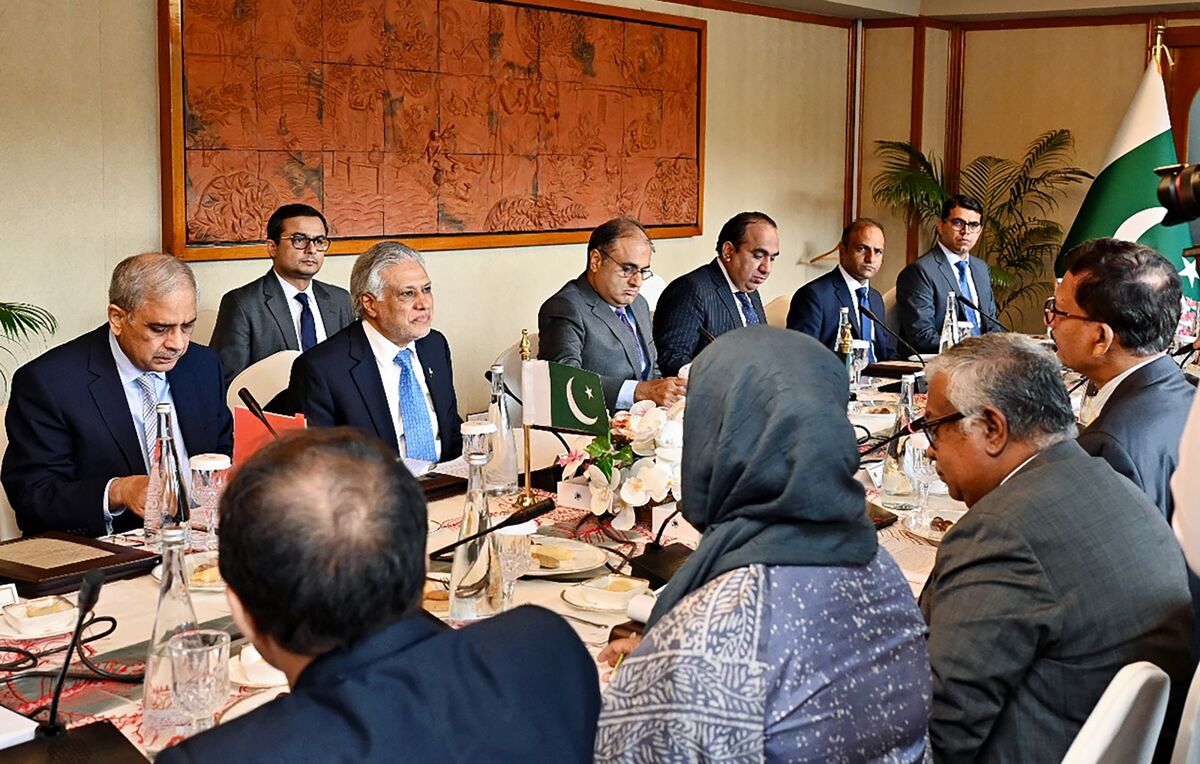
Pakistan and Bangladesh have committed to enhancing bilateral trade, investment, and connectivity following a rare meeting, the first by Pakistan's top diplomat in 13 years. This rapprochement, which also included lifting visa restrictions for officials, signals a significant step towards improved economic ties and regional stability between the two South Asian nations.
A significant geopolitical development is unfolding in South Asia, with Pakistan and Bangladesh holding their first high-level bilateral meeting in 13 years. This signals a notable thaw in relations between two nations with a history of conflict. The immediate outcomes, including the lifting of visa restrictions for officials and a Pakistani scholarship program for Bangladeshi students, are tangible steps toward normalization. More critically for investors, both nations have formally committed to enhancing bilateral trade, investment, and connectivity. Given the historical context, this rapprochement could represent a foundational step toward de-risking the region and unlocking latent economic potential. While the market impact is currently assessed as low, the improved diplomatic framework could create long-term opportunities by reducing cross-border friction and fostering a more predictable environment for capital deployment in these emerging markets.
AI-powered research, real-time alerts, and portfolio analytics for institutional investors.
Request DemoOverall Sentiment
moderately positive
Sentiment Score
0.45
