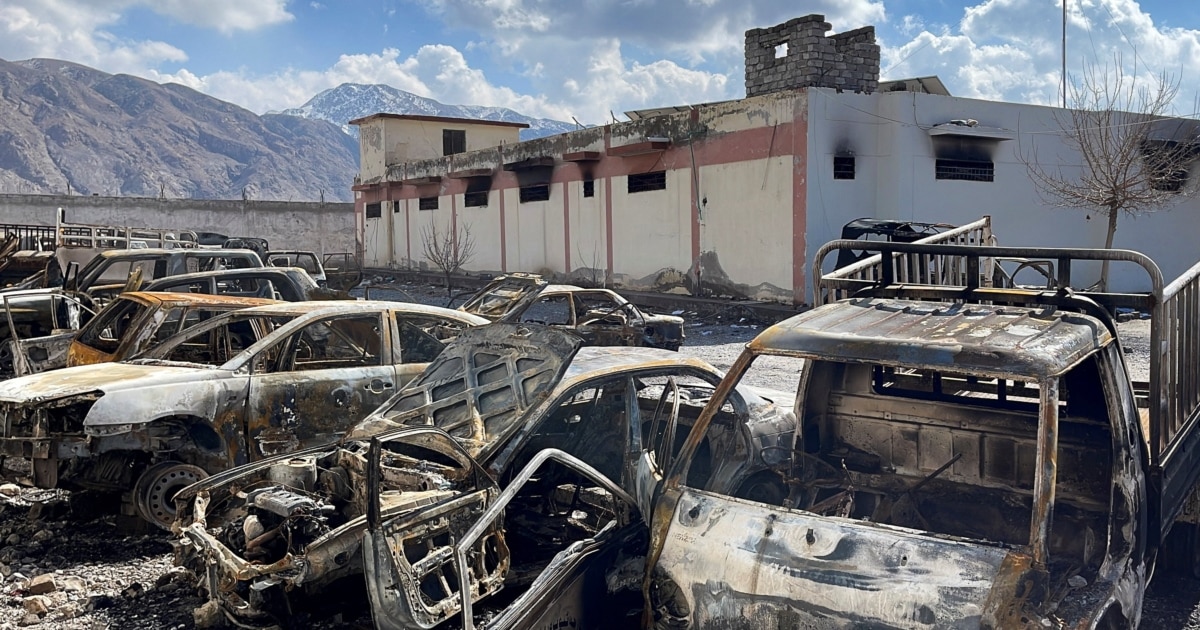
On January 31 the Baloch Liberation Army launched the largest-coordinated assault in Balochistan’s insurgency history, striking police, military sites and banks across the province; Pakistani authorities reported at least 30 civilians and 18 soldiers killed and said over 170 BLA fighters were killed, while insurgents claimed they killed over 200 security personnel. Security forces retook Nushki on Feb. 4 using drones and helicopters amid an internet shutdown, underscoring a marked escalation from guerrilla attacks to complex, suicide and IED operations; analysts warn the group — several thousand strong and U.S.-designated — may have acquired sophisticated weaponry left after international forces left Afghanistan. The surge heightens political risk for Pakistan, threatens investment and resource projects in the mineral-rich province, and is likely to raise security costs and risk premia for investors with exposure to Pakistan and regional infrastructure or commodity-linked assets.
Market structure: Immediate winners are safe-haven assets (USD, gold) and short-duration US Treasuries as EM risk-off flows accelerate; direct losers are Pakistan sovereign bonds, PKR, Pakistan equities and contractors with CPEC exposure (near-term capital and insurance costs rise). Infrastructure and mining projects in Balochistan will face higher operating risk and financing spreads; expect Pakistan sovereign 5y CDS to widen 200–400bps and USD bond yields to rise similarly over 1–3 months if attacks continue.
Risk assessment: Tail risks include a larger regional incident (attack on Gwadar/CPEC assets) that draws Chinese security involvement or interrupts trade, which could push sovereign stress into default territory; probability low-medium but impact high (sovereign yields >12%, CDS >800bps) within 3–12 months. Near-term (days–weeks) expect volatility spikes, internet/data blackouts and capital flight; long-term (1–3 years) the structural political grievance raises project capex premiums and insurance levies 100–300bps.
Trade implications: Tactical positioning should reduce idiosyncratic Pakistan exposure, buy macro hedges and allocate relative-value into resilient EMs. Implement FX/credit hedges (short PKR via forwards or buy Pakistan 5y CDS), overweight India (INDA) vs broad EM (EEM), and hold 1–2% portfolio in GLD as a tail hedge; avoid direct long positions in miners/infrastructure with Pakistan operations until security/legal clarity (3–6 months).
Contrarian angles: The market may overshoot sovereign risk — if 5y Pakistan USD yields exceed 12% or CDS >800bps, the carry-to-default trade becomes attractive for opportunistic buyers; similarly, beaten-down project juniors with secured concessions could be takeover targets once security stabilizes (12–36 months). Watch Chinese political signals: Beijing underwriting security for CPEC would materially tighten spreads and create sharp reversals.
AI-powered research, real-time alerts, and portfolio analytics for institutional investors.
Request DemoOverall Sentiment
strongly negative
Sentiment Score
-0.70
