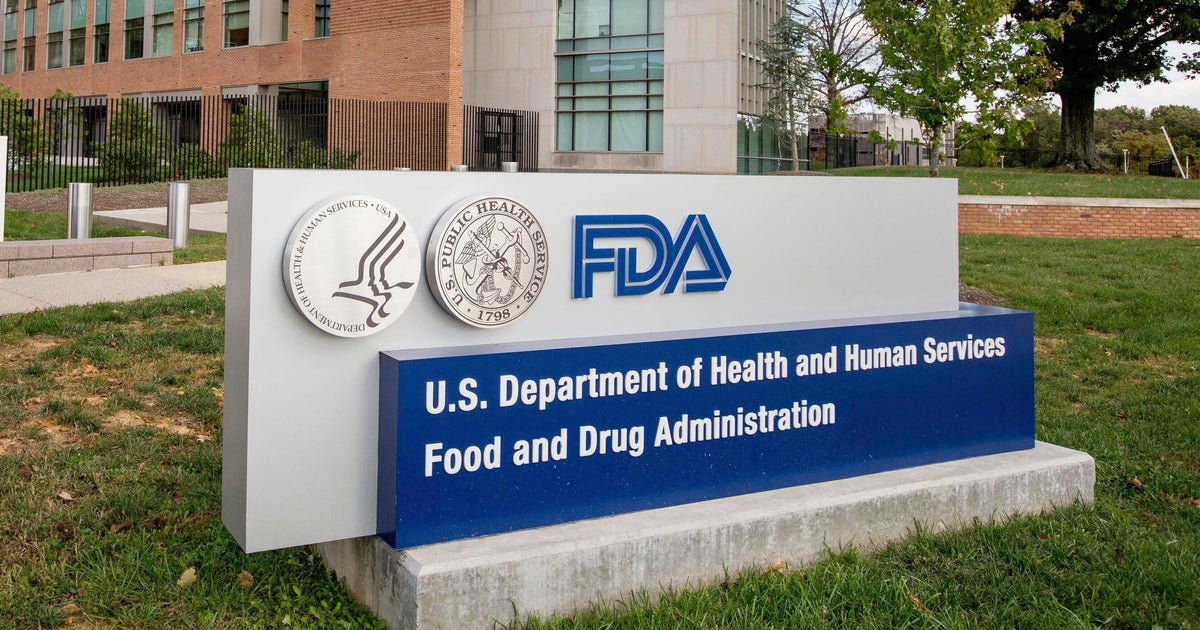
FDA CBER chief Vinay Prasad circulated an internal memo asserting VAERS-linked pediatric deaths (he cited “at least 10” and an internal memo ranged zero–seven) and proposing a sweeping overhaul of vaccine approval standards — removing reliance on immune markers and demanding large placebo-controlled trials measuring hospitalizations and deaths. Twelve former FDA commissioners warned in a Dec. 3 NEJM letter that the changes could slow vaccine updates, raise development costs, reduce market participation, and erode public trust, creating regulatory and execution risk for vaccine and broader biotech equities reliant on rapid respiratory-virus updates.
Market structure: The FDA upheaval raises regulatory friction that disproportionately hurts small, vaccine‑dependent biotechs (e.g., NVAX, small mRNA challengers) while benefiting large diversified pharmas (PFE, MRK, SNY) and contract service providers (IQV, ICLR, TMO) that can absorb longer, costlier trials. Requiring large placebo endpoints would raise development costs by an estimated 2x–5x for vaccine updates and slow cadence for respiratory vaccines, concentrating market share with incumbents and outsourced manufacturers.
Risk assessment: Tail risks include a US pathway effectively closed for rapid vaccine updates (1–3 year impact), litigation/reputational losses causing 10–40% demand erosion in pediatric lines, or conversely a quick policy rollback if HHS/FDA leadership is pressured (weeks–months). Hidden dependencies: BARDA/B7A federal contracts and non‑US regulators (EMA) could decouple US vs global launch timelines, shifting where revenues are realized.
Trade implications: Tactical trades should favor long CROs and manufacturing exposure (IQV, ICLR, TMO) and underweight or hedge pure vaccine plays (NVAX, MRNA) for 3–12 months; expect elevated IV in small biotech options and modest widening in pharma credit spreads (~10–50bp). Catalysts to watch that will move positions: HHS document release (30–60 days), NEJM/ congressional hearings, and FDA personnel changes.
Contrarian view: The market may overprice permanent regulatory paralysis; historically (e.g., 1976 swine flu) controversies triggered temporary disruption but pipeline adaptation and offshoring led to recovery in 12–36 months. An overlooked outcome: US tightening benefits non‑US producers and CROs conducting trials abroad — consider selectively long SNY/GSK ADR exposure as a hedge to US‑centric risk.
AI-powered research, real-time alerts, and portfolio analytics for institutional investors.
Request DemoOverall Sentiment
moderately negative
Sentiment Score
-0.35
