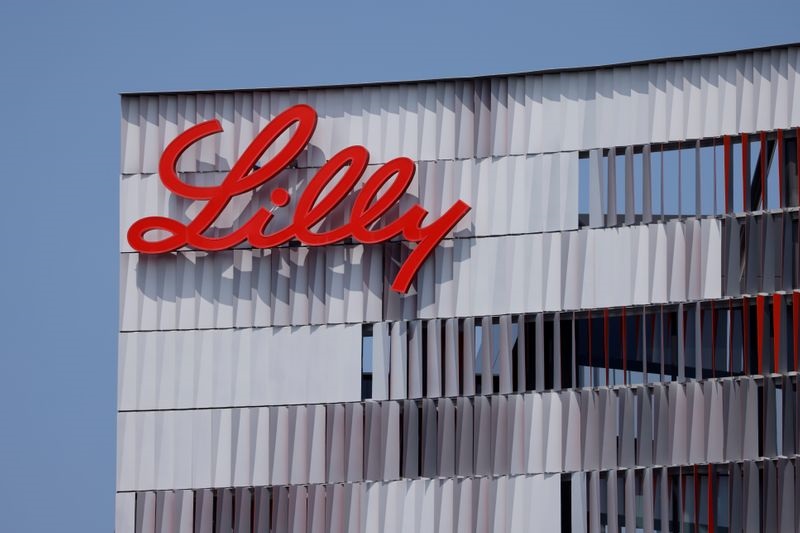
Eli Lilly agreed to acquire Centessa Pharmaceuticals for up to $7.8B — $38/share cash upfront (~$6.3B) plus a non-transferable contingent value right of up to $9/share tied to regulatory milestones, a 40.5% premium to Centessa's 30-day VWAP. The deal gives Lilly Centessa’s OX2R agonist pipeline, including cleminorexton for narcolepsy and idiopathic hypersomnia, and is expected to close in Q3. Centessa shares surged more than 46% premarket; the acquisition materially strengthens Lilly’s neuroscience franchise and is strategically meaningful for the biotech sector.
The strategic validation of orexin-targeted CNS programs by a major acquirer will function as a sector-level re-rating catalyst: expect a near-term bid for adjacent biotech names with orexin or sleep-disorder programs and a multi-quarter expansion in M&A multiples for specialty neuroscience assets. Downstream beneficiaries include CMOs and specialty API suppliers with CNS formulation experience, and larger pharma R&D groups that can absorb expensive phase 2→3 risk; conversely, incumbent symptomatic therapies (off-patent stimulants and wake-promoting agents) face long-range demand erosion and potential pricing pressure as novel mechanism therapies enter formularies.
Primary program risk remains clinical and regulatory — subjective endpoints, heterogeneous patient populations, and neuropsychiatric safety signals can materially delay approval and payment milestones, turning contingent value into a write-off over 12–36 months. Integration and prioritization risk is non-trivial: large acquirers routinely re-scope portfolios, deprioritizing indications or candidates that don’t fit strategic plans, which can compress expected synergies and push out commercialization by 18–36 months.
Market reaction will bifurcate: the target’s equity pop is already pricing near-certain deal closure while the acquirer’s stock will only slowly reflect realized R&D value as trial readouts arrive. That dynamic creates exploitable windows — harvest stretched target gains immediately and structure asymmetric optionality on the acquirer to capture long-dated, program-driven upside while capping downside from near-term market noise.
AI-powered research, real-time alerts, and portfolio analytics for institutional investors.
Overall Sentiment
strongly positive
Sentiment Score
0.75
Ticker Sentiment
