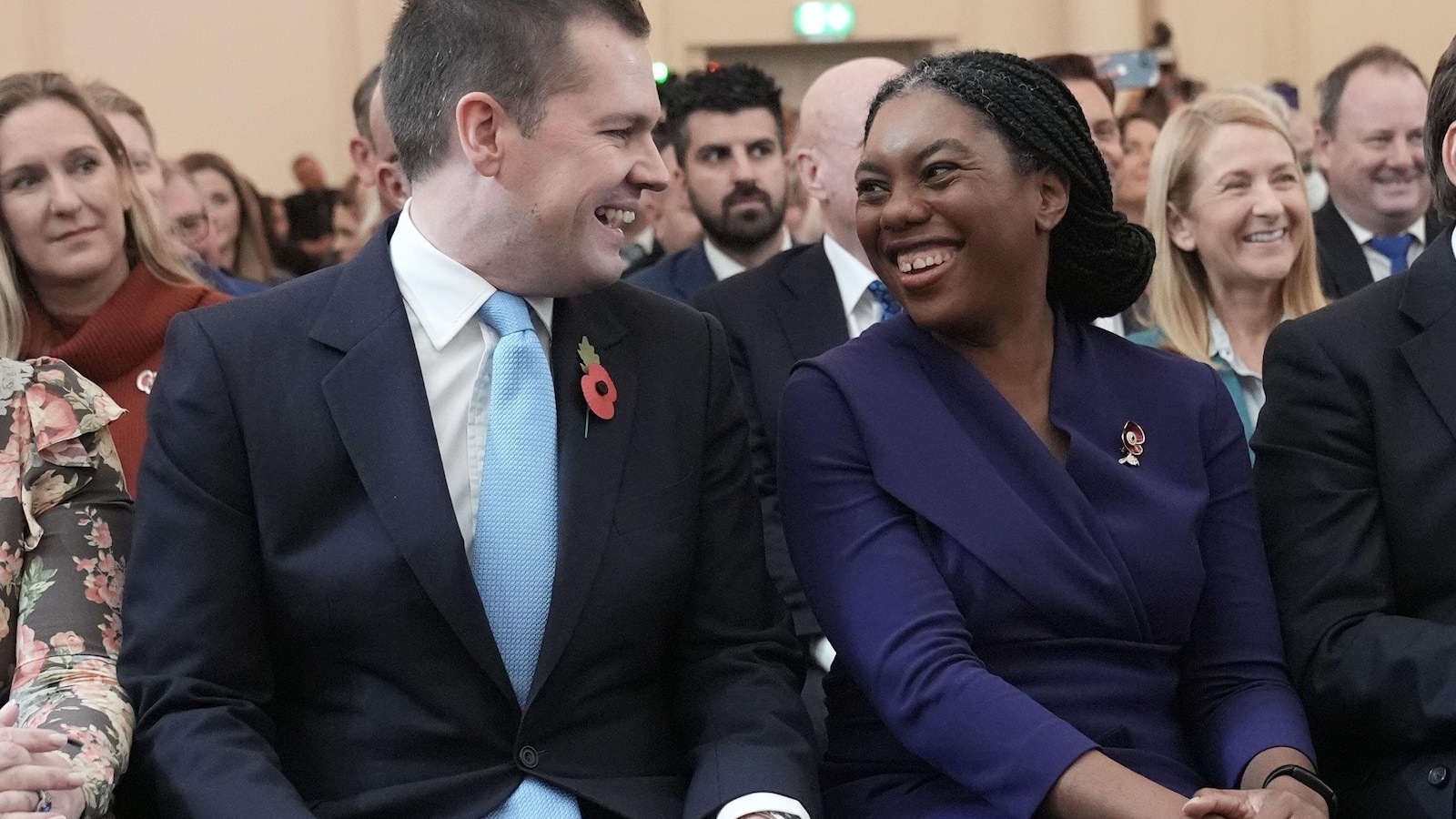
Conservative leader Kemi Badenoch dismissed her party's justice spokesperson Robert Jenrick, expelled him from the parliamentary party and suspended his membership after citing 'irrefutable evidence' he was secretly plotting to defect in a way designed to damage the party. The move highlights ongoing instability within the Conservatives and the threat posed by Reform UK, which has attracted a stream of Tory defectors and leads in some polls, complicating the opposition's positioning ahead of the next general election. For investors, the development underscores persistent political risk in the UK but is unlikely to produce an immediate material market move absent broader government or fiscal implications.
Market structure: A splintering Conservative base benefits Reform UK politically and strengthens demand for hard-right policy bets (immigration, border security, contract awards). Financially expect GBP to weaken 1–3% on renewed political risk and UK 10y gilt yields to rise 10–30 bps in the first 1–6 weeks as risk premia reprices; FTSE 250/domestic‑facing names will underperform FTSE 100 exporters (commodity miners, multi‑nationals). Cross‑asset, short‑term volatility likely to lift FX and gilt implied vols, while oil and gold could tick higher on safe‑haven flows and weaker sterling support for commodity prices denominated in dollars.
Risk assessment: Tail risks include rapid cascade of defections triggering a confidence vote or early election (low probability but high impact — sovereign risk spike +50–150 bps). Immediate (days): knee‑jerk FX/gilt moves; short (weeks/months): polling-driven repositioning and by‑election shocks; long (quarters/years): potential policy changes (tax cuts or stricter immigration) that reprice corporate earnings and public spending. Hidden deps: corporate contractors to Home Office/border infrastructure and pension funds’ gilt duration exposure amplify market moves.
Trade implications: Tactical plays: short GBP via 1‑3 month put spreads (target 1–3% downside); short UK 10y gilt futures for a 10–30 bps yield pickup; long FTSE 100 exporters (RIO.L, BHP.L) and short domestic retailers (NXT.L) in 3–6 month window. Use options to buy protection (GBP put spreads, long gilt volatility) sized 1–3% portfolio risk; prefer pair trades to isolate FX vs domestic demand risk.
Contrarian angles: Consensus overstates Reform’s seat conversion under FPTP — political polling is noisy and a consolidating Badenoch could reduce volatility; if polls stabilize, expect 2–6% mean reversion in GBP and 10–20 bps gilt rally. Historical parallels (2019 Tory turbulence) show initial panic then normalization; consider small, time‑limited mean‑reversion buys (GBP call spreads, long domestic cyclicals on >5% price drops) as hedged contrarian plays.
AI-powered research, real-time alerts, and portfolio analytics for institutional investors.
Request DemoOverall Sentiment
mildly negative
Sentiment Score
-0.25
