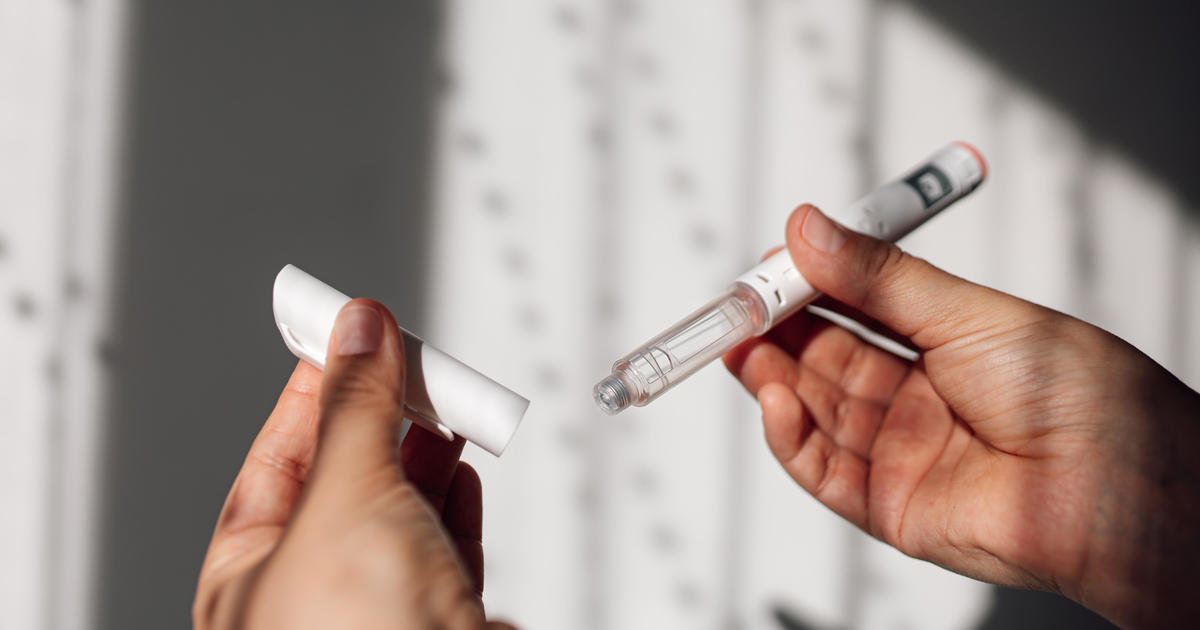
The World Health Organization issued conditional guidance endorsing GLP-1 therapies for long-term treatment of obesity in adults (excluding pregnant women) and recommends these drugs be paired with intensive behavioral therapy; both recommendations are labeled conditional due to limited long-term safety/efficacy data and low‑certainty evidence. WHO called for urgent action on manufacturing, affordability and system readiness, noting GLP-1s were added to its Essential Medicines List for high‑risk type 2 diabetes in September, that obesity affects over 1 billion people and was linked to 3.7 million deaths last year, and projecting fewer than 10% of eligible people will be reached by 2030. The guidance legitimizes wider clinical use (potentially expanding addressable markets for makers of brands such as Ozempic, Mounjaro, Wegovy and Zepbound) but flags cost, supply and evidence constraints that could limit near-term market uptake.
Market structure: WHO's endorsement formalizes demand-side legitimacy for chronic GLP-1 use, concentrating near-term economic upside with leaders Novo Nordisk (NVO) and Eli Lilly (LLY) plus CDMOs (Catalent CTLT, Lonza) and specialty pharmacies. Pricing power will remain strong in H1–H2 2026 due to peptide API and fill/finish constraints, but WHO's call for manufacturing scale-up implies meaningful supply-led margin compression by 2028–2030; WHO itself projects <10% reach by 2030, signaling massive unmet demand but constrained monetization near term.
Risk assessment: Tail risks include an FDA/EMA safety scare or payer-driven price caps that could cut realized price by >30% and wipe off 30–50% of forward market cap for premium-priced leaders; biosimilar/peptide copy timelines (patent/legal) could start pressuring prices 3–5 years out. Immediate (days) volatility likely on headlines; short-term (weeks–months) driven by supply deals and earnings commentary; long-term (years) dominated by reimbursement policy and biosimilar entry. Hidden dependencies: peptide API supply, cold-chain logistics, and government procurement programs — monitor CDMO order books and containerized peptide availability.
Trade implications: Tactical: establish 2–3% long positions in NVO and LLY to capture 12–36 month secular uptake, implemented via 6–12 month call spreads to cap premium; add 1–2% long CTLT to play manufacturing demand with 9–12 month calls. Relative value: pair long NVO (NVO) vs short WW International (WW) 0.5–1%, expected secular share loss for lifestyle-weight management providers. Defensive short: consider 0.5–1% short positions in elective bariatric clinic roll-ups if multiples re-rate on GLP-1 adoption.
Contrarian angles: Consensus underestimates payer pushback — if Medicaid/European formularies drive steeper discounts (>25%) adoption economics change; adoption will be skewed to HNW/high-insurance cohorts, not broad population, slowing peak penetration. Historical parallel: statins/SGLT2 class saw fast clinical adoption then price erosion with generics; plan exits at concrete triggers (payer price cuts >25%, adverse safety signal) to avoid multi-year margin compression.
AI-powered research, real-time alerts, and portfolio analytics for institutional investors.
Request DemoOverall Sentiment
mildly positive
Sentiment Score
0.25
