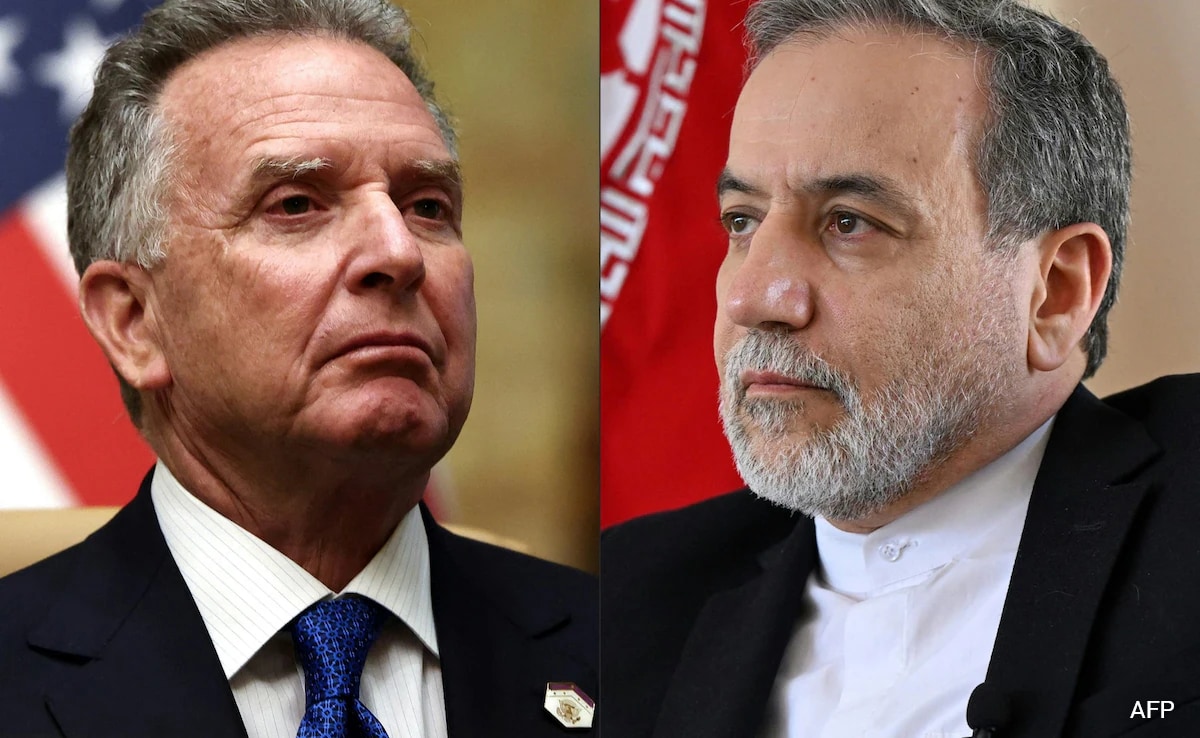
Iran maintains a chokehold on the Strait of Hormuz—which carries about 20% of global oil flows—after a month of strikes, boosting oil price risk premia and shaking equity markets. Iran's foreign minister says direct US messages do not constitute negotiations, rejects the US 15‑point proposal and demands a regional cessation of hostilities rather than temporary pauses. US political rhetoric (Trump urging allies to secure their own oil) and reported attacks on regional energy infrastructure point to sustained energy-market volatility and upward pressure on inflation-sensitive goods.
The continued pattern of direct messaging without formal negotiation raises the probability of intermittent, attribution-ambiguous kinetic events that sustain a premium on seaborne energy flows rather than a single discrete shock. Markets price two overlapping effects: near-term volatility spikes tied to episodic strikes/retaliations (days–weeks) and a higher structural cost base (months) driven by route rerouting, higher war-risk insurance and slower voyage cycles; together these can add the economic equivalent of $2–6/bbl to delivered crude for importers reliant on Persian Gulf exports.
Second-order winners and losers extend beyond oil producers. Freight and charter markets see immediate benefits (VLCC/AFRA rates) while refiners optimized for Middle East crude suffer margin compression and forced crude swaps that erode crack spreads; fertilizer and base-metal flows (feedstock ammonia, sulfur) face 5–15% price volatility due to supply churn, tightening crop input economics and seasonal demand mismatches. Financial plumbing reacts too: timed collateral calls on physical traders, wider crude spread volatility (WTI/Brent/Med differentials) and increased demand for short-dated term hedges.
Time horizons and reversal mechanics are asymmetric: price spikes and shipping-rate windfalls can arrive within 48–72 hours of a major incident, but normalization requires tangible diplomatic steps or alternative trade corridors and typically takes 30–90 days. Key catalysts that would reverse the risk premium quickly are verified, durable diplomatic de-escalation or a credible alternative supply surge (e.g., emergency SPR releases coordinated with producers) — absent those, expect elevated baseline volatility for at least one quarter.
Monitor specific real-time indicators that lead P&L outcomes: AIS routing deviations around Cape of Good Hope, TD3/TD7 freight indices, war-risk insurance premium notices, prompt Brent backwardation, and short-term refiners’ crude slate announcements. These move faster than headlines and should be used to ladder trades and trigger risk-management actions rather than reacting to political rhetoric alone.
AI-powered research, real-time alerts, and portfolio analytics for institutional investors.
Request DemoOverall Sentiment
strongly negative
Sentiment Score
-0.60
