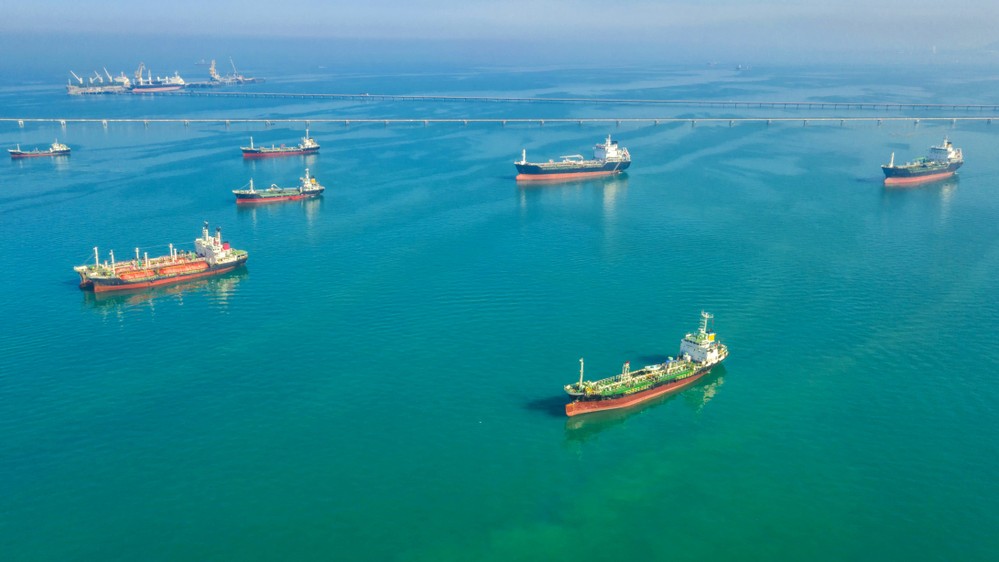
At least 28 ships are stranded near the Strait of Hormuz — 10 foreign‑flagged vessels (four crude oil tankers, three LPG carriers, three LNG carriers) and 18 India‑flagged ships (four crude oil tankers, three LPG carriers, one LNG carrier) — with 485 Indian seafarers reported safe. The disruption is constraining crude, LPG and LNG flows to India (the world’s third‑largest crude importer and heavily LPG‑dependent for cooking), prompting India to prioritise safe passage and rerouting; eight India‑flagged vessels have transited recently and two LPG carriers are expected to arrive Tuesday and Wednesday. Expect tighter regional energy logistics and potential upward pressure on oil and LPG prices while transit security remains uncertain.
A chokepoint-driven disruption of Gulf-India flows will be felt first through shipping economics rather than instantaneous structural shortages of hydrocarbon reserves. Re-routing around longer, safer corridors and higher war-risk insurance typically raises voyage days by ~10-25% and can lift spot tanker/TCEs and short-sea LPG/LNG time-charter rates by 20-60% within weeks, concentrating near-term upside in owners of modern VLCC/aframax and specialist LPG/LNG carriers.
For India the immediate mechanism is a reallocation of marginal barrels and cooking-fuel cargoes: buyers will accelerate diversification (US/Russia/UAE), stretching working-capital and logistics costs for importers and traders. That implies elevated spot pricing and wider arbitrage windows for LNG sellers for 1–3 months, but also higher odds of domestic policy intervention (prioritized allocation, price caps or urgent diplomacy) that can blunt pass-through to final demand.
Key catalysts are binary and fast: (1) naval escorts / diplomatic safe-passage agreements could normalize flows in days-weeks; (2) expanded insurance premiums or an actual interdiction would extend dislocations to months and materially re-price freight markets. The market is likely over-indexed to front-loaded freight and spot-price moves — long-dated bullish oil/Gas positions (>6 months) face asymmetric downside if selective transit permissions persist.
AI-powered research, real-time alerts, and portfolio analytics for institutional investors.
Overall Sentiment
mildly negative
Sentiment Score
-0.35
