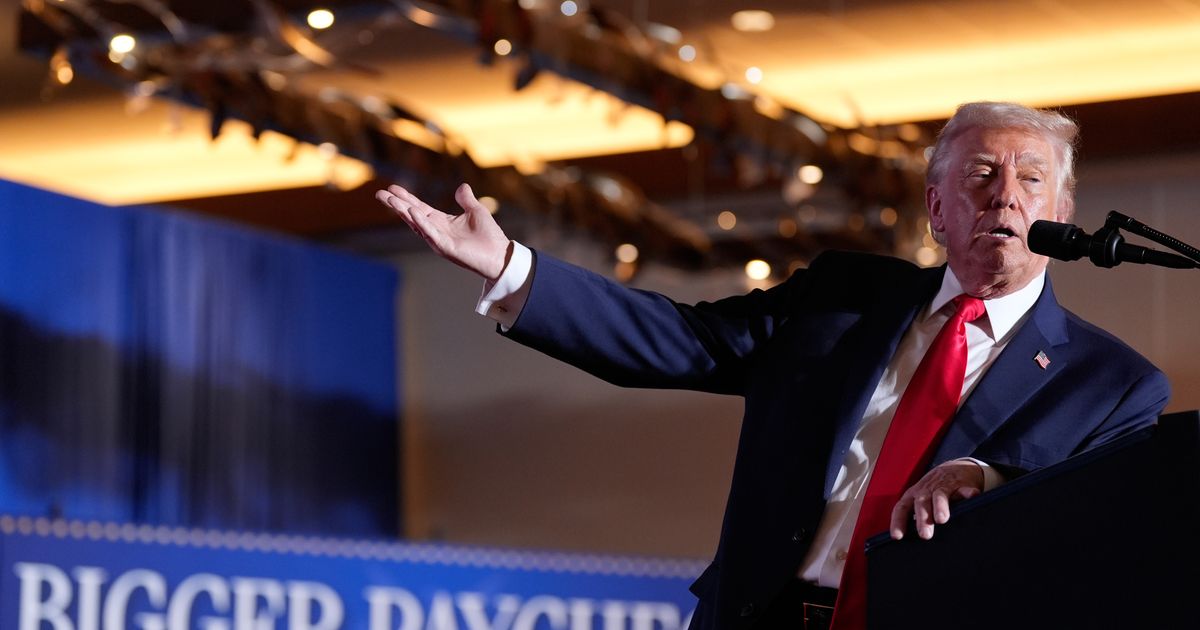
Senior officials from Egypt, Oman, Saudi Arabia and Qatar privately urged the U.S. to refrain from strikes on Iran, warning any military intervention would destabilize the region and shock the global economy. Markets priced a reduced near-term risk — oil prices fell as traders read President Trump’s softer tone as leaning away from an attack — but the White House reiterated that “all options remain on the table,” leaving energy and risk assets exposed to renewed volatility if policy shifts.
Market structure: The immediate winners from a U.S.–Iran kinetic escalation would be upstream energy producers (XOM, CVX, XLE) and defense contractors (LMT, RTX) due to a risk‑premium on oil and surge in defense spend; losers are airlines/transport (JETS), EM commodity importers and logistics firms exposed to tanker routes. If strikes are delayed — as regional allies urged — the risk premium compresses, returning pricing power to OPEC+ and flattening Brent/WTI spreads; expect 5–15% swing potential in crude within 30 days depending on headlines.
Risk assessment: Tail scenarios include a short-lived strike that spikes Brent >$20/bbl (>$100/bbl threshold) and forces a 75–100bp move higher in 10y yields, or broader regional war causing sustained oil shocks for 3–12 months. Assign short‑term strike probability 20–30% in next 30 days, rising to 30–40% over 3 months if provocations continue. Watch second‑order risks: tanker insurance costs, rerouted shipping adding 2–5% to logistics inflation, and Fed reaction to commodity-driven CPI surprises.
Trade implications: Tactical setup: buy asymmetric, low‑cost exposure to upside in oil and defense while shorting high‑beta oil consumers. Use 1–3% positions: long XOM/CVX equity exposure plus 3‑month OTM WTI call spreads for 15–30% upside capture; pair with 1–2% short in JETS or specific carriers with weak balance sheets. Hedge macro with 1% GLD and 1% TLT as tail hedges; scale in if WTI > $90 or cut if WTI < $70.
Contrarian angles: The market’s current relief may underprice recurring escalation via proxies — buying cheap oil‑service exposure (OIH) on dips is a contrarian 6–12 month play: energy capex cycles reaccelerate if risk premium persists. Conversely, if diplomacy holds, defense juiced names may mean‑revert 10–20% — size positions small and use options to limit downside.
AI-powered research, real-time alerts, and portfolio analytics for institutional investors.
Request DemoOverall Sentiment
moderately negative
Sentiment Score
-0.30
