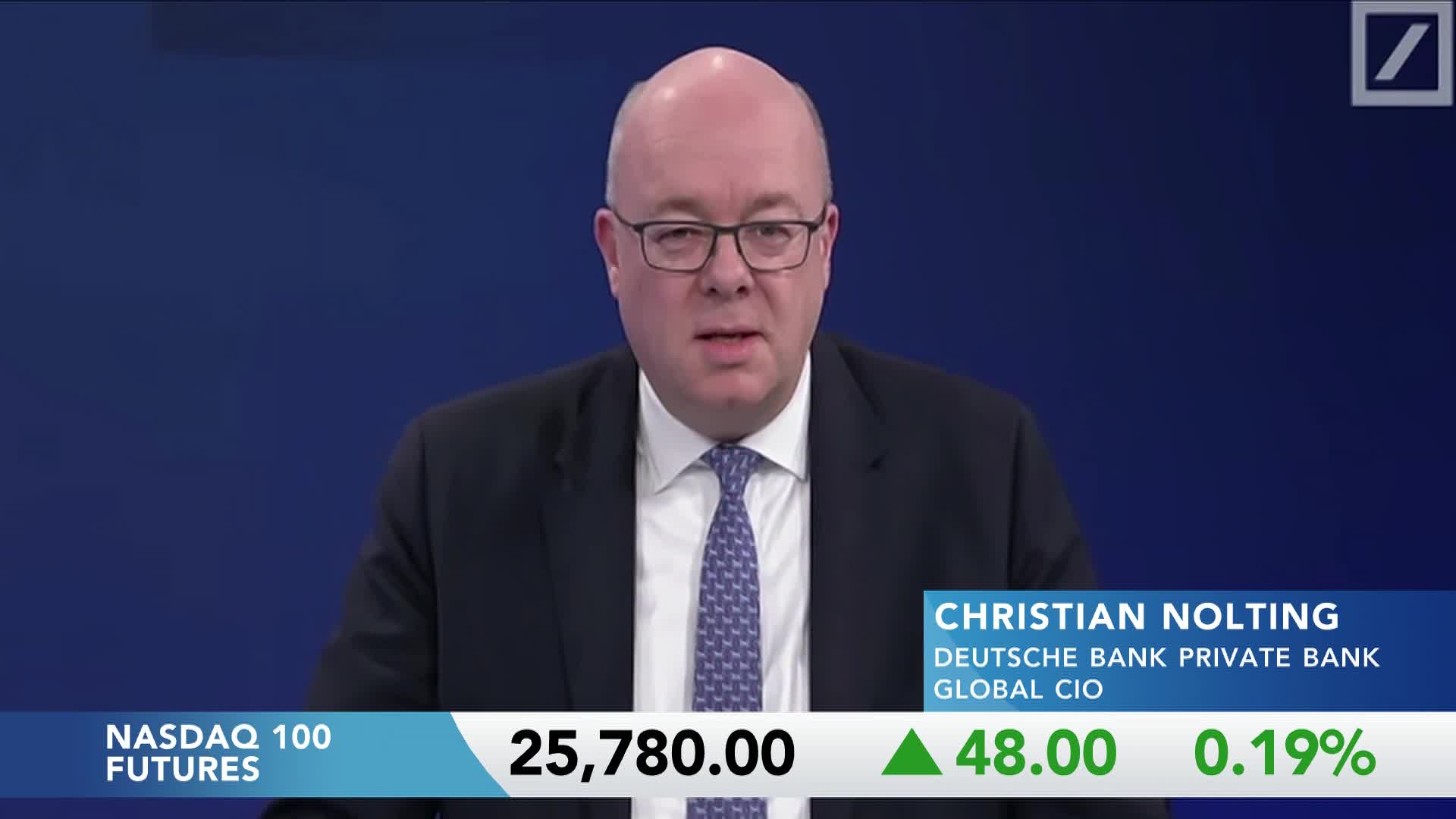
The 2026 outlook is cautiously constructive: AI remains a structural growth driver and U.S. tech is expected to continue delivering earnings, but expected earnings growth is moderating which could increase market volatility and lead to downside for companies that miss. Policymakers and investors should note the U.S. productivity advantage versus Europe and the role of fiscal policy and incoming investment as key longer‑term drivers, while avoiding complacency around earnings execution as a near‑term market catalyst.
Market structure: AI winners remain concentrated — AI chipmakers (NVDA, AMD), cloud infra (MSFT, GOOGL, AMZN), and semicap equipment (ASML, LRCX) will retain pricing power as demand for accelerators outpaces supply; legacy cyclicals and small-cap non-AI software risk margin compression if earnings growth decelerates into 2026. US incumbents keep a productivity advantage versus Europe; expect continued USD strength and heavier flows into US tech, widening performance dispersion between US and European indices over the next 6–18 months.
Risk assessment: Key tail risks are regulatory export/AI safety constraints, a clustered earnings disappointment in 2026 guidance season, and a China hardware/access shock — any could trigger >15% drawdowns for crowded mega-cap AI names. Immediate catalysts (days–weeks): quarterly guidance and Fed statements; short-term (3–6 months): semi-capex updates and EU fiscal moves; long-term (12–36 months): measurable productivity gains that could justify higher real rates and compress multiples.
Trade implications: Favor concentrated exposure to leaders via cost-efficient structures (LEAPs/call-spreads) sized 1–3% each, and explicit downside hedges (short-dated S&P puts or VIX call spreads) sized to limit portfolio drawdown to ~5%. Rotate underweights into Europe cyclicals and industrials that can adopt AI (12–24 month re-eval), and overweight semicap equipment (ASML/LRCX) where lead times and barriers to entry enforce pricing power.
Contrarian angles: Consensus underestimates enterprise/industrial AI adopters (Siemens/GE-type plays) and overestimates persistence of crowding in NVDA-sized longs — IV skew is rich; use calendar/verticals to monetize. Historical parallel: 1999–2002 tech cycle shows infrastructure and enabling vendors outperformed frothy end-user plays after the peak; avoid one-way bets without hedges.
AI-powered research, real-time alerts, and portfolio analytics for institutional investors.
Request DemoOverall Sentiment
mildly positive
Sentiment Score
0.28
