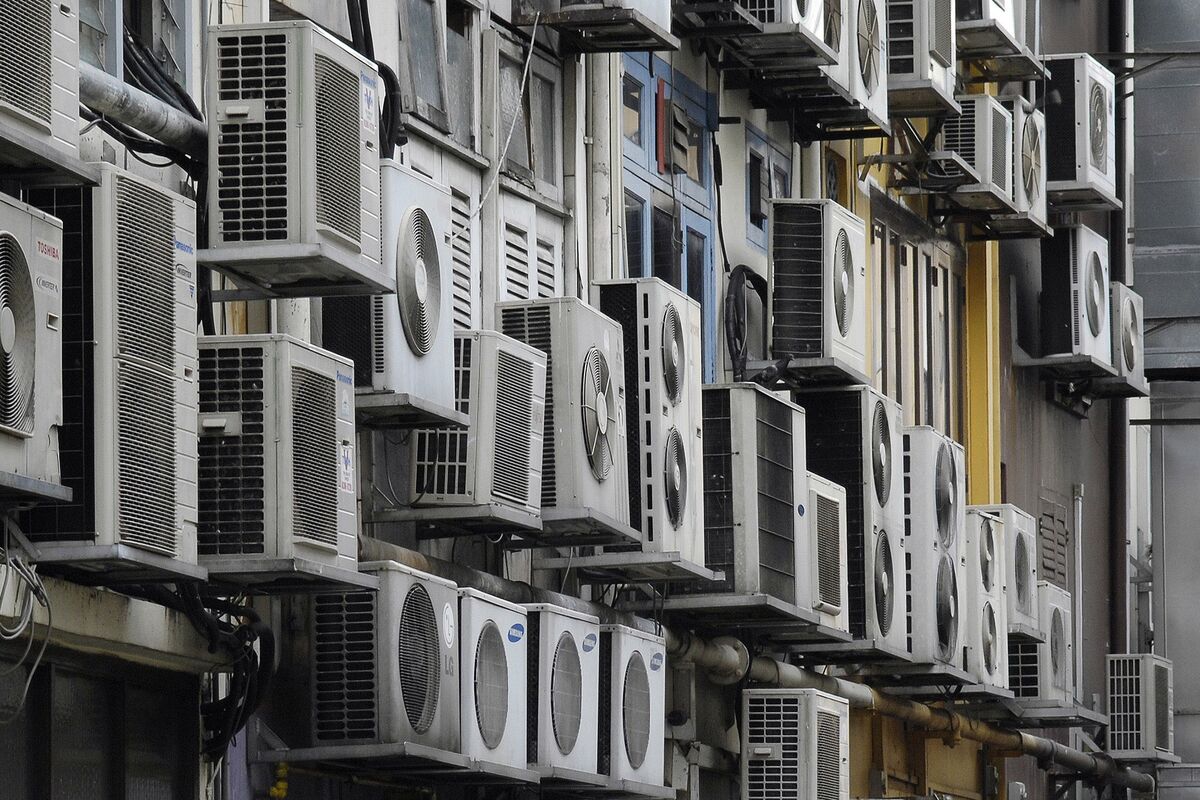
Singapore's National Environment Agency instructed government offices to cut electricity use, mandating air-conditioners be set at 25C or higher and to manage operating times for air-conditioning, lighting and lifts and to turn off non-essential equipment. The measures are aimed at boosting energy resilience as the Middle East conflict tightens global supplies; impact should modestly lower public-sector electricity demand but is unlikely to materially move broader energy markets.
Singapore’s instruction on thermostats and plug load is small in absolute energy terms but large as a policy signal: a government-demanded operational de-rating of buildings creates a low-cost, fast-acting lever to shave peak demand and buy time for imports or diplomatic fixes. We estimate an incremental peak-load reduction per office building of order mid-single-digit percent when thermostats move from 22–23C to 25C and non-essential systems are time-gated; if replicated across other ASEAN sovereigns the aggregate short-term seaborne gas burn could be reduced by a low-single-digit percent in peak months.
The second-order market effect is an acceleration of O&M and retrofit spend versus new supply procurement: ministries will prioritize building energy management systems (BEMS), demand-response controls, smart metering and battery storage over LNG cargo purchases for marginal relief. That dynamic benefits control- and systems-heavy vendors and EPC contractors while temporarily compressing merchant thermal-generator margins and capex visibility for incumbents that rely on volumetric sales (merchant IPPs, thermal peakers).
Key horizons: the operational demand cuts show up immediately (days–weeks) in system peak and price dynamics, procurement cycles play out over 3–12 months, and grid/asset allocation changes take 1–3 years. Catalysts that would unwind the trend are a sharp, sustained drop in global gas prices (which restores economic rationale for running existing baseload/peakers) or a diplomatic breakthrough unlocking large, low-cost oil/gas flows within 60–120 days; conversely, protracted supply risk would entrench efficiency-first policies and broaden market beneficiaries.
AI-powered research, real-time alerts, and portfolio analytics for institutional investors.
Request DemoOverall Sentiment
neutral
Sentiment Score
0.00
