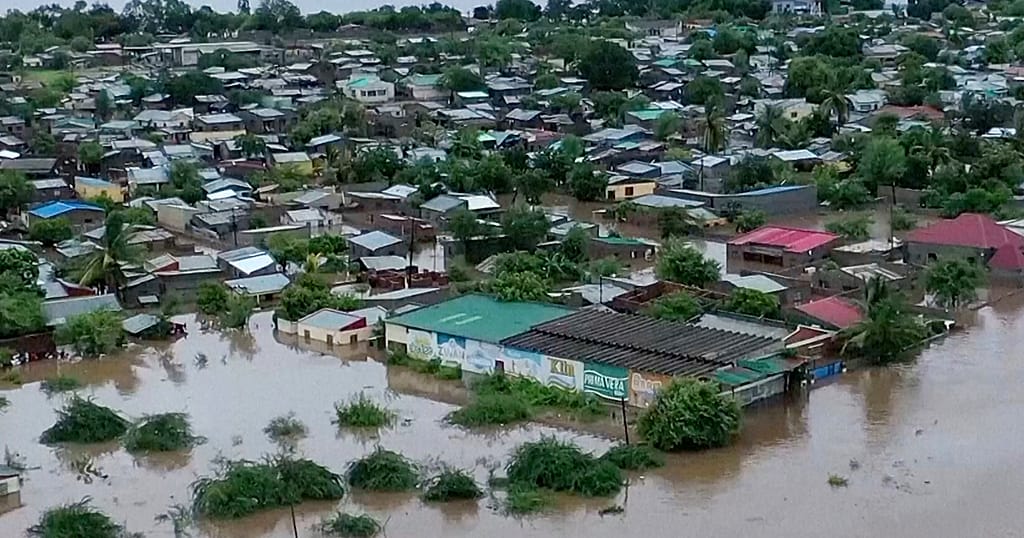
Weeks of heavy rains and preventative dam releases have left at least 700,000 people affected in Mozambique, with a confirmed nationwide death toll of at least 12 and Gaza Province the worst hit (nearly 392,000 affected). The Southern African Development Community has deployed a specialist emergency team to support logistics, search-and-rescue, public health and civil–military coordination as floods have damaged key roads, schools and at least 44 health facilities, displacing more than 50,000 into shelters and disrupting access to chronic care. Humanitarian agencies warn of rising hunger and water-borne disease risk and widespread crop losses, implying localized supply-chain and agricultural production shocks and increased demand for emergency funding and health services.
Market structure: reconstruction and emergency-response suppliers (heavy equipment, cement/aggregates, water-treatment, fertilizers, logistics providers) are the direct beneficiaries while local smallholder agriculture, regional utilities and sovereign credit suffer near-term cashflow shocks. Expect orderbook uplifts concentrated in Mozambique/South Africa region for 3–12 months, raising pricing power for mobile water-treatment (XYL), heavy-equipment OEMs (CAT) and distributors, while insurers and reinsurers face elevated claims that widen spreads on EM sovereign debt.
Risk assessment: immediate tail risks (days–weeks) include disease outbreaks and further dam failures that could multiply humanitarian flows; short-term (1–3 months) risks are supply-chain bottlenecks for building materials and fertilizer; long-term (3–12 months+) risks are sovereign-rating downgrades and higher borrowing costs if fiscal support is insufficient. Hidden dependencies: donor funding cadence, reinsurance/cat-bond payouts and port/logistics bottlenecks will determine speed of recovery and credit dispersion across EM issuers.
Trade implications: take asymmetric exposure to reconstruction and agricultural-commodity reflation while hedging EM credit/FX risk — favors long fertilizer names and construction equipment via option structures, paired with FX hedges (USDZAR) and reductions in EM sovereign bond duration. Volatility should rise in EM credit and regional FX for 30–90 days, creating opportunities for short-dated put/call spreads and CDS widening plays.
Contrarian angles: consensus may overweight broad EM selloffs; however concentrated reconstruction spend can produce 6–12 month demand elasticity spikes benefiting global suppliers more than local contractors. Historical analog (Cyclone Idai 2019) shows outsized multi-quarter revenue bumps for equipment and cement suppliers even as local credit weakens; the mispricing risk is in lumping sovereign and supplier exposures together instead of doing paired trades.
AI-powered research, real-time alerts, and portfolio analytics for institutional investors.
Request DemoOverall Sentiment
moderately negative
Sentiment Score
-0.50
