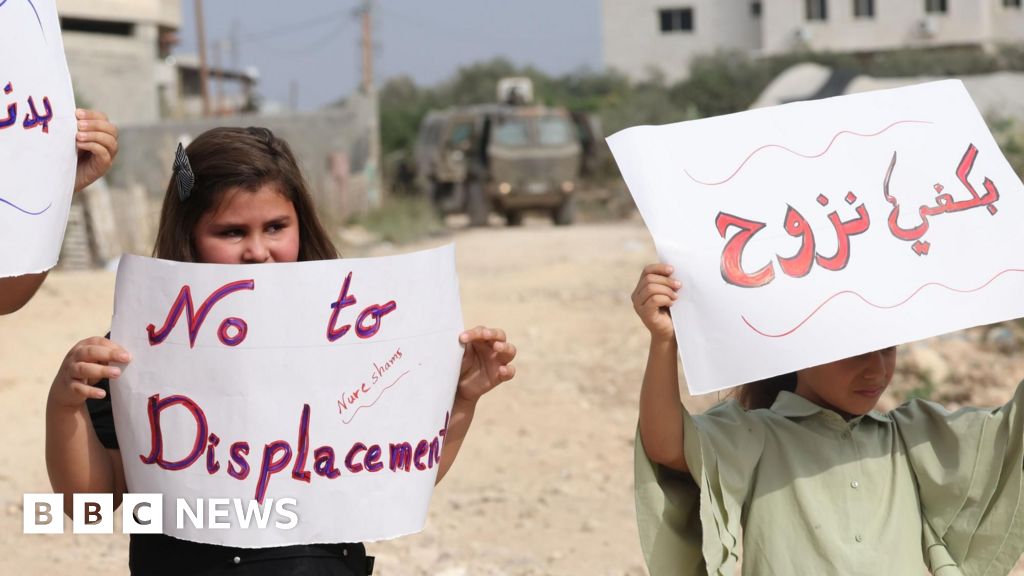
Israeli forces’ months-long “Operation Iron Wall” has forced more than 32,000 residents from the Nur Shams, Jenin and Tulkarm refugee camps in the northern West Bank, with Human Rights Watch saying some 850 homes and other buildings have been demolished and condemning prolonged evacuations as potential war crimes and "ethnic cleansing"; Israel says the raids have dismantled weapons facilities, reduced terror alerts by 80% and are reshaping the camps to open access routes for security, with Defence Minister Israel Katz authorising a prolonged presence. Satellite imagery and eyewitness accounts show wide-scale destruction of housing, schools and community infrastructure, many displaced families remain scattered, dependent on scarce PA and NGO aid and unable to return as petitions to Israel’s Supreme Court have been rejected. The operation’s continuation and infrastructure demolition leave deep humanitarian, social and legal risks for the West Bank — disrupting education and livelihoods, fracturing communal networks and creating prolonged uncertainty with potential political and stability implications in the territory.
Israeli "Operation Iron Wall" has displaced at least 32,000 residents from Nur Shams, Jenin and Tulkarm since late January; Human Rights Watch documents roughly 850 demolished homes while eyewitnesses describe prolonged evacuations, loss of power, water and education, and large-scale infrastructure destruction. The Israeli military and Defence Minister Israel Katz assert the raids dismantled weapons facilities, created new access routes for armour and reduced West Bank "terror alerts" by 80%, and Katz has authorised a prolonged military presence in cleared areas. Human Rights Watch alleges the forced, prolonged evacuations and destruction "may amount to war crimes" and "ethnic cleansing," and all petitions to Israel's Supreme Court challenging the demolitions have been rejected. Satellite imagery confirming widened streets for military vehicles, repurposing of community centres into barracks, and continued demolitions indicate a shift from short-term raids to longer-term territorial reshaping with sustained humanitarian, legal and political implications for regional stability.
AI-powered research, real-time alerts, and portfolio analytics for institutional investors.
Overall Sentiment
strongly negative
Sentiment Score
-0.75
Ticker Sentiment
