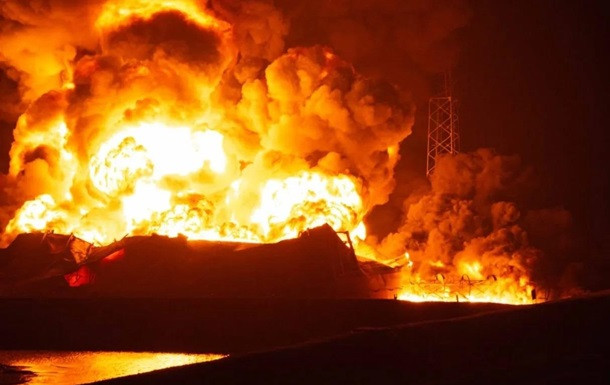
Russia is intensifying its hybrid campaign against Ukraine's civilian and economic infrastructure, systematically targeting energy facilities, including Naftogaz production, and critical transport networks. Recent strikes have disabled nearly 60% of Ukraine's gas production and aim to paralyze supply chains and key exports, posing significant risks to the Ukrainian economy and its ability to sustain itself. This escalation, driven by Russia's battlefield frustrations, has prompted substantial financial support from the EU and partners, totaling over €2 billion since 2022, for energy resilience and gas reserves. However, the effectiveness and speed of deploying this aid against the growing intensity of Russian attacks remain critical factors for Ukraine's economic stability and its ability to repair faster than it is destroyed.
Russia's intensified hybrid campaign is systematically targeting Ukraine's critical civilian infrastructure, aiming for complete economic paralysis. Recent strikes on Naftogaz production facilities have disabled nearly 60% of Ukraine's gas output, while methodical attacks on railway junctions and depots disrupt supply chains and block key exports like grain, iron, and steel. This strategy extends to targeting repair crews, exacerbating spare parts deficiencies and delaying recovery efforts.
This escalation reflects Russia's battlefield frustrations, with territorial gains shrinking by 44% in September, the smallest monthly advance since May. Consequently, the air war has expanded dramatically, with drone and missile attacks increasing 38% in September alone, continuing into October and leading to higher civilian casualties. The Kremlin seeks to undermine social cohesion and convince Europe that sustaining Ukraine is too costly.
Ukraine faces a critical winter, with resilience dependent on its ability to repair infrastructure faster than Russia can destroy it. The EU and partners have committed over €2 billion since 2022, including a recent €300 million EIB loan to Naftogaz for gas purchases, shifting towards preemptive resilience building. However, the effectiveness and swiftness of deploying this aid against the growing intensity of Russian strikes remain key uncertainties for Ukraine's economic stability.
AI-powered research, real-time alerts, and portfolio analytics for institutional investors.
Request DemoOverall Sentiment
strongly negative
Sentiment Score
-0.80
