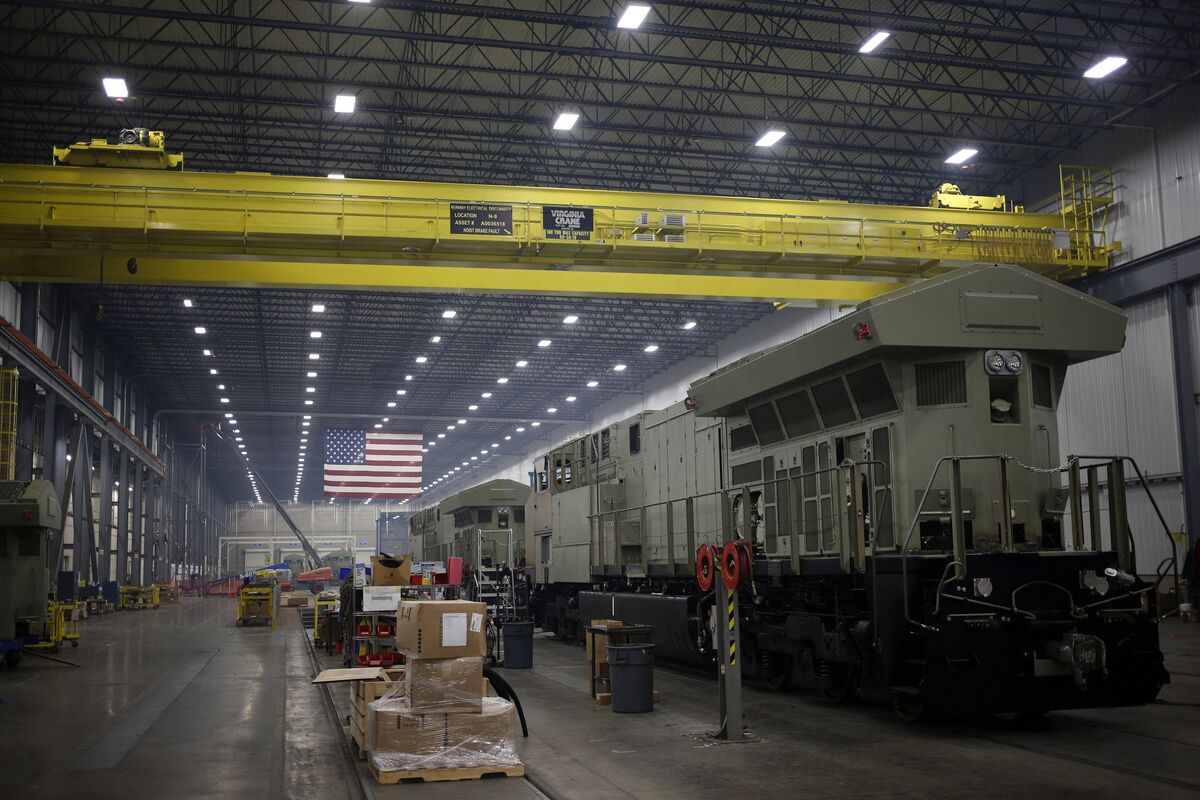
While Trump's tax law, featuring desired business tax provisions, is anticipated to spur US factory investment, the president's erratic trade policy, particularly tariffs, risks tempering any significant pickup in capital expenditure. Manufacturers had previously delayed spending plans due to the uncertainty surrounding both the tax legislation and vacillating tariff announcements, creating a conflicting outlook for domestic investment.
The US manufacturing sector faces a dichotomous policy environment where the stimulative effects of new tax legislation are directly challenged by the uncertainty of trade policy. While the passage of a budget bill containing favorable business tax provisions was expected to spur a pickup in capital investment, the administration's erratic trade policy and vacillating tariff announcements introduce significant headwinds. This policy conflict has created a climate of uncertainty, evidenced by manufacturers previously putting spending plans on hold. Consequently, the potential for a pronounced increase in capital expenditure, a key driver for the sector's growth, is tempered and remains highly contingent on future trade developments, clouding the outlook for domestic factory investment.
AI-powered research, real-time alerts, and portfolio analytics for institutional investors.
Request DemoOverall Sentiment
mixed
Sentiment Score
-0.05
