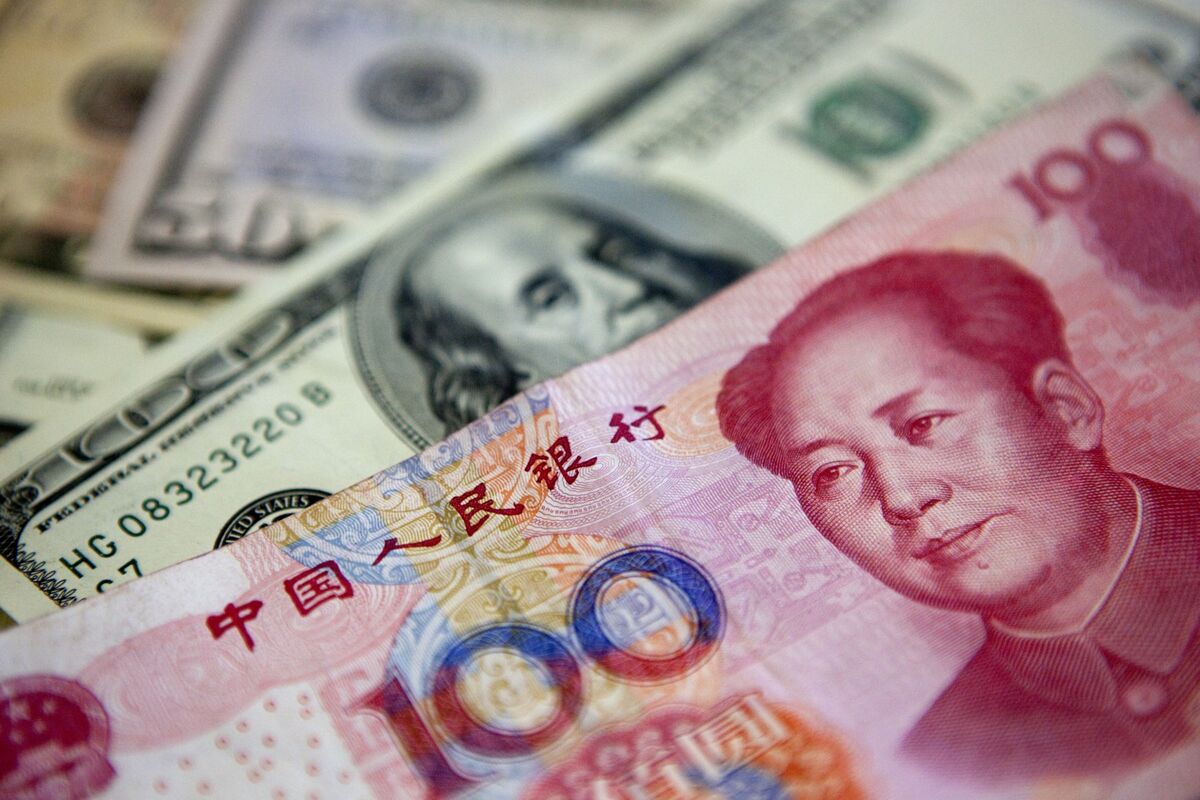
Bank of England data indicates that dollar-yuan trading in London surged a notable 42% to a daily average of $182.6 billion in April, significantly outpacing other major currency pairs. This substantial increase occurred amidst market turmoil driven by President Trump's trade tariff policies, underscoring the pair's heightened volatility and liquidity during periods of global trade tension.
Bank of England data from its semi-annual turnover survey highlights a significant shift in foreign exchange market dynamics during April's market turmoil. Average daily turnover in the dollar-yuan pair surged 42% to $182.6 billion in London, an increase that notably outstripped that of other major currency pairs. This surge was directly correlated with market ructions caused by US trade tariff policies, cementing the USD/CNY's role as a primary vehicle for market participants to express views on, or hedge against, US-China trade tensions. The record trading volume indicates a substantial rise in both speculative positioning and corporate hedging, underscoring the yuan's increasing importance as a key barometer for global geopolitical and economic risk, rather than simply a transactional currency.
AI-powered research, real-time alerts, and portfolio analytics for institutional investors.
Request DemoOverall Sentiment
moderately negative
Sentiment Score
-0.50
