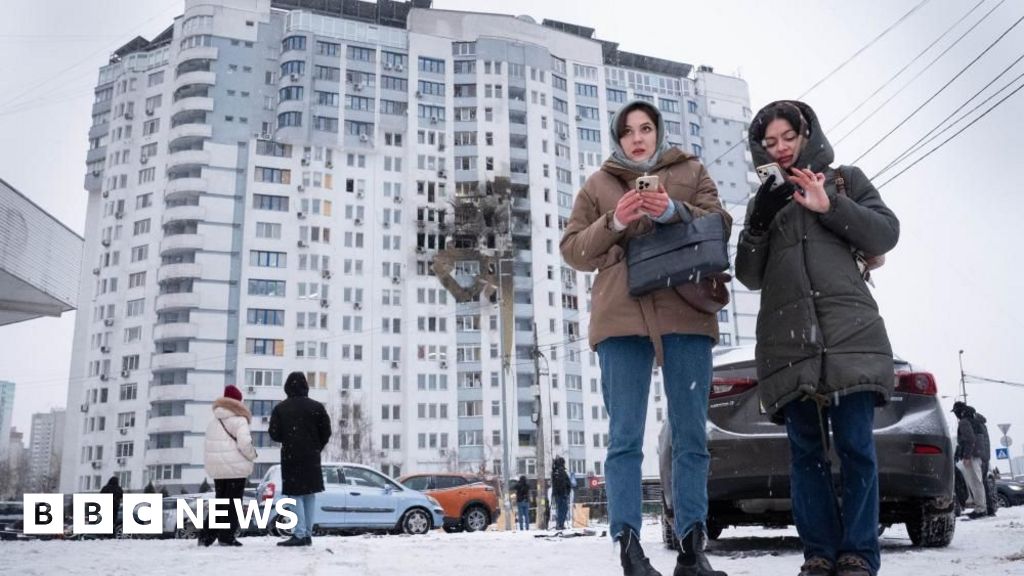
President Trump said he asked Vladimir Putin to suspend strikes on Kyiv and other Ukrainian cities for a week due to an extreme cold snap and that Putin agreed, a claim Russia has not confirmed but which Ukraine welcomed; Kyiv faces temperatures down to -24°C. Overnight air-raid alerts occurred in four frontline regions that Ukraine says were hit by 80 drones and a ballistic missile, and continued Russian strikes have repeatedly damaged energy infrastructure, leaving millions without heat or power. Kyiv reportedly agreed to mirror any pause by halting attacks on Russian oil refineries, and US-Russian-Ukrainian talks in the UAE were described as constructive, but implementation and duration of any pause remain uncertain. The situation raises continued downside risk to regional energy stability and humanitarian conditions, keeping risk sentiment elevated for relevant energy, utilities and defense exposures.
Market structure: A temporary pause in strikes against major cities reduces immediate humanitarian pressure but does not change the structural premium on European/spot gas and LNG for the winter; beneficiaries are LNG exporters (Cheniere LNG) and global shipper/terminal operators, while European grid-dependent utilities (e.g., Uniper UN01.DE, ENEL.MI) and local Ukrainian energy services remain vulnerable. Pricing power shifts to spot LNG sellers and repair-capable contractors; Russian crude/gas flows may see marginal relief if Ukraine pauses refinery strikes, compressing a part of the risk premium by an estimated 5–15% on spot differentials short-term.
Risk assessment: Tail risks include a rapid reneging by Moscow or a concentrated infrastructure strike that spikes European TTF/Brent 20–50% within days, and a broader NATO-Russia escalation that turbocharges defense spend. Immediate (0–7 days) risk: local volatility and power outages persist; short-term (1–3 months): energy price volatility and defense equity rerating; long-term (6–24 months): sustained capex into energy security and defense modernization.
Trade implications: Direct plays: overweight Cheniere Energy (LNG) and large-cap defense (LMT, NOC, GD) with 1–3% position sizes each as a 3–12 month thematic trade; hedge with 1–2% VIX exposure (VXX calls) and USD long (UUP) for downside. Use options: buy 1–3 month call spreads on LMT/NOC (to limit premium) and 1–2 month call on CHK/Cheniere; consider short-dated puts on weak European utilities if grid repair costs continue to surface.
Contrarian angles: The market may underprice the chance that a "pause" reduces Ukrainian strikes on Russian energy, which could temporarily ease European gas stress and produce a short squeeze unwind — meaning energy longs could be mean-reverted within 1–3 weeks. Conversely, any sign of resumed strategic strikes will rapidly reprice defense and commodities; set objective rebalancing triggers (e.g., Brent +15% or VIX >25) to add to hedges or rotate back into cyclicals.
AI-powered research, real-time alerts, and portfolio analytics for institutional investors.
Request DemoOverall Sentiment
moderately negative
Sentiment Score
-0.45
