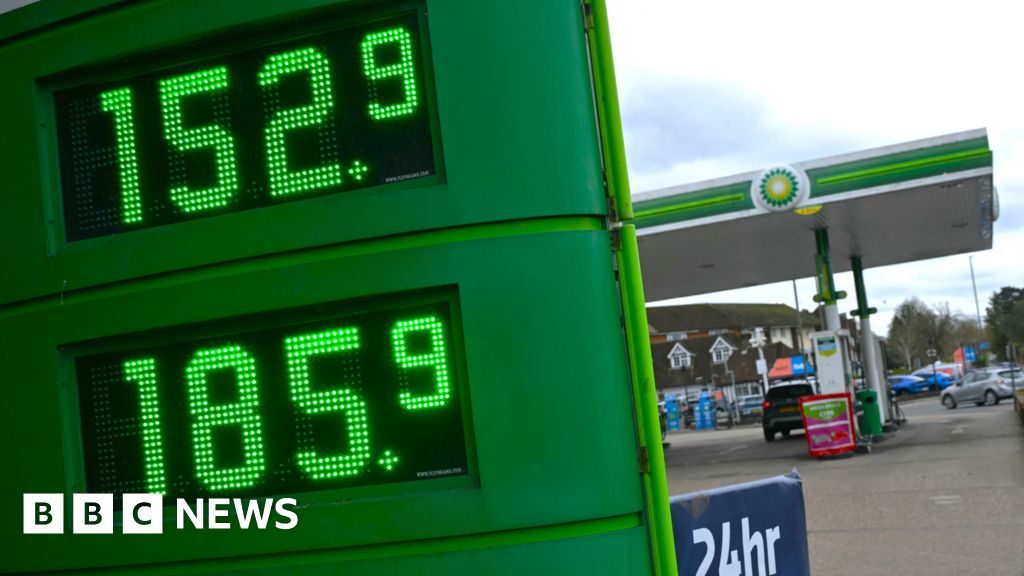
Around 20% of global oil and gas flows transit the Strait of Hormuz, and the effective closure amid the Iran war has pushed fuel costs sharply higher, prompting wide-ranging government interventions. Measures include fiscal packages (Ireland €235m; UK £53m heating-oil support), tax suspensions and excise cuts, free public transport in parts of Australia, national emergency subsidies and stockpiling in the Philippines, and rationing in Sri Lanka (15L/week drivers, 5L motorcyclists), Slovenia (50L/day private, 200L businesses) and others. Reported consumer impacts include petrol in Australia rising from A$2.09 to A$2.38/litre (~14%) and diesel/petrol more than doubling in the Philippines, signaling material near-term inflationary and supply risks for energy-importing economies.
The immediate macro transmission is a bifurcation between supply shock winners (upstream producers, storage/contango plays) and demand-constrained losers (import-dependent sovereigns, fuel-intensive services). Expect a 4–12 week window of volatile backwardation/contango shifts as spot tightness competes with policy responses (subsidies, rationing, SPR releases), creating profitable roll yield trades for nimble carry strategies.
Second-order effects will accentuate credit and FX stress in small open economies that must finance larger fuel import bills; look for rising sovereign CDS and accelerated capital controls over 3–12 months, which in turn will depress local equities and raise default risk on state-owned energy off-takers. On the corporate side, refiners with global access to crude but constrained local retail demand could see regional crack compression while integrated majors with export optionality capture most upside margins.
Policy uncertainty is the dominant catalyst: a diplomatic de-escalation or coordinated SPR release can erase a large fraction of the risk premium inside 30–90 days, while prolonged closure scenarios embed structural substitution (modal shifts to rail/buses, faster EV adoption) that lower elasticities and keep prices elevated for years. Position sizing should reflect binary outcomes — transient spikes that favor options and spreads, versus multi-year regime shifts that favor strategic overweight to diversified producers and storage owners.
AI-powered research, real-time alerts, and portfolio analytics for institutional investors.
Request DemoOverall Sentiment
strongly negative
Sentiment Score
-0.55
