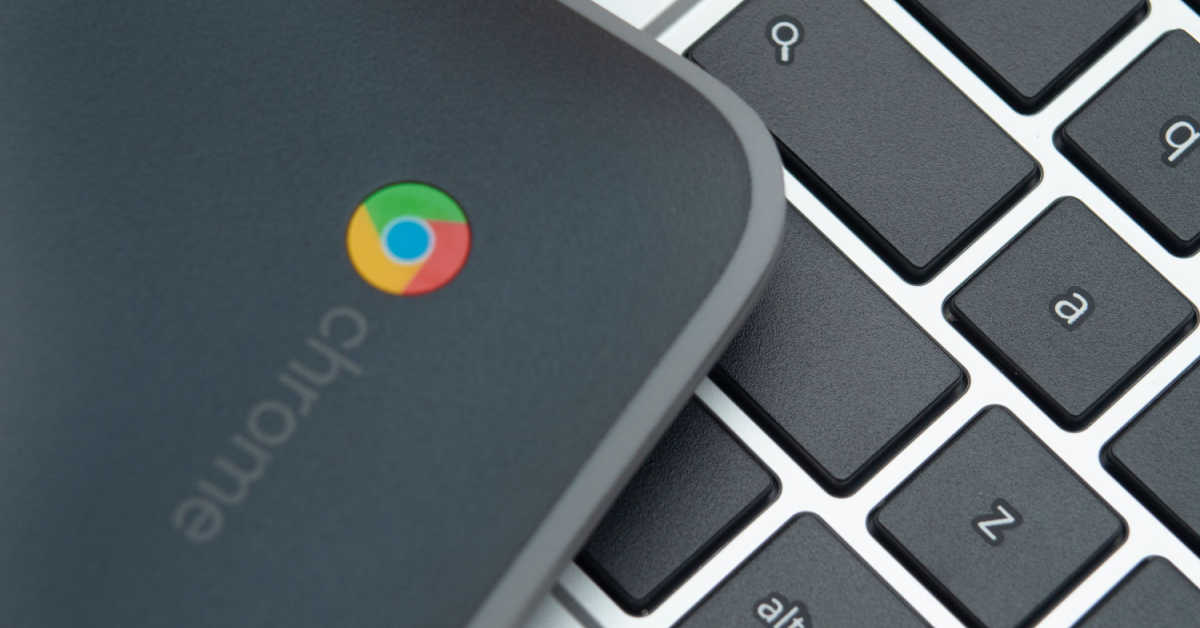
Google's Android president has confirmed plans to replace ChromeOS with Android, a strategic move aimed at enhancing cross-device integration across handsets and smartwatches to better rival Apple's ecosystem. This consolidation, despite ChromeOS's success in the PC market, signals Google's intent to unify its software platform, potentially impacting future hardware development, app distribution, and its competitive positioning in the broader computing market. The transition is anticipated sooner rather than later, with a focus on seamless user experience.
Google's management has signaled a significant strategic pivot to replace its ChromeOS with a desktop version of Android, as confirmed by the President of its Android Ecosystem. The primary driver for this consolidation is to establish a more deeply integrated software ecosystem, directly challenging Apple's competitive advantage in cross-device interoperability between its phones, watches, and computers. This move is noteworthy given that ChromeOS is a successful platform in its own right, reportedly outselling Macs and establishing a firm foothold in the PC market. The lack of focus on ChromeOS at the recent Google IO conference further substantiates this strategic shift. While technical differences exist between the Gentoo-based ChromeOS and Android, the article suggests the transition is feasible and could occur 'sooner rather than later,' with potentially minimal visible changes for the end-user. Key execution risks include ensuring broad hardware driver support, particularly for components from partners like Nvidia and Intel, though the potential upside includes access to the vast Android app ecosystem on desktop devices.
AI-powered research, real-time alerts, and portfolio analytics for institutional investors.
Overall Sentiment
mildly positive
Sentiment Score
0.25
Ticker Sentiment
