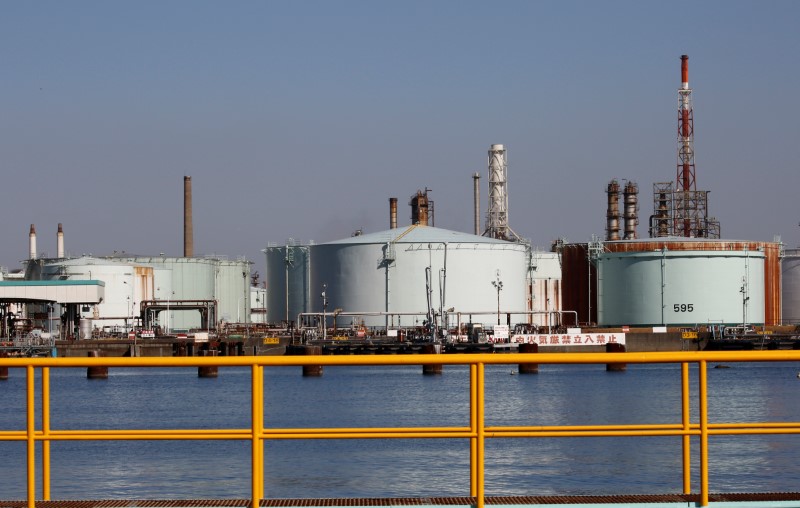
The IEA's 32 member countries agreed to release 400 million barrels of oil from strategic stockpiles to counter supply disruptions, covering roughly 20 days of lost flows from the Strait of Hormuz. France said it is not prepared to release additional reserves and emphasized that reopening the Strait — which typically handles ~20% of daily global oil and gas flows — is the only sustainable solution; the U.S. is expected to supply the majority of the release and the IEA said it could release more if needed.
Price formation is now being driven more by flow-risk and logistics premia than by marginal production economics; a persistent chokepoint or sustained insurance-premium shock can easily insulate a $5–$10/bbl risk premium into the front-month curve within weeks while leaving later months relatively untouched. That front-end premium cascades into storage plays and freight — contango steepening increases charters and terminal utilization faster than it lifts upstream capex economics, so the fastest-to-benefit assets are those that monetize time/spatial arbitrage rather than crude barrels per se. Second-order winners are therefore owners of large, flexible storage footprints and LR2/VLCC tonnage, plus midstream contracts with take-or-pay or minimum throughput clauses; losers are high-fuel-intensity end-users (airlines, chemical producers) and refiners exposed to feedstock basis blowouts versus refining margins. Regional rerouting of tankers lifts voyage-day demand and insurance costs, which amplifies rate moves non-linearly — a 10% routing detour can translate to a 25–40% effective increase in voyage cost for long-haul cargoes. Key catalysts and tail risks: short-term policy actions (additional strategic releases or coordinated diplomacy) can pare the premium within days–weeks, while persistent operational disruption or expanded conflict embeds the higher freight/insurance equilibrium for months. Contrarian angle: market sentiment front-loads the scarcity premium into equities with leverage to price (small-cap E&Ps and asset-light infra) while underpricing firms that monetize widened physical spreads via storage and long-term take-or-pay contracts; that divergence should compress as physical logistics normalize, creating pair-trade opportunities across the cycle.
AI-powered research, real-time alerts, and portfolio analytics for institutional investors.
Overall Sentiment
neutral
Sentiment Score
0.00
