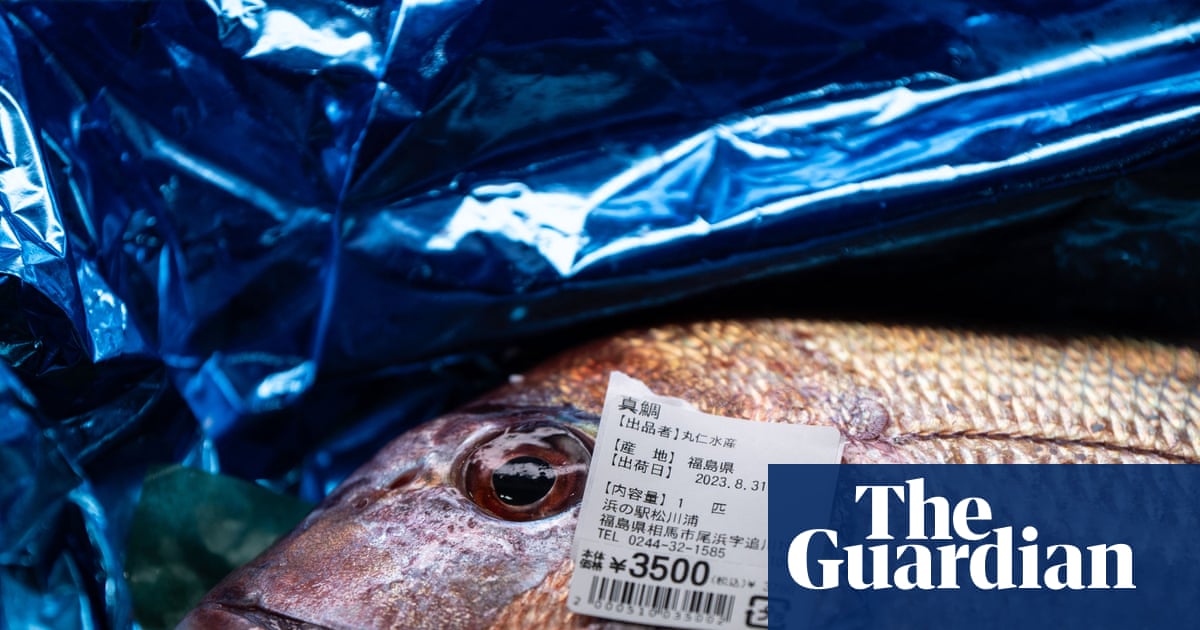
China has again suspended all imports of Japanese seafood, citing a lack of market and Japan’s failure to provide promised technical documentation, and explicitly linking the move to Prime Minister Sanae Takaichi’s recent remarks on possible military involvement over Taiwan. The measure, following a partial lift of a 2023 Fukushima-related ban, threatens significant export volumes—China including Hong Kong previously took more than one-fifth of Japan’s seafood exports—and comes amid a wider campaign of retaliatory actions (coastguard and drone activity near disputed islands, travel warnings that led to roughly 500,000 cancelled flights and airline refunds, suspended cultural exchanges, and sharp falls in Japanese retail and tourism stocks). The escalation raises bilateral geopolitical and trade risk with direct implications for Japanese exporters, tourism and consumer sectors and could weigh on market sentiment and supply chains unless diplomatic tensions ease.
China has announced a fresh suspension of all Japanese seafood imports, with the foreign ministry saying there is "no market for Japanese seafood in the current climate" and citing Japan's failure to provide promised technical documentation; Beijing explicitly linked the move to Prime Minister Sanae Takaichi's recent remarks on possible military involvement over Taiwan. The ban follows a partial lift of a 2023 Fukushima-related restriction and is significant because China including Hong Kong accounted for more than one-fifth of Japan's seafood exports before the 2023 ban.
The measure is part of a broader escalation of rhetorical, symbolic and economic reprisals: coastguard transits near the Senkaku Islands, military drone flights near Yonaguni, state entities advising staff not to travel, suspension of film releases and cultural events, and travel warnings that coincided with roughly 500,000 cancelled flights and multiple airlines offering refunds; Japanese retail and tourism shares fell sharply on the news. Market signals show a moderately negative sentiment and a material market-impact score, indicating risk-off pressure on consumer, travel and export-exposed sectors.
Implications for investors include direct revenue hits for seafood exporters, processors and associated logistics providers, demand shocks to tourism and retail names, and the risk of broader trade frictions if diplomatic tensions persist; the duration of market stress will hinge on diplomatic developments such as provision of technical documentation, clarifications from Tokyo or high-level talks. Monitor outbound travel metrics, corporate guidance from retail/tourism firms, trade-update notices from exporters, and any reversal or escalation in official rhetoric as primary catalysts for repositioning.
AI-powered research, real-time alerts, and portfolio analytics for institutional investors.
Request DemoOverall Sentiment
moderately negative
Sentiment Score
-0.55
