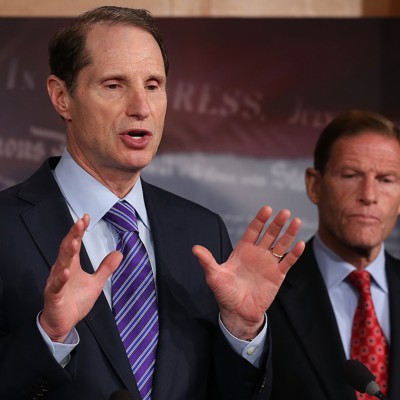
As the government shutdown persists following the seventh rejection of a stopgap funding bill, Senate Democrats are advocating for immediate pay for federal employees, extending beyond military personnel to include essential civilian workers like air traffic controllers, who are experiencing increased absenteeism. Despite bipartisan support for paying the military, House Speaker Johnson is blocking a vote on the "Pay Our Troops Act," leaving over 1.5 million federal workers facing delayed pay and 620,000 furloughed. This ongoing political stalemate, exacerbated by President Trump's threats of permanent cuts, underscores significant operational and financial strain on government services.
The government shutdown has persisted beyond nine days, marked by the Senate's seventh rejection of a stopgap funding bill, signaling a deep political stalemate with no serious negotiations. This impasse threatens delayed pay for over 1.5 million civilian federal employees working without compensation and impacts 620,000 furloughed workers, despite legal guarantees of back pay which the Trump administration has threatened to withhold. Operational strains are already evident, with increased absenteeism reported among air traffic controllers.
Senate Democrats are advocating for immediate pay for both military personnel and essential civilian employees, including air traffic controllers and public safety staff, extending beyond the bipartisan "Pay Our Troops Act" (H.R. 5401). However, House Speaker Johnson's refusal to call a vote on H.R. 5401 highlights legislative gridlock, while internal Democratic divisions exist regarding the scope of immediate pay.
The shutdown's ripple effects extend to financial stability, with lawmakers pushing for guidance to prevent late payments and credit damage for federal workers, and urging utility companies to maintain services. President Trump's threats of "permanent cuts" to government programs introduce further uncertainty regarding future government functions. The overall sentiment is "moderately negative" with an "uncertain" tone, reflecting the unresolved political conflict and its potential economic fallout.
AI-powered research, real-time alerts, and portfolio analytics for institutional investors.
Overall Sentiment
moderately negative
Sentiment Score
-0.50
