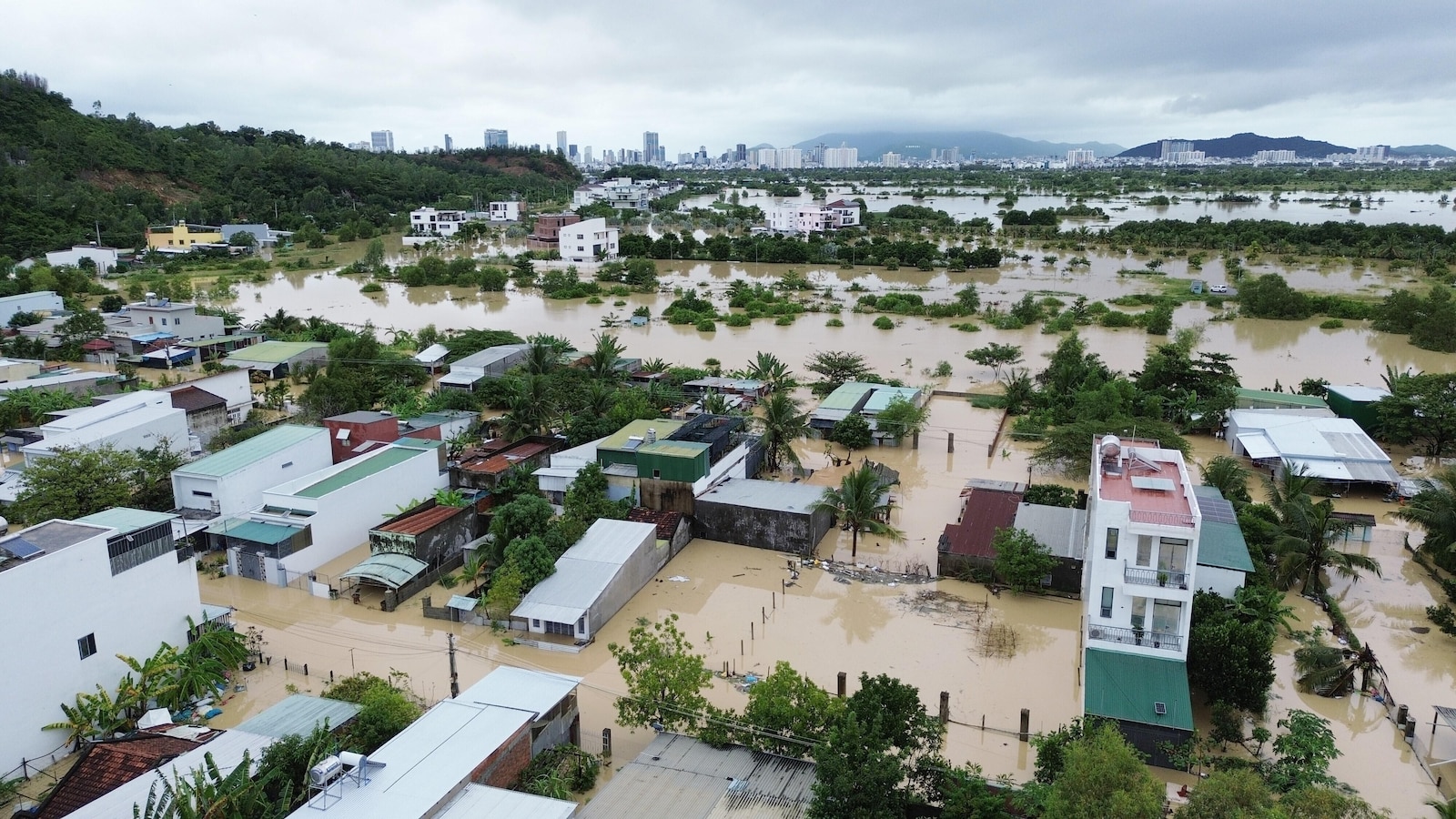
Heavy rains and resulting floods and landslides across Southeast Asia have killed scores of people and displaced tens of thousands, with Vietnam reporting 91 confirmed dead and 11 missing (63 deaths in Dak Lak alone), Thailand reporting five deaths and nearly 2 million people affected, and Malaysia evacuating more than 12,500 people. Vietnam estimates roughly $500 million in damage from the latest round (and about $1.2 billion from an earlier recent period), key impacts include submerged coffee farms in Dak Lak, widespread transport and infrastructure damage, severe disruption to tourism hubs (Nha Trang, Hat Yai) and ongoing risk from a developing tropical depression — all factors that could weigh on regional agricultural exports, tourism receipts and insurance losses if rainfall continues.
Market structure: Acute crop and tourism disruption shifts short-term pricing power to commodity traders, global coffee processors and construction/material suppliers executing reconstruction work; insurers/reinsurers and regional travel operators lose pricing power. Expect Robusta spot spreads to widen vs. arabica and for ASEAN sovereign spreads to widen 20–80bp if storms persist for 2–8 weeks, pressuring local FX.
Risk assessment: Tail risks include a prolonged monsoon + export restrictions producing a 15–30% shock to global Robusta availability or a cascade of sovereign downgrades in small EM credits. Immediate impact (days) is revenue disruption and cancellations; within 1–3 months insurance loss estimates and crop surveys resolve directionally; 2–6 quarters are needed to replant coffee and for tourism to recover.
Trade implications: Favor short-duration, directional commodity exposure to coffee (Robusta) and defensive positioning in global materials/engineering names that win reconstruction business; hedge EM equity/credit beta with 1–3 month put spreads. Avoid outright long exposure to Vietnam/Thailand consumer-facing equities until crop and tourism metrics stabilize (look for QoQ export recovery >5%).
Contrarian angles: The market may over-discount Vietnam's medium-term export capacity — a single season’s coffee loss is unlikely to erase multiyear planting increases; a shallow 8–12% sell-off in VNM/EEM may create a buy window. Conversely, reconstruction winners can see outsized 20–40% revenue lifts over 12–18 months if government stimulus is enacted.
AI-powered research, real-time alerts, and portfolio analytics for institutional investors.
Request DemoOverall Sentiment
moderately negative
Sentiment Score
-0.62
