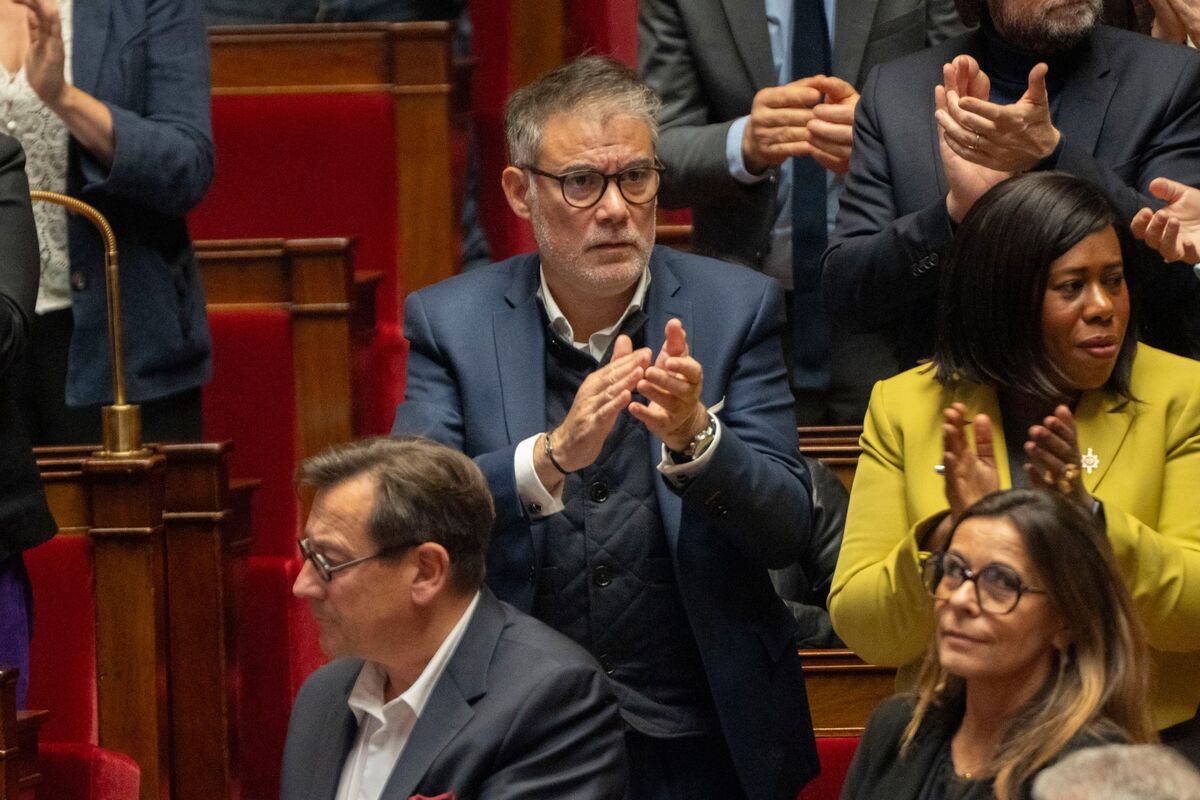
France's Socialist Party leader Olivier Faure is now seeking a budget compromise with the government, easing previous threats of no-confidence votes that could have destabilized Prime Minister Sebastien Lecornu's administration. This shift suggests a potential de-escalation of political tensions, though the Socialists' demands for sweeping wealth taxes remain a central point of contention in the ongoing budget negotiations.
France's political landscape shows a de-escalation of immediate instability as Socialist Party leader Olivier Faure now seeks a budget compromise with the government. This marks a significant shift from previous threats of no-confidence votes, which could have forced Prime Minister Sebastien Lecornu's resignation and triggered a period of political uncertainty. The Socialists' pivotal seats in the National Assembly previously gave them leverage to destabilize the administration.
While the immediate risk of government collapse has receded, the core demands for "sweeping wealth taxes" remain a central point of contention in the ongoing budget negotiations. This unresolved fiscal policy issue contributes to an "uncertain" tone despite the "mildly positive" sentiment associated with the de-escalation. The market impact is assessed as moderate (0.5), reflecting the importance of political stability and fiscal policy in a major European economy.
This development falls under key themes of Fiscal Policy & Budget, Elections & Domestic Politics, and Tax & Tariffs, indicating its broad relevance to economic and political stability. The compromise effort suggests a potential path forward for budget approval, but the specifics of tax policy will dictate the long-term fiscal outlook.
AI-powered research, real-time alerts, and portfolio analytics for institutional investors.
Request DemoOverall Sentiment
mildly positive
Sentiment Score
0.35
