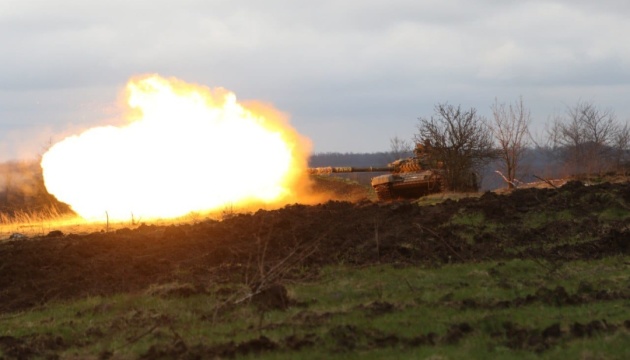
158 combat clashes were recorded on the front on March 25. The Ukrainian Joint Forces spokesperson said Russian troops are regrouping and preparing for larger-scale offensives that could exploit spring 'green cover' to conceal infiltration, with Lyman the hottest direction while some sectors are relatively calm. This tactical shift increases regional geopolitical risk and supports a modest risk-off stance for regional assets, with potential upside for defense names and volatility in energy markets if escalation occurs.
Operationally, expect sustained, not instantaneous, demand for surveillance, counter-drone and precision-munition capacity — the procurement cycle favors firms that can deliver electronics, optics and warhead production on 3–12 month timelines. Secondary beneficiaries include rail and heavy-repair contractors tasked with keeping armored and logistics fleets moving; bottlenecks will show up first in RF semiconductors, precision optics and propellant/steel supply chains, creating pricing power for specialized suppliers.
Key catalysts live on two horizons: tactical (days–weeks) volatility driven by episodic engagements and political decisions on shipments, and strategic (3–12 months) revenue realization tied to formal contracts and replenishment cycles. Reversal risks are material — accelerated Western funding or a decisive attrition of one side’s stockpiles can truncate a procurement wave; conversely, logistical constraints (mud season, depot capacity) can delay revenue recognition even if orders exist.
Market implications: large defense primes with integrated supply chains should see the cleanest earnings catch-up and lower execution risk, while smaller specialist vendors will experience sharper headline-driven repricing and higher forward multiples if awarded expedited contracts. Commodities exposed to munitions (steel, certain alloys) and niche electronics inputs will likely outperform broad industrials in a near-term stress scenario; transport/freight volatility is a useful leading indicator of operational pressure in the theater.
Contrarian read: consensus fear is for immediate, sweeping escalation; more probable is a protracted, resource-constrained build that rewards delivery capability over headline exposure. That argues for concentrated, convex exposure to firms with demonstrated surge-production paths and optionality rather than blanket long defense sector exposure without hedges.
AI-powered research, real-time alerts, and portfolio analytics for institutional investors.
Request DemoOverall Sentiment
mildly negative
Sentiment Score
-0.35
