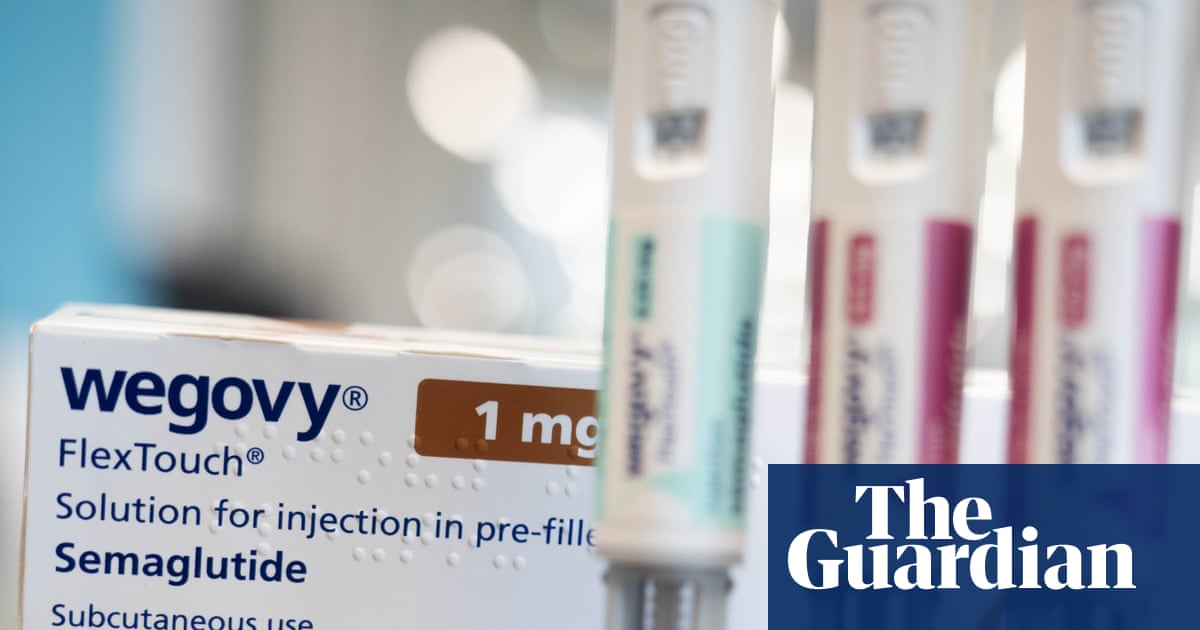
Researchers analyzed 27,885 patients on GLP1 therapies and found the GLP1 receptor variant rs10305420 was associated with slightly greater weight loss, while variant rs1800437 was associated with nausea/vomiting on tirzepatide but not with weight loss. The study implies genetics contribute modestly to variability in response to semaglutide (Wegovy) and tirzepatide (Mounjaro), with non-genetic factors (sex, drug type, dose, duration) explaining a substantially larger share of outcomes, limiting immediate clinical use of genetic testing to guide treatment.
Genetic stratification rarely needs to explain a large fraction of clinical variability to be commercially valuable. Even a predictive signal that shifts expected efficacy or tolerability by a few percentage points can change prescribing behavior for a multi-billion dollar therapy class by improving adherence, reducing discontinuations, and enabling premium pricing for companion diagnostics over a 12–36 month window.
Operationally the path to monetization runs through three gears: prospective validation (one or two registrational/utility studies within 12–24 months), payer coverage decisions (formal coding and reimbursement which typically take 18–36 months), and EHR/clinical-workflow integration (pilots often take 6–12 months then scale). Each stage is a binary catalyst: positive prospective RWE can trigger partnerships and licensing deals, while slow payer uptake or fragmented EMR integration will blunt commercial adoption despite scientific plausibility.
Competitive dynamics favor organizations that combine large, consented datasets with go-to-market capabilities into health systems and pharma. Pure-data owners can monetize via licensing to test labs and CROs, labs with existing payer contracts can bundle panels into clinical pathways, and CRO/RWE vendors can capture upside by embedding genomics into outcomes studies. The biggest tail risk is rapid non-replication or regulatory/privacy setbacks that collapse near-term licensing value; conversely, a single payer positive coverage decision would be a disproportionate value inflection for diagnostics and RWE vendors over 12–24 months.
AI-powered research, real-time alerts, and portfolio analytics for institutional investors.
Request DemoOverall Sentiment
mildly positive
Sentiment Score
0.05
