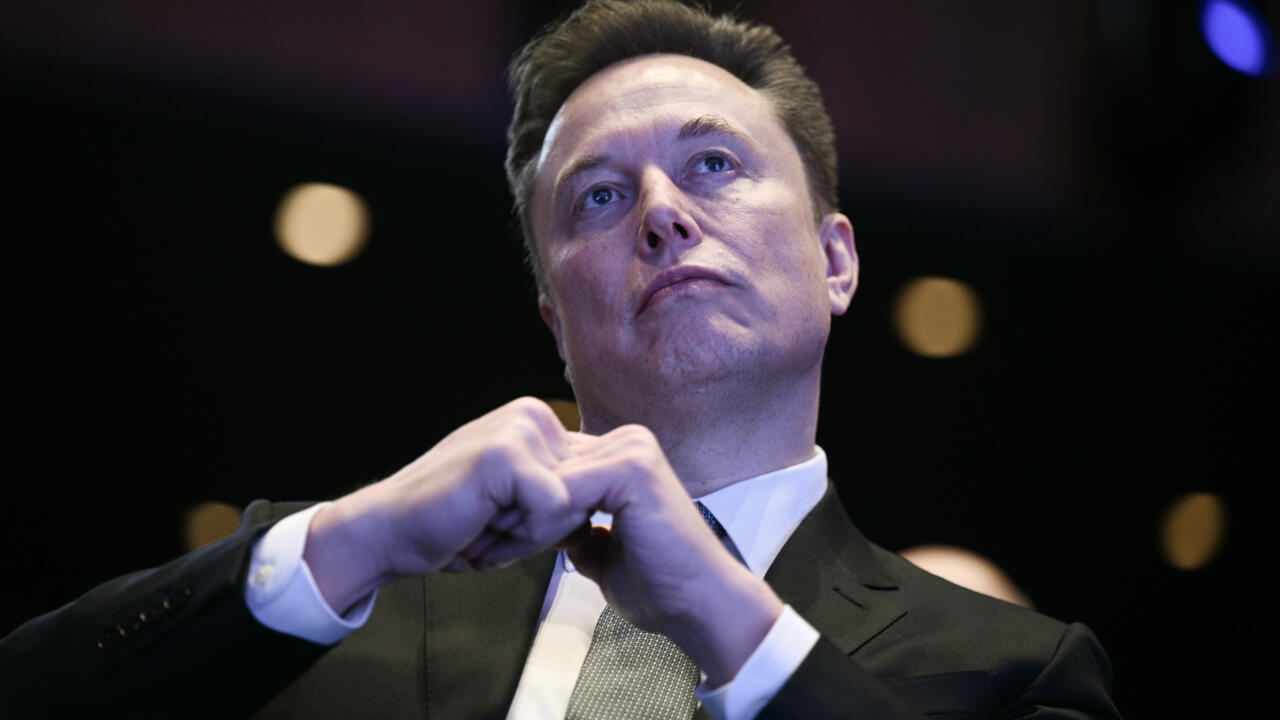
Elon Musk plans to take SpaceX public in what would likely be the largest IPO ever, potentially raising more than $30 billion and valuing the company up to $1.5 trillion—opening liquidity for existing shareholders (including backers such as Alphabet) and broadening access to retail and institutional capital. The listing would finance capital‑intensive priorities like Starship development, Starlink expansion and proposed space‑based AI data centers amid a booming space industry (worth $630 billion in 2023 and forecast to triple by 2035), but it also brings greater transparency and profit pressures that could temper SpaceX’s risk‑tolerant, rapid‑iteration engineering approach.
Elon Musk plans to take SpaceX public in what industry sources and PitchBook/Bloomberg expect could raise more than $30 billion and value the company up to $1.5 trillion, which would make it the largest IPO in history and materially broaden the investor base for a firm owned by Musk, investment funds and strategic backers such as Alphabet. The listing would convert substantial private liquidity—far exceeding the roughly $10 billion SpaceX has raised privately to date—into public capital and provide an easier path for existing shareholders to monetize stakes.
Proceeds are intended to underwrite capital‑intensive priorities: completing and scaling Starship, expanding Starlink (the largest satellite constellation) and pursuing space‑based AI data centers; this comes amid a sector backdrop McKinsey/WEF peg at $630 billion in 2023 and forecast to triple by 2035. SpaceX’s market dominance in reusable launch capability and Starlink gives it unique upside, which commentators describe as a "black swan" event unlikely to have many direct parallels.
Going public will also impose greater transparency and profit pressures that could temper the company’s rapid, risk‑tolerant engineering approach—an outcome flagged by Cornell’s Mason Peck—though some experts (CSIS’s Clayton Swope) believe investors will tolerate the long‑term vision. Regulatory moves easing commercial launch rules are a near‑term positive, but execution risk, governance scrutiny and valuation justify close review of filings and stated use of proceeds before committing capital.
AI-powered research, real-time alerts, and portfolio analytics for institutional investors.
Request DemoOverall Sentiment
strongly positive
Sentiment Score
0.70
