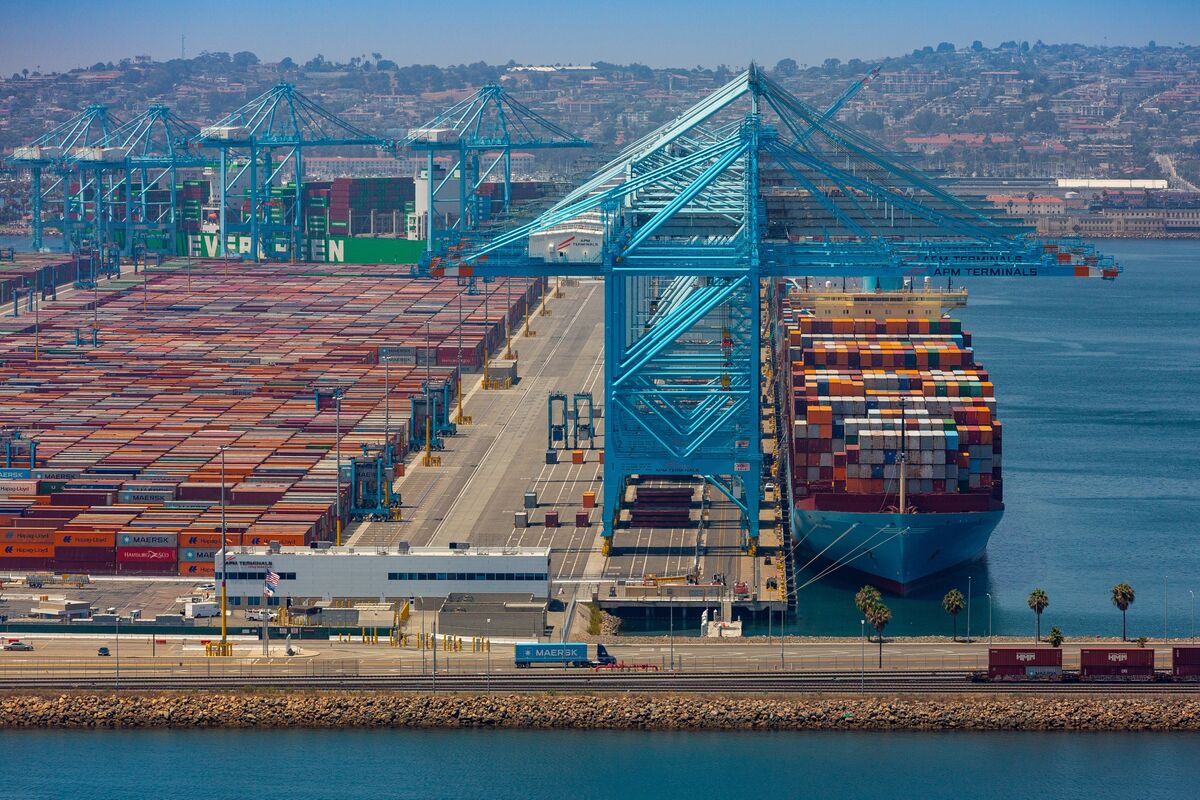
President Trump's new tariffs on nearly all U.S. trading partners officially took effect Thursday, marking a significant escalation in his administration's push to reshape global trade. This implementation, following months of prior threats, poses a fresh test for the global economy.
The implementation of sweeping new tariffs by the Trump administration on nearly all U.S. trading partners marks a significant escalation in global trade friction. This move, which follows a period described as one of 'chaotic threats and reversals,' transitions from policy uncertainty to a concrete negative catalyst for the global economy. The event's high market impact score of 0.75 and strongly negative sentiment score of -0.75 underscore the market's perception of this as a material headwind. The official implementation of these levies introduces direct costs and operational complexities for companies reliant on international supply chains, posing a tangible test to global economic stability and corporate earnings outlooks. The prevailing 'uncertain' tone reflects the significant unknown regarding the scope and severity of retaliatory measures from affected nations.
AI-powered research, real-time alerts, and portfolio analytics for institutional investors.
Request DemoOverall Sentiment
strongly negative
Sentiment Score
-0.75
