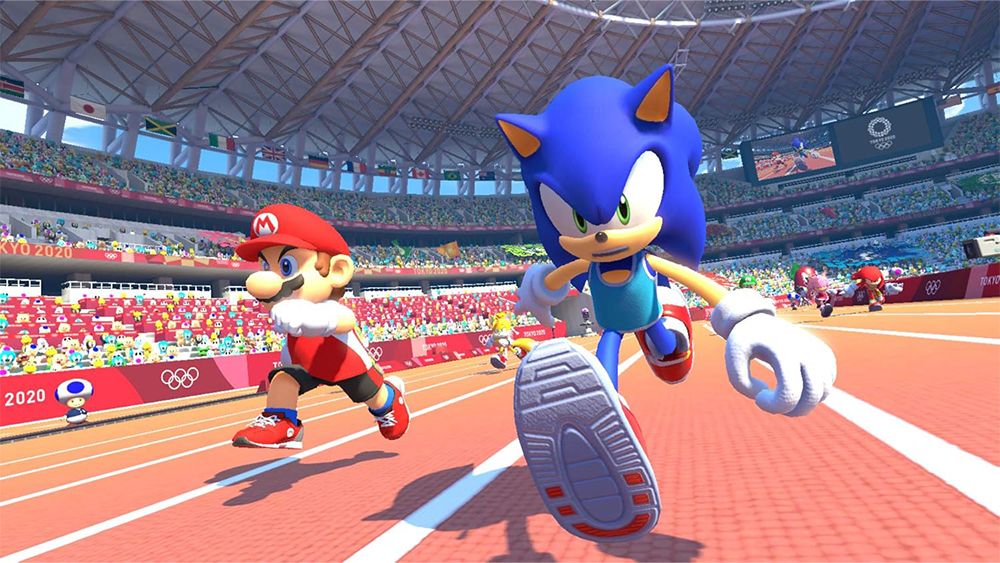
Former SEGA producer Hasegawa Ryoichi recounted that for the 2007 Mario & Sonic at the Olympic Games collaboration Nintendo mandated that Mario must win every race in released videos and that Sonic be depicted behind Mario in all promotional artwork, forcing Sega to modify assets. The account illustrates Nintendo's stringent IP and brand-control practices that can add friction and revision costs to co-branded projects; however, the anecdote is operational and reputational in nature and unlikely to have material financial impact on Nintendo or Sega.
Market structure: Nintendo’s aggressive IP control is a defensive moat signal — beneficiaries are IP-heavy incumbents (Nintendo NTDOY, Sony 6758.T) that preserve pricing power and franchise scarcity; licensors that rely on broad co-branding or merchandising may see margin pressure. This is a low-immediacy, high-quality moat — expect relative re-rating of 5–15% over 6–18 months for firms that monetize franchises tightly, minimal direct macro impact on FX or sovereign bonds but modest support for JPY if Japan gaming earnings surprise upward.
Risk assessment: Tail risks include antitrust/licensing litigation or a partner boycott that suppresses near-term sales (low probability, high impact) and a negative hardware-cycle shock if Switch 2 softens; immediate effect = immaterial (days), short-term (1–6 months) could alter guidance, long-term (1–3 years) strengthens lifetime monetization. Hidden dependency: earnings hinge on content cadence and console install base; catalyst events are Nintendo investor day, major title launch, or a licensing dispute filing.
Trade implications: Tactical trades favor long, concentrated exposure to Nintendo IP value retention: use limited-cost option structures to express upside while protecting capital. Pair trades: go long Japan IP-heavy names and hedge with short positions in US ad/transaction-heavy game developers (e.g., long NTDOY vs short EA) to capture divergent monetization models; rotate into Japanese gaming over next 3–12 months.
Contrarian angles: The market will likely underprice the cumulative long-term benefit of strict IP governance because anecdotes don’t register as fundamentals; similar to Disney’s disciplined franchising post-2000s, tight control can deliver outsized LTV gains. Unintended consequence: overly strict rules can reduce short-run merchandising revenue — creating a temporary window to buy embattled collaborators (small-cap licensors) before durable value accrues.
AI-powered research, real-time alerts, and portfolio analytics for institutional investors.
Request DemoOverall Sentiment
neutral
Sentiment Score
0.00
